
Shrouds: those cocoons that finally show the bodies
"We cannot live without the names of those killed," says Paola Caridi, journalist and Middle East expert claiming the need to name all those killed in Gaza, to whom she has dedicated a modern elegy

6' min read
6' min read
Three books in three years. The urgency to explain, to narrate, to give voice, to restore historical and human depth to the Israeli-Palestinian question while the counter of the dead keeps turning. We meet her at Festivaletteratura, in Mantua, Paola Caridi, journalist and expert on contemporary political history of the Arab world, of the Middle East, where she moved in 2001, first to Cairo and then to Jerusalem. The phone does not stop shaking, the agenda is full, and the feeling is still not to do enough. In 2023, she reissued an updated version of Hamas, a 2009 essay that has now become Hamas. From Resistance to Regime, which starts from the foundation to the 7 October attacks and tries to explain why it gained so much acceptance in Palestinian society. Then in 2024 came out The Mulberry Tree of Jerusalem, 'the history of the Mediterranean and the Middle East told through trees. A manifesto of political botany'. And finally these days Sudari. Elegia per Gaza (all published by Feltrinelli), a sort of funeral chant, a torrent of words that starts from white 'cocoons' and envelops the reader, holding together the facts, thoughts, experiences, emotions, of the author and of many other people: victims, other writers, activists, friends, those who have let themselves be crossed by what is happening. A historical, political, aesthetic reflection and also a heartfelt appeal.
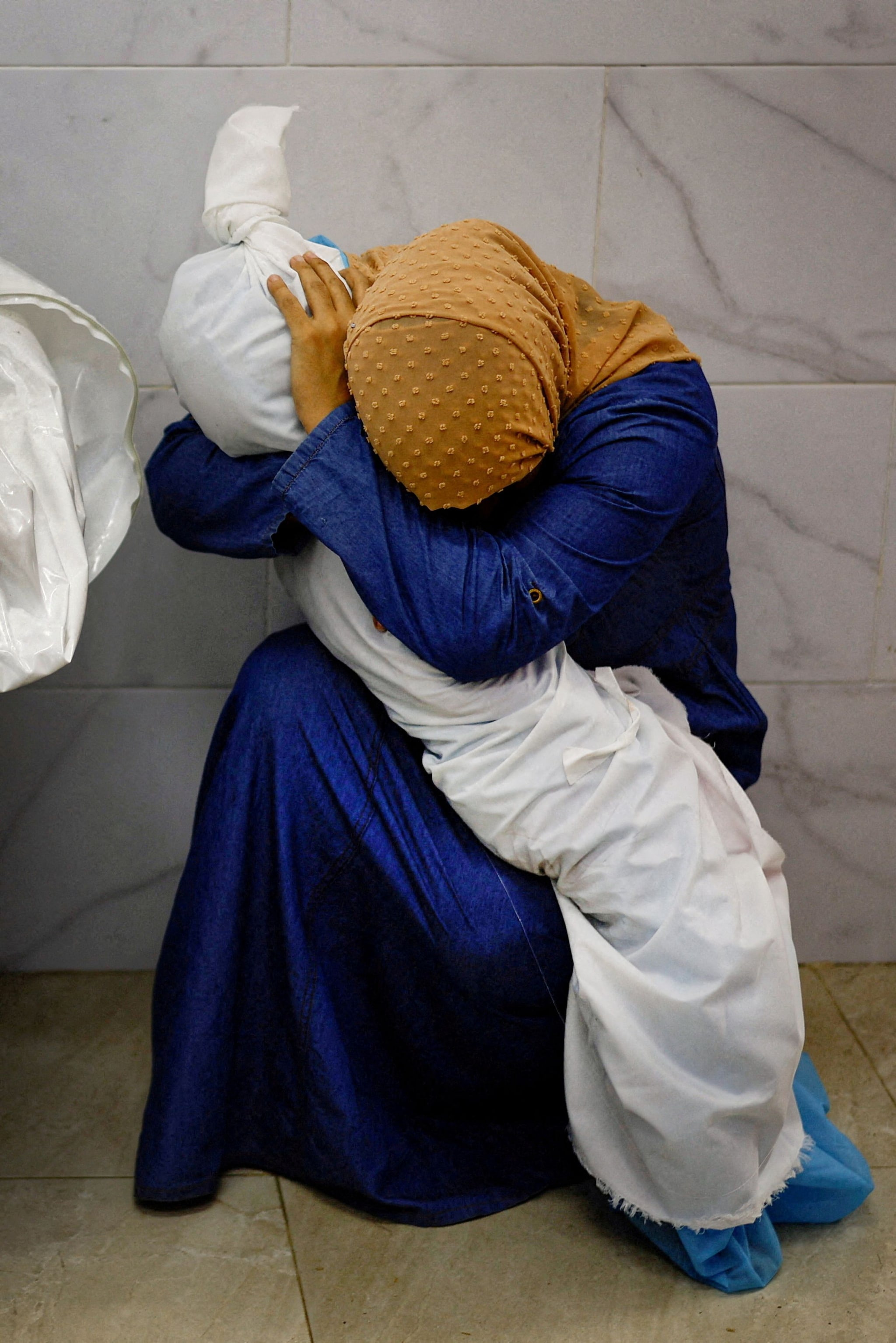
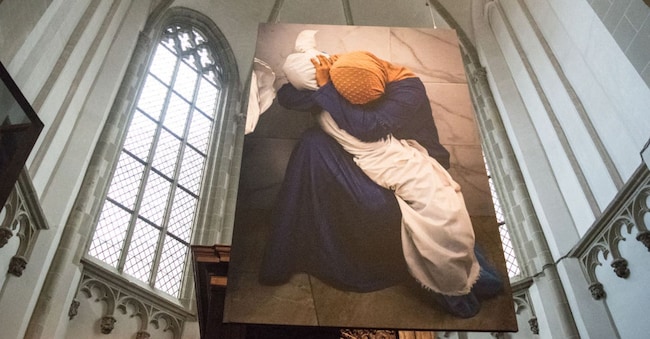
When I saw the title of your book, Sudari, I immediately thought of a photo of Gaza that has remained in my mind's eye, the one by Mohamed Salem that won the 2024 World press photo. A woman wrapped in a veil whose face, which cannot be seen, rests on another veil, which hides and contains a slimmer body, which we know is that of her granddaughter. The mother of this no longer five-year-old child died with her. There are two shrouds on that photo, which I later found out you talk about in the second chapter. Why did you decide to dedicate a book to the shrouds?
They suggested it to me, they made me realise its importance, Palestinian photographers from Gaza like Salem, but not only him. Photographers who flooded our virtual Gaza scene with those very white spots. And so, by hiding them, they showed the bodies. The symbol of the genocides are the shrouds because they do not conceal the bodies, but exalt them. The shroud speaks of us, of not having saved them when they were alive, of only discovering them once they were killed and wrapped.
In your conversation with Adania Shibli here at Festivaletteratura, you pointed out that in her books people have no names. 'If people who are killed can have no name, then everyone can have no name, even my characters,' you replied. You, on the other hand, claim the need to give a name, can you explain why?
I claim it here as an Italian, European and Westerner (although there is a dimension of mine that I would call Mediterranean). As Omar El Akkad writes in his book Un giorno tutti diranno di essere stati contro (Gramma, Feltrinelli), we all know the names of those killed in the Twin Towers attack, while we do not know the names, not least because of an automatic racism, not only of those killed in Gaza but of those we consider not like us, of those killed in Sudan, in Myanmar, in places we do not consider to be our own. So the name is important for this reason, for those who look from the West to Gaza. At the same time I understand Shibli's point of view, I understand it deeply. It is exactly the mirroring of my position. Not to give a name is to make humanity universal.


