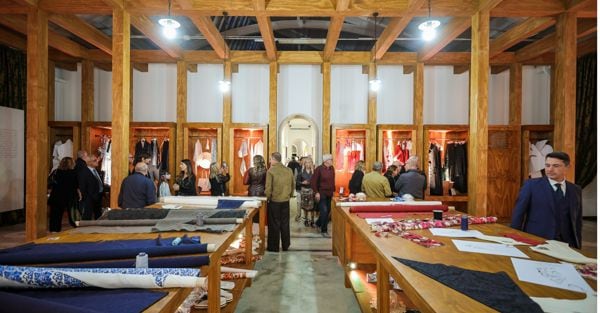
Silk, work and rights: the Heritage project brings the vision of San Leucio back to life
The innovative philosophy of the Leucian Code is revived in the vision of Giuseppe Menniti, the entrepreneur who aims to revitalise the Bourbon site, its manufactory and its legacy

There are stories that give rise not only to products, but to visions. This happened as long as 250 years ago, when, on the hills just outside Caserta, King Ferdinand IV and Queen Maria Carolina founded the Real Sito di San Leucio – a village dedicated to silk production, but also a pioneering social experiment. Long before the Universal Declaration of Human Rights – adopted by the UN on 10 December 1948 – and even a few months before the Declaration of the Rights of Man and of the Citizen, which emerged from the French Revolution, in 1789 the Leucian Code, which regulated the lives and work of the workers at the Bourbon site, established and guaranteed gender equality, social security, healthcare and education.
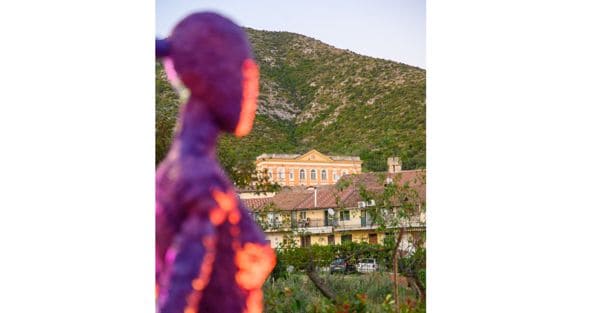
Although recognised as a UNESCO World Heritage Site since 1997, the passage of time had dimmed the splendour of San Leucio, drastically reducing the output of its workshops. A history, a heritage and a product that an entrepreneur from Campania has decided not only to protect, but also to breathe new life into. Giuseppe Menniti, former manager of Harmont & Blaine and CEO of the menswear brand Barbuti, took over the building of the former Opificio De Negri in San Leucio, which had been abandoned for around 10 years, and transformed it into a manufacturing hub, in the same spirit as two and a half centuries ago, launching a collection of silk clothing and accessories and, at the same time, a vision.
“My aim was to create a product that was true to the history we were inheriting,” he explains. “And the reactions to the launch on 16 October were enthusiastic. Now comes the next stage: bringing it to the public. We don’t want to target the usual high-street shopping destinations; that’s not the channel we’re interested in. Instead, we want to reach a community that recognises and appreciates what this project stands for, and so we’ll be using cultural channels. I don’t like the word ‘luxury’, but I’m certain that its future lies in a closer and more authentic connection with culture.”

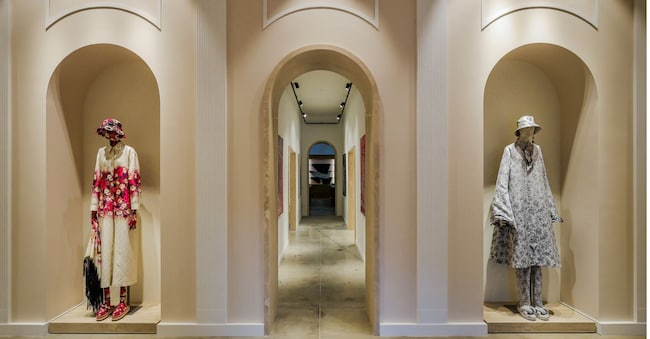
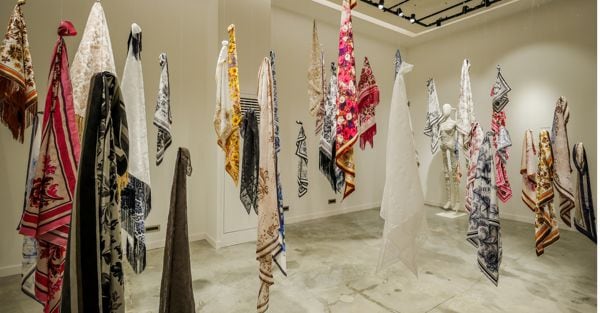
The collection, designed by Stefano Chiassai, showcases the motifs and colour palette of the late 18th century, drawing inspiration from the ‘fichu’, a scarf that was emblematic of San Leucio’s craftsmanship: ‘Everything is handmade in Italia, using Italian fabrics; one of our objectives is also to revive the supply chain in San Leucio,’ adds Menniti. We are currently finalising the prices; the mark-ups will be very low – uncharacteristic of this sector – to make the product more accessible, as it is a niche item not because of its price, but because of its identity. We will be exhibiting the collection in two atelier spaces next to the workshop, because I would like interested people to come and visit us and experience San Leucio.”
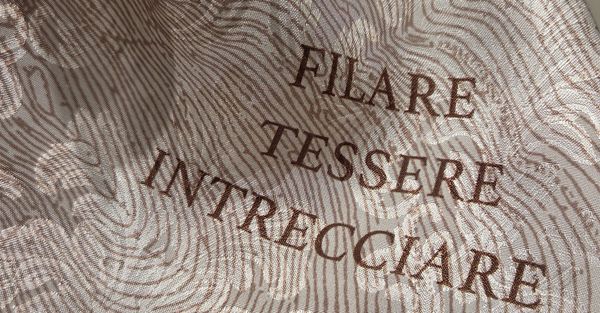
The name of the collection – HERitage, where the feminine pronoun emphasises the term meaning ‘heritage’ – offers a further clue to the project’s aims: in the Codex Leucianus, as mentioned, women were granted the same rights as men, from equal pay to education. A vision that inspired a celebratory sonnet composed by another prominent intellectual of the time and of the Court of Naples, Eleonora Pimentel Fonseca.