Defence

GCAP, the sixth-generation fighter, presents the bill: the budget allocates over 47 million over two years

This is an international collaboration programme aimed at developing a new-generation aircraft system by 2035

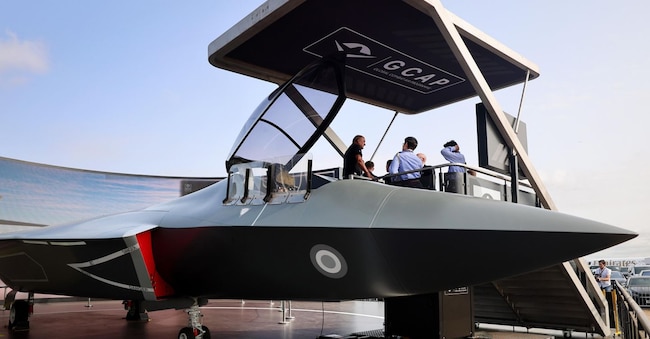
Un prototipo del Gcap, il caccia di sesta geneazione  EPA

2' min read

Translated by AI
Versione italiana

2' min read

Translated by AI
Versione italiana

The GCAP, the sixth-generation fighter jet that Italia is to develop alongside Japan and the United Kingdom, reveals the figures: the budget is set to place a greater burden on public finances than currently anticipated. This amounts to 32.3 million for 2027 and 15.5 for 2028, totalling over 47 million over two years. This is an international collaboration programme aimed at developing a new-generation aircraft system by 2035.

As clarified in the technical report accompanying the draft Budget Bill, the additional costs stem from unforeseen developments in GIGO’s administrative budget, which are broken down into the three main expenditure categories set out in the organisation’s Financial Rules.

Loading...

GIGO (an acronym for GCAP International Government Organisation) is the international governmental organisation established to manage, coordinate and oversee the GCAP (Global Combat Air Programme).

Staff remuneration

The increase from £42.8 million to £65.7 million (+54 per cent) reflects the expansion of GIGO’s workforce from 180 to 300 staff, the adjustment to the rate of inflation recorded in the UK (estimated at between 1.5% and 1.8% per annum) and the inclusion of location-related allowances (social security, healthcare and education costs) payable to staff.

Other operating payments

The increase from £6.9 million to £14.9 million (+116 per cent) is linked to the outsourcing of specialist services that cannot be deferred (cyber security, IT management, legal advice) required during the start-up phase, as well as a 5 per cent ‘contingency’ provision.

Charges on capital

The increase from £22.7 million to £32.4 million (+43 per cent) is attributable to the logistics management of three buildings and the ‘recoupment’ mechanism for costs advanced by the UK Ministry of Defence.

Overall – as further clarified in the technical report – the Administrative Budget for FY 2026 (the period from 1 April 2026 to 31 March 2027) amounts to 113,100,000 pounds, with the Italian contribution (33 per cent) amounting to £37,700,000, equivalent to €43,350,000, assuming a conservative sterling-euro exchange rate of 1.15 (1£ = 1.15€).

This gives rise to the need to adjust the expenditure forecast. The amount forecast for 2027 is required to offset the misalignment with effect from 1 January 2027, providing for a sum (€16,313,360) to bridge the shortfall relating to the 2026 financial year and a sum (€16,025,360) required to offset the future shortfall, estimated on the basis of the programme requirements outlined by the Steering Committee on 27 October 2025 and assuming a conservative sterling-euro exchange rate of 1.15 (1£ = 1.15€).

The conclusion

The conclusion, therefore, is as follows: ‘Any unforeseeable fluctuations in the aforementioned exchange rate, arising from unforeseeable developments in the international situation and resulting in an appreciation of the pound, will necessitate a further adjustment to the expenditure authorisation, should such fluctuations not be absorbable in the short term’.

Copyright reserved ©
Loading...

Brand connect

Loading...

Newsletter

Notizie e approfondimenti sugli avvenimenti politici, economici e finanziari.

Iscriviti