
The Smagulov collection and the curatorship of Inga Lāce for the opening of the Almaty Museum of Arts
In this interview, she anticipates the inaugural group exhibition entitled 'Qonaqtar', 'guests' in Kazakh and the founder's acquisition policies

4' min read
4' min read
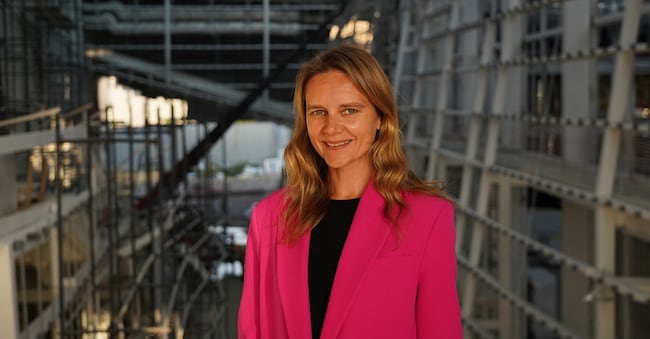
Inga Lāce was appointed chief curator of the Almaty Museum of Arts after extensive experience at the Latvian Centre for Contemporary Art (LCCA) in Riga as well as being associate curator at the art centre de Appel in Amsterdam (2015-2016) and curating the seventh, eighth and ninth editions of the contemporary art festival SURVIVAL KIT (2015-2017). At the next edition of the Venice Biennale (the 61st) she will curate the Latvian Pavilion together with Adomas Narkevičius, a role she has already held in 2019 together with artist Daiga Grantina (in collaboration with Valentinas Klimašauskas).
In this interview, Inga Lāce presents part of the collection of the founder of the Almaty Art Museum, Nurlan Smagulov, and her curatorial approach for the inaugural group show entitled 'Qonaqtar', which means 'guests' in Kazakh.
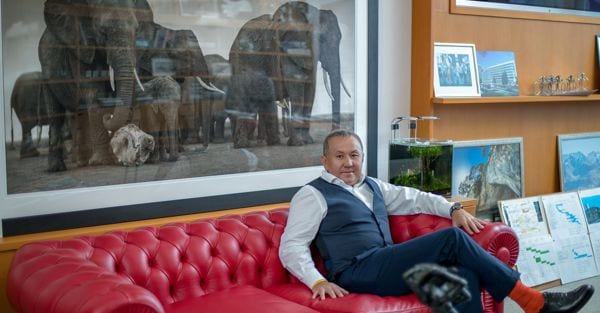
How did you balance the curatorial intent with the founder's collection? The collection exists thanks to Nurlan Smagulov's 30 years of visionary collecting, so the dialogue and collaboration with him was very important. Together with the artistic director, Meruyert Kaliyeva, we presented the founder with the theme and the preliminary selection of works, opening a space for his reflection. Each work in the collection has a history, that of the artist, his role in art history, and the personal history of the founder. In 'Qonaqtar' these stories are closely overlapping. My curatorial goal, shaped by the themes of hospitality and migration in the region, and the founder's desire to open the doors to the guests of this new museum and celebrate together, also coexist in the exhibition.
What kind of world and Central Asian vision emerges from the collection? Nurlan Smagulov's collecting journey began about thirty years ago with the acquisitions of his contemporaries, with early works by artists such as Almagul Menlibayeva, Askar Yesdauletov and the sculptures of Eduard Kazaryan. Over time, his collection has expanded to include earlier periods of Kazakh art, particularly the so-called 'Sixtiers' generation, often considered the golden age of Kazakh art, as well as international artists. What emerges from the collection is complexity and nuance. We move from the joy and affirmation of Kazakhstan to the darker sides of the region's history, to silence, but also to quiet resistance to the Soviet regime. There are echoes of nomadic craftsmanship, Soviet visuality, Islamic aesthetics and contemporary conceptual practices, all layered and overlapping. I am particularly attracted to the way nomadic culture is re-imagined not only as tradition, but as a contemporary lens.
How does the collection reflect - or perhaps challenge - canonical narratives about Central Asian art?
The canonical period of the Sixtiers is present, as are the transgressive voices of the 1990s. But the collection also includes artists such as the wood sculptor Buryat Serenjab Baldano, whose masks offer a unique and spiritual worldview, and the textile artist Alibay Bapanov, whose work insists that craft practices should be treated as an integral part of local art histories rather than peripheral. I think it is this mix of modern and contemporary, canonical and counter-canonical that makes the collection both fundamental and critical. For instance, there is a series of works on the local poet and warrior Makhambet, by the graphic artist Maktym Kisamedinov, which can be considered emancipatory, if not outright decolonial, in the context of the 1970s when they were created. One lithograph in this series, 'Juta (Famine)' (1973), refers directly to the Asharshylyk, the famine that killed more than 40% of Kazakhstan's ethnic population in the 1930s and was not openly addressed at the time. The collection also includes significant works by the first officially recognised Kazakh artist, Aisha Galymbayeva. I hope, however, that many other interesting aspects will emerge from future re-readings of the collection.

