
The sparkling, unobtainable Easter eggs of the Tsars
There are less than 50 authentic Fabergé pieces of collector's value in the world. About half of those in circulation are counterfeits; when one deemed lost turns up, the prices become stellar

3' min read
3' min read
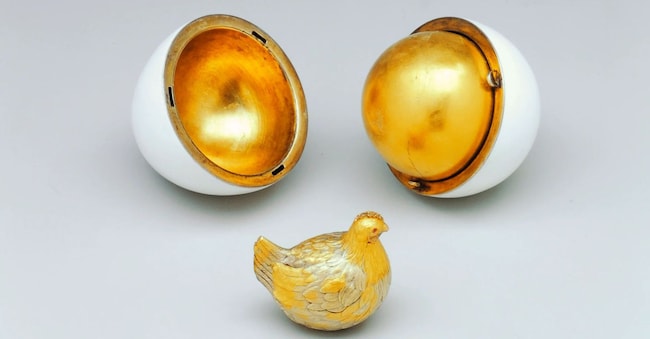
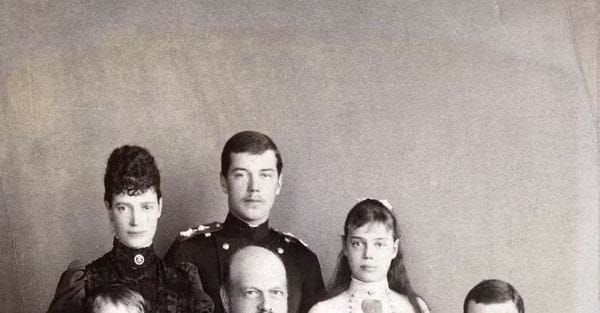
Rare, extremely rare, almost unobtainable: these are the Fabergé eggs, Easter trinkets that combine the sophisticated craftsmanship of fine jewellery with the astonishment typical of wunderkammer objects. They were officially born in 1885, when Tzar Alexander III of Russia commissioned Peter Carl Fabergé - owner of the eponymous jewellery shop he inherited from his father - and his brother Agathon to create an Easter egg (i.e. with a surprise) for his wife Marija Fyoderovna. This very first 'chicken egg', made of solid gold, was covered in opaque white enamel and perfectly suited the Romanov taste for unbridled luxury. It opened with a snap, revealing a matte yellow gold yolk inside, which in turn contained a gold hen with ruby eyes. The bird enclosed two jewels with diamonds and rubies: a chain and a crown, which have since been lost. Ça va sans dire that the gift left the tsarina ecstatic and from then on it became an Easter custom for her and the emperor's mother to receive an egg each.
Production from 1885 to 1916
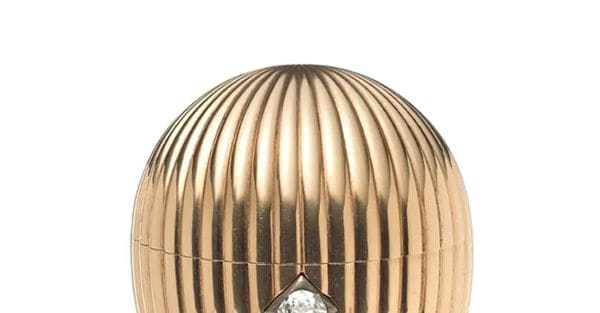
.The Fabergé jewellery house (founded in St. Petersburg by Gustav Fabergé in 1842) continues to produce the iconic eggs of its success to this day. However, for collectors' purposes, only the original ones are relevant, all created over a period of thirty years, from 1885 to the eve of the October Revolution. "The original Fabergé eggs are now all inaccessible: they are in the hands of private collectors or part of some prestigious museum collections. The later ones, although very beautiful, are something else. The 'real' Fabergé eggs always boast an exceptional provenance, as they all belonged to the Tsars of Russia,' says Luca Ghirondi, director of the jewellery department at Il Ponte Casa d'Aste. Their number is therefore fixed. Moreover, of the 50 imperials produced in the period 1885-1916, not all have survived to the present day. Some, like the 'second imperial egg', have been lost. Or perhaps they have not yet been rediscovered: just think of the fortunate case of the 'third egg', which ended up in the hands of a scrap metal dealer in the Midwest, USA. It was 2014. The man had bought it in an antique shop for $14,000, with the intention of melting the gold and recovering the precious stones. Then he had the presence of mind to turn to a specialist, Wartski (a historic London jewellery shop specialising in the study and appraisal of Peter Carl Fabergé's work). The rest is history: Wartski immediately purchased the 'third egg' on behalf of a client for the sum of $33 million. Ghirondi adds: 'Eggs after the imperial period do not have the same prestige, even though they may be of excellent quality.
Later production and fakes
.Furthermore, 'Fakes are just around the corner. In the last 20 years of my work, of the eggs I have come across, half were fakes. Fabergé, like Bulgari now, pays the price for counterfeits. Many of those who had worked for Fabergé went on to produce similar artefacts, but on a historical and collector's level we can only consider the imperial eggs dating from 1885 to 1916 to be authentic'. How to recognise a fake? The expert answers: 'They may be perfect eggs, made from the same precious materials as the historic ones, but from small details, sometimes infinitesimal, you can tell that they are not authentic'.
Quotations
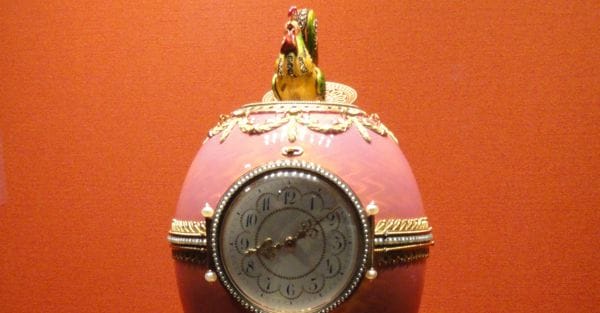
.Hermitage and museums aside, today's most passionate collectors of Fabergé eggs reside in Switzerland, London and the Orient. Some sources count more than 50 when citing eggs produced in the 'authentic' period. These are not necessarily mistakes: they were also commissioned by other families with equally 'imperial' wealth, such as the Rothschilds. And it was precisely to the Rothschilds that the last most expensive Fabergé egg at public auction belonged, a particular model in pink enamel, with an external clock: in 2007 it fetched £8.9 million at Christie's. Five years earlier, in 2002, "The Winter Egg", also at Christie's, changed hands for £6.6 million.

