Digital Economy

The temptations of venture capital: the Musk and Kennedy models

Fear and extreme dreams: this is what capitalism has learnt to thrive on. Now we need to work out who bears the costs

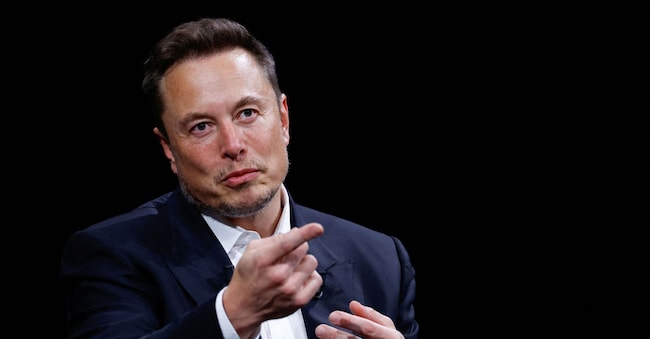
 Elon Musk (REUTERS/Gonzalo Fuentes)

3' min read

Translated by AI
Versione italiana

3' min read

Translated by AI
Versione italiana

Fear and extreme dreams – this is what the new capitalism has learnt to thrive on. Soon, during the most favourable launch window of the decade, SpaceX will attempt to send up to five unmanned Starships to Mars, with a probability of success that Musk himself describes as being the same as flipping a coin and getting heads.

‘The Sun,’ he says, ‘will sooner or later incinerate the Earth: that is why Mars is a life insurance policy for life as a whole.’ With the same pitch – the fear of extinction and the promise of salvation – the major artificial intelligence companies are seeking investment by raising the spectre of existential risks and promising to cure diseases and eradicate poverty.

Loading...

Investors and moonshot bets

It is the very same language that venture capitalists are rediscovering, chasing SpaceX-style returns, just as artificial intelligence is eroding the margins of the lightweight software that has made their fortunes over the past decade. A few days ago, the Financial Times described investors’ return to ‘moonshot’ ventures – extremely risky and capital-intensive: space agriculture, nuclear fusion, human-machine interfaces. Even excluding the AI sector, there will be 150 billion in investment in ‘deep tech’ companies from 2024 onwards alone – more than the 133 billion invested over the entire previous decade.

From a certain point of view, this return by venture capital to big bets and high-risk ventures is welcome, as it brings to an end a somewhat sluggish and exploitative financial period. But there is a serious problem.

Kennedy-Musk: same rhetoric, different models

John F. Kennedy, too, in his famous 1962 speech calling on Congress to fund the race to the Moon, combined fear, geopolitics, the Cold War and an extraordinary dream. ‘We have new knowledge to gain, new rights to win; we are going to the Moon not because it is easy, but because it is difficult,’ he said. Meanwhile, he evoked the Soviet threat and spoke of Gagarin.

The rhetoric of that time and that of today are very similar, but the substance behind the narrative is radically different. What has changed is who holds the rights to fear and to dreams and, above all, to whom the dividends of fear and dreams belong.

Kennedy was asking American taxpayers, via Congress, to fund a public agency – NASA – to counter a specific geopolitical rival within a certain timeframe. Yet the language chosen was deliberately universal; knowledge and rights were for everyone. The response to fear and the realisation of the dream were entrusted to NASA, which was accountable to Congress; the costs were justified by shared benefits. Fear and the dream were subject to collective deliberation before being transformed into returns, which were, moreover, also collective.

‘Mars is life insurance’ is neither an appeal to the human race nor a universal invocation. It is an investor relations exercise; it is the phrase that lends plausibility to SpaceX’s valuations, which are completely out of control. The risk is that what the Financial Times calls a ‘moonshot’ will become the buzzword used to justify valuations built on narrative rather than market discipline.

Regardless of which of the two ‘moonshots’ is more genuine, the central issue is who controls the capital and who is accountable for it: a public mandate renewable at every election, or a private narrative that is renewed with every round of funding.

Who pays the costs?

These same two approaches are now vying for funding for truly urgent missions – global warming, public health and resilient infrastructure – which, like space exploration, are characterised by a long-term horizon and high technological risk. If the Kennedy model prevails, those costs are debated democratically and measured in terms of their collective benefits. If the Musk model prevails, they are pitched to investors and measured in terms of market capitalisation. Understanding which model venture capital will be guided by matters more than determining whether Kennedy or Musk truly believed in what they promised.

Copyright reserved ©
Loading...
Loading...

Brand connect

Loading...

Newsletter

Notizie e approfondimenti sugli avvenimenti politici, economici e finanziari.

Iscriviti