
The rise of thematic ETFs: a mix of successes and a few flops
Almost 300 instruments issued over 10 years – Beware of delisting

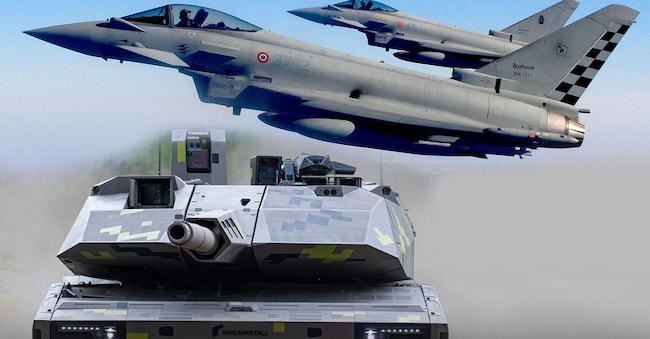
The surge in the performance of semiconductor shares, driven by artificial intelligence, and defence shares, following the war in Ukraine, has rewarded investors who have backed thematic ETFs. However, whilst some bets have paid off, others have proved bitter disappointments.
Over the last 10 years, 293 thematic passive investment products have been launched in Europe, the majority of which are also listed on the Milan Stock Exchange. Of these, as many as 31 have been wound up and 13 merged into other products. The proportion of closures exceeds 10 per cent, which is a significant figure.
The analysis
A detailed analysis carried out by JustEtf highlights the trends: cannabis, the metaverse, cloud computing and e-commerce are the sectors with the highest failure rates, and they are all sectors that had previously enjoyed a period of intense media attention. The peak in new ETF launches was recorded in 2022 with 65 launches, whilst in 2026 the figure currently stands at 35. This year, among the most popular new themes are electrification – linked to the boom in data centres – and aerospace, thanks to SpaceX’s listing.
Thematic ETFs often come onto the market when the theme is already the talk of the town. “The figures from this analysis suggest that the risk,” comments Lorenzo Demaria, justEtf’s country manager for Italia, “is that, a few years later, you’ll find yourself with a fund that no longer exists. One in four does not survive for seven years. Thematic ETFs fail because they remain small. The funds that were liquidated had, on average, just over two million euros in assets. Below 50 million euros, you are statistically in the danger zone. The median age at liquidation is two and a half years: this is precisely the point at which the issuer takes stock and decides whether the fund has a future or not.”
Broadcasters
This is the issue closest to the hearts of fund managers. “To make the product sustainable,” emphasises Giancarlo Sandrin, Head of Wholesale Europe at L&G, “it is essential to attract capital; below a certain asset size threshold, in fact, the fund would have to be closed. Profitability on ETFs is falling, even though thematic ETFs have a TER higher than traditional benchmarks. This also explains the boom in active ETFs, where margins can be slightly higher. In the past, we have closed two thematic ETFs: one with a multi-thematic basket, which diversified across several themes but had lost the interest of the general public; and a second example in the field of photonics and laser technologies, a sector that has grown significantly over time but was perhaps too niche.”


