
The Thermomix gets AI: Cookidoo is the built-in chef’s assistant
Artificial intelligence is making its way into Vorwerk’s food processor. The new Cookidoo Assistant helps you search for and adapt recipes, but the most advanced features will be introduced in future updates

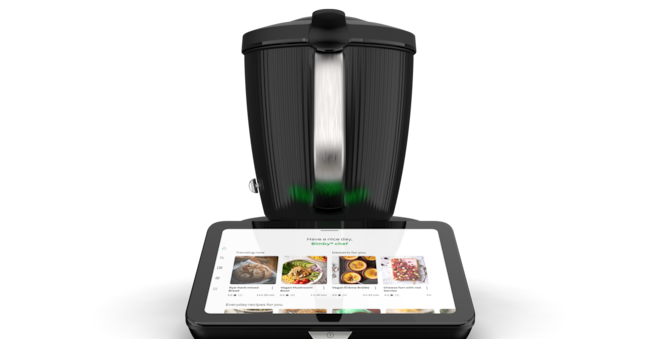
ZURICH – Having already found its way into washing machines, fridges and other household appliances to help manage daily tasks, artificial intelligence is now making its way into the kitchen. And it’s doing so through one of the sector’s most recognisable products: the Thermomix. Cookidoo, the digital platform that supports the use of Vorwerk’s food processor, is introducing a conversational assistant designed to act as a sort of ‘digital sous-chef’, guiding users through the platform’s more than 100,000 recipes. Customers will discover it within the context in which the Thermomix experience has always taken place: in-home demonstrations, the cornerstone of Vorwerk’s direct-sales model, which is set to generate €3.6 billion in turnover by 2025 and operates in over 60 countries.
According to Julius Ganns, Chief Product Officer & Global Head of AI at Vorwerk, the difference compared to simply asking ChatGPT a question lies primarily in the context. ‘The assistant must operate within the Thermomix ecosystem, where recipes have been developed and validated by real people and are already integrated into the guided preparation process.’ The first result is a search function that is closer to natural language. Instead of searching for a recipe using filters and keywords, the user can simply describe what they have in the fridge and how many people they need to cook for. For example: chicken, tomatoes and other ingredients they have at home. The AI can then suggest a recipe and allow the user to gradually refine their query. It is an approach that Ganns describes as ‘intent-based’: you don’t start with the recipe you’re looking for, but with the cook’s intention.

Among the features already up and running is the ‘smart’ recipe translation function, which draws on Vorwerk’s culinary expertise: the names of ingredients, utensils and cooking techniques are used in the same way as a local chef would. For example, Italian tomatoes differ from German ones in terms of size and flavour.
There isn’t just a single chatbot under the bonnet. Ganns explains that the system combines several models: Google Gemini for conversation, alongside smaller models and systems dedicated to ensuring the quality of the responses. The aim is to minimise out-of-context replies, errors and the assistant being used for purposes other than those for which it was designed. On the data front, Vorwerk claims European hosting and GDPR compliance, whilst acknowledging that language processing passes through Google’s European servers, as there are currently no language models trained and hosted entirely on European infrastructure. The system, Ganns points out, also incorporates internal controls that ensure the assistant rejects questions unrelated to cooking.
However, a number of more advanced features will not be included in this first release, although they are already in development. These include a much greater level of personalisation: an assistant that recognises the recipes the user regularly cooks, their preferences and even specific dietary goals.

