
The thousand lives of packaging
From glass to edible packaging: how the container becomes content

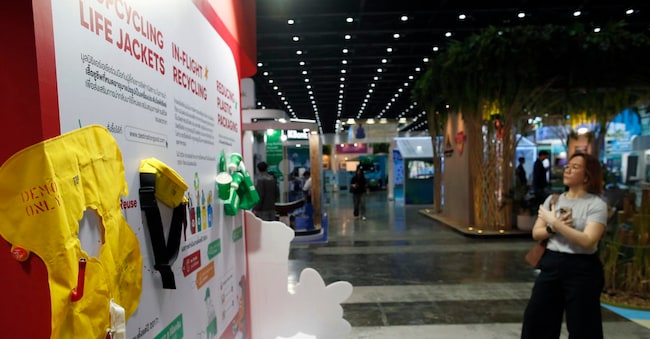
Once upon a time, there was packaging: from being the silent guardian of goods and food, a symbol of modernity and consumption, it has now become one of the protagonists of the ecological transition. From being a simple technology of transport and preservation, packaging has over time become a language, a cultural form, a sign of identity. And precisely because of this, its change tells of something more profound: the way in which societies are learning to live with the limits of the planet.
The white paper The Thousand Lives of Packaging" published by 24ORE Research and Studies in March 2025, starts from afar. From the hands that picked fruits and wrapped them in leaves or natural shells, to the birth of ceramic and metal containers, and then to glass that appeared in ancient Egypt and paper, the first 'flexible packaging'. The latest arrival, plastic, has changed everything: light, cheap, versatile, it has made the globalisation of consumption possible. But also the explosion of waste to be managed.
Now that linear cycle - extract, produce, use, discard - has become unsustainable. A new logic is needed: that of the circular economy. In the white paper, its 'five R's' - reduce, reuse, recycle, regenerate, rot - become the new alphabet of packaging. Reduce, reuse, recycle, regenerate, compost. A change of mentality before the technology, which transforms the end of a product into a new beginning.
Alongside the traditional plastics, which are resistant but polluting, bioplastics derived from corn starch, sugar cane or vegetable oils are being developed; some are compostable, others are designed to be reused several times. Materials from renewable sources and innovative chemical recycling processes are being experimented with, transforming mixed plastics destined for landfill into new raw materials. And examples of 'edible' packaging are multiplying: an idea that comes from afar and has its roots in the Middle Ages, but which today is returning as a symbol of an economy that is inspired by nature.
But there is no such thing as a 'perfect' material. Glass is safe but heavy, paper is biodegradable but unsuitable for high-barrier products, plastic is still indispensable in many cases, but needs to be rethought. The challenge is to combine several solutions: recycling, sustainable design, bioplastics, compostable materials, technological innovation. Not a single path, but a system of intertwined paths.

