
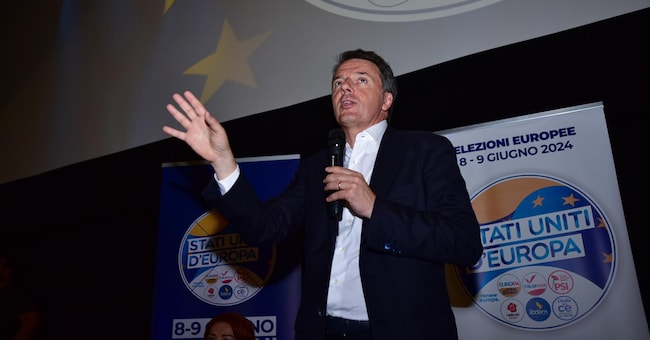
The United States of Europe programme for the European elections
Il Sole 24 Ore summarised the positions of the main parties in the race (which are above or around the 4% threshold in the polls) in six decisive points of their respective programmes

2' min read
2' min read
Political governance
Reform of the European institutions, majority voting, presidents
Eliminating unanimous voting
It is time to get our hands on the founding treaties and take steps towards a United States of Europe, with a government answerable to the European Parliament, a common foreign, defence, fiscal and migration policy and the elimination of unanimous voting. We need the abolition of the right of veto.
Economic Governance
.New rules for the budget, common debt and Eurobonds Common debt necessary
The European budget amounts to only 1% of the sum of national GDPs. We need to reach 5 per cent and have a real fiscal union as a completion of the monetary union. The Recovery Fund has shown that common debt can be done and is affordable for all. The goal is to make it structural.
Common Defence
.Ukraine and the new geopolitical framework: beyond military cooperation
A European Army
The Ukraine must be helped to win the war against the Russian aggressor through new allocations and military supplies. The foundations must be laid for a Europe of Defence, which more effectively promotes the pillar of the Atlantic Alliance also through the creation of a real European army.
Industrial Policy
.Business, competitiveness, energy and environment. Barriers and incentives
Ecocompatible development
Industry and environmental policies must move forward together, the industrial system must be a key player and a driving force in a decarbonisation process that, by combining development and respect for the environment, is able to compete and compete with the USA and China.
Lavoro
Wages and tax wedge, contracts and workers' training, pensions EU unemployment benefit
The goal is a single European labour market, introducing a framework of common rules to overcome national barriers to workers' mobility, recognition of qualifications, access to professions, and even thinking about a European unemployment benefit.

