
The Washington Post reconsiders: it will cover the Milan-Cortina Olympics
The newspaper will send a small team of journalists to cover the Olympics, after informing sports journalists on Friday that it would not be sending a team

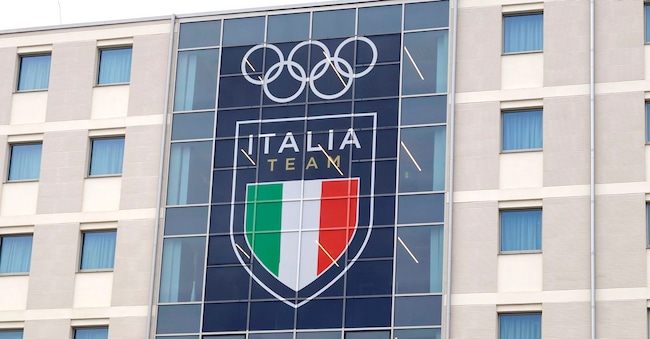
The Washington Post reverses decision on Olympics coverage. The newspaper will send a small team of journalists to cover the Olympics, after informing sports journalists on Friday that this would not be achieved. A decision that The New York Times had relaunched as news-symbol of something bigger: the structural crisis of one of the newspapers that have made the history of American journalism. Difficulties that, despite the change of decision, remain.
The decision, via email
"As we evaluate our priorities for 2026, we have decided not to send a contingent to the Winter Olympics," wrote Kimi Yoshino, editor-in-chief of the Post. Adding, almost as a sideline to a decision already made: 'We are aware that this decision and its timing will be disappointing for many of you'. Translation: the blanket is short, and we are starting to cut from what was untouchable until yesterday.
The timing, indeed. The communication had arrived just before the Milan Cortina Games (which will start on 6 February), when some journalists had already booked trips and transfers. Years of Olympic tradition interrupted by an email. A detail that weighs heavily, not least because the main costs had already been incurred: for accommodation alone, there is talk of at least 80 thousand dollars. The saving, therefore, would have been partial. The signal, instead, is total.
The difficulties
Also because the Olympics are not just sport. They are a great narrative accelerator, a global device of attention, a laboratory of stories. To renounce them is to declare that the problem is not the event, but the model. And it is here that the sporting story merges with the corporate one.
According to rumours that have been bouncing around in the overseas media for a few days, insistent rumours of imminent redundancies have been circulating in the editorial office: more than one hundred jobs, more than 10% of the staff, with cuts that could hit mainly sports, metropolis and foreign. Sectors that do not produce immediate profits but build reputation, authority, depth.


