
There are 172,000 berths in Italia, but only 2 per cent are reserved for superyachts
A study by Confindustria-Deloitte highlights the economic impact of yachting: in 2025, it stood at 5.7 billion euros

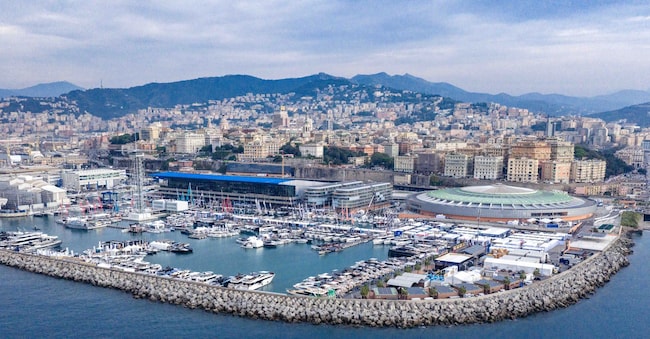
Key points
Only 2 per cent of Italy’s 172,000 berths are allocated to vessels over 24 metres in length, with Liguria and Tuscany accounting for around half of the capacity dedicated to superyachts exceeding that length. This situation could certainly be improved, at a time when the very segment of vessels over 24 metres is driving the yachting industry. Not to mention that it is precisely this category of yachts that ensures the Italian shipbuilding industry’s global leadership in the construction of large pleasure craft. Furthermore, from 2021 to the present, the number of vessels under 10 metres has fallen by an average of 3.7 per cent per year, whilst those between 18 and 24 metres and superyachts have grown by 0.7 per cent and 3.3 per cent respectively.
The figures come from the study Yachting tourism and economic contribution, developed by Confindustria Nautica in collaboration with Deloitte and presented at the Genoa Boat Show. The presentation was attended by, amongst others, the Deputy Minister for Infrastructure and Transport, Edoardo Rixi; Mario Zanetti, Confindustria’s special adviser on the maritime economy; Piero Formenti, president of Confindustria Nautica; and the Governor of Liguria, Marco Bucci. The report highlights that Italia has 790 marina facilities for recreational boating and approximately (as mentioned) 172,000 berths, but has a lower infrastructure density than France and Spain: 7.2 facilities per 100 kilometres of coastline, compared with 9.7 and 7.5 respectively. The South and the islands remain structurally underserved, with fewer than 5 facilities per 100 kilometres, highlighting an uneven geographical distribution of provision.
New moorings under construction
However, the situation is improving, given that, as Roberto Perocchio, president of Assomarinas, pointed out, a further 24,000 new moorings are currently being built across the peninsula (through the construction of new marinas or the expansion of existing ones).
The report states that the global superyacht fleet has reached around 10,900 vessels, with an average annual growth rate of 4.1 per cent since 2018; of these, around 2,200 have sailed along the Italian coastline, and around 93 per cent fly a foreign flag. Of the yachts that have sailed in Italian waters, 1,200 are seasonal and spend an average of 23 days in Italia; the 960 year-round superyachts, on the other hand, spend 193 days in Italia (Liguria being the main hub for these). The study notes that year-round superyachts flying the Italian flag generate annual expenditure five times higher than that of foreign seasonal vessels.
Destinations in Sardinia, Campania and Liguria
The Costa Smeralda and the Gulf of Olbia are the main destinations for seasonal superyachts, followed by Capri, the Gulf of Tigullio and the Amalfi Coast. Liguria has established itself as the main hub for large year-round yachts, in terms of days spent there, on the Riviera dei Fiori, in Genoa and in the Gulf of La Spezia.


