
Post-2027 agricultural policy: EU ministers say, ‘Yes to flexibility, but the CAP must remain a common policy’
First agreement on the future CAP: calls for more funding for young people and aid restricted to ‘genuine farmers’. Decision on the cap on payments postponed

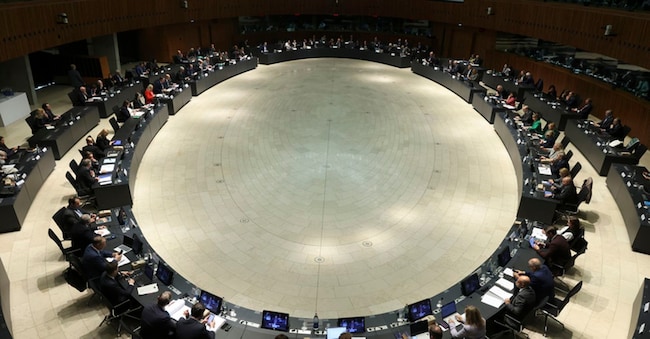
Yes to flexibility for Member States, but only ‘within a coherent and common framework of EU rules, with the aim of simplifying implementation and making agricultural policy more responsive to local circumstances’. Whilst awaiting clarity on future funding – which will, however, have to be decided at other meetings – EU agriculture ministers reached an agreement late yesterday evening at the Council meeting in Luxembourg on their negotiating position regarding the reform of the Common Agricultural Policy post-2027.
The agreement forms the basis for the final negotiations with the Commission and the European Parliament on the texts presented by the EU executive over a year ago (on 16 July 2025), and incorporates much of the content of the proposals whilst, however, calling for – as in the key passage cited – greater assurances regarding the preservation of the CAP’s common character.
On key issues, however, such as the definition of “‘active farmer’ – to whom the 300 billion in direct aid allocated under the proposals for the EU’s next multiannual budget for 2028–34 is to be reserved, which the Council would like to make mandatory to prevent the dispersal of funds ‘and ensure more targeted support’, the agreement leaves it to individual Member States to define who the “genuine” farmers are. On other key issues, such as the degressivity of payments or capping, the cap on premiums for larger farms with a view to redistribution, decisions will be taken at a later stage, as part of the parallel negotiations between finance ministers on the 2028–34 multiannual financial framework.
The agreement reached nevertheless contains important guidelines and sends a signal of support at a critical time for European agriculture. The ministers are calling for greater focus in national plans on generational renewal and support for the establishment of new young farmers, the simplification of environmental restrictions that have so far proved ineffective, and the strengthening of services in rural areas and risk management tools. Of particular importance to Italy, as also emphasised by Minister Lollobrigida at the end of the Council meeting, are the call for a reduction in administrative burdens and the new mechanism to ensure the continuity of the national mutualisation fund for catastrophic events.
“We have worked to safeguard the distinctive nature of the CAP, guarantee adequate income support, ensure greater flexibility for Member States and reduce the administrative burden,” the minister emphasised. Among the main changes introduced are the ability to differentiate income support to benefit other categories of farmers, specific agricultural areas and traditional forms of farming characterised by a greater need for income; a new mechanism to ensure the continuity of the national mutualisation fund for catastrophic events; greater flexibility for Member States regarding coupled aid, support for small farmers and the exclusion of pensioners from income support.”

