
There is not only ChatGpt, how much is the companion app market worth?
Demand continues to grow, especially among young people, causing no little concern
3' min read
3' min read
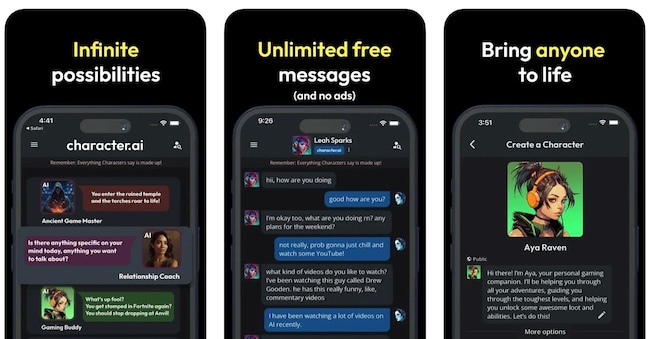
There is not only ChatGpt, Grok and Gemini, 'generalist' artificial intelligence models. In the evolving Ai ecosystem, there is a growing demand for artificial intelligence-based 'companion apps'. These are mobile or web applications that offer continuous interactions with a virtual interlocutor generated by advanced language models. The user can customise the character's appearance, voice and personality traits, which retains memory of conversations to create a sense of continuity.
The growing consumer AI segment includes platforms such as Replika, Character.AI and Anima AI. According to Appfigures estimates reported by TechCrunch magazine, these apps generated more than $82 million in global revenues in the first half of 2025 and are projected to exceed $120 million by year-end, amounting to a niche but expanding share of the $1.87 billion overall generative AI-based app market.
Since the beginning of the year, the segment has generated $221m in consumer spending, up 64% from the same period in 2024. Data shows that the top 10% of AI apps generate 89% of the category's revenue. In addition, about 10% (or 33) of the apps exceeded $1 million in total spend over the lifecycle.
Unlike generic chatbots, AI-based companion apps anthropomorphise interactions with AI, allowing users to converse with personalised characters, including friends, lovers, girlfriends or boyfriends, fantasy characters and more. Appfigures defined the market segment in the same way, describing companion apps as those in which the user can interact with predefined or user-generated synthetic characters designed to embody a real personality.
In May, the chatbot Replika was sanctioned by the Privacy Guarantor with a fine of EUR 5 million for protecting subscribers' personal information. And an investigation is underway that will seek to shed light on how the generative artificial intelligence that underpins the service was trained.


