
Thermal engines, the game of the future of the European car is still open
Critics of the EU's transport decarbonisation strategy question the ban on the sale of combustion engines

2' min read
2' min read
At the end of March last year, the EU Council adopted the regulation on the reduction of CO2 emissions for new cars and vans. After months of heated discussions between the European heads of state, one of the pillars of the Green Deal was thus approved, sanctioning a sales ban from 2035 on new vehicles using climate-neutral fuels. This means a stop to endothermic engines, whether diesel, petrol, hybrids or powered by biofuels;
According to the approved regulation, in 2026 the European Commission will have to assess whether, in view of the technological developments that have taken place, the electric motor will still be the vector considered most suitable for achieving the CO2 emission reduction target. This review could, however, be much more imminent. Just minutes after the end of the European elections, in the wake of their electoral success, the voices of the main detractors of the European transport decarbonisation strategy began to be heard again. This is the case of Manfred Weber, leader of the EPP - the political group with the largest number of seats in the next European Parliament - who called the ban on the internal combustion engine a mistake, to be reconsidered as soon as possible.
A position that mirrors that of the main national party among the European Populars, the German CDU, which at the end of May launched a website called 'Yes to the Car', where users can indicate whether they are in favour of revising the 2035 deadline for the sale of new petrol- or diesel-powered cars;
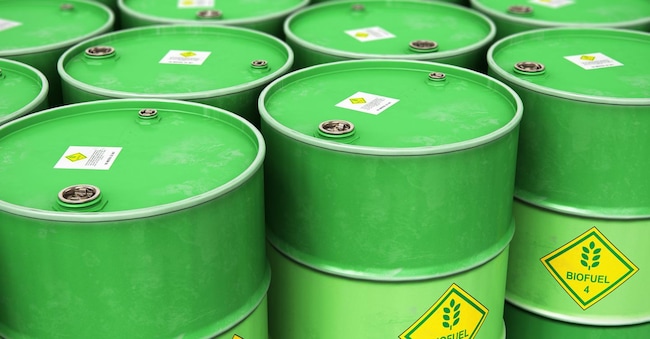
Even outside the conservative camp, there are calls for the European decision to be changed to be more technology-neutral. Le Pen's Rassemblement National Marine has made this one of its battle horses in the election campaign for the 30 June elections. It is also no secret that, in the ranks of our government, there has been a fight at European diplomatic tables for years to have biofuels excluded from the European ban, in a similar way to what Berlin has done with e-fuels;
The political will is supported by the data on the current composition of the car fleet shown in the graph above. More than 95 per cent of the cars in Italy (but also in France or Germany) are internal combustion and a quarter are Euro 3 or earlier. Given these numbers, the Caracciolo Foundation estimates that even after 2035, more than 50 per cent of the Italian car fleet will consist of vehicles with combustion engines. Biofuels could therefore play a particularly important role in the decarbonisation of transport, providing a low-emission solution for existing technologies, as underlined by the International Energy Agency.

