
This dessert looks like something out of a science fiction novel
Air, water, electricity. These are the ingredients of a low-impact protein preparation, ready to revolutionise our diet. And to combat food crises.

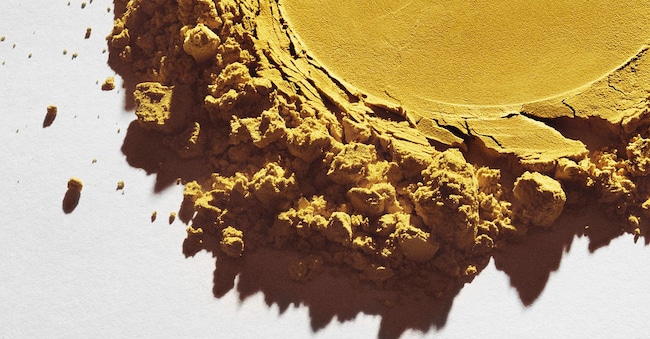
On the menu of the Italian restaurant Fico, on the Singapore waterfront, appears a dessert that seems straight out of a science fiction novel: a chocolate ice cream made with a yellow powder called Solein (from solar and protein). Developed by the Finnish start-up Solar Foods, it is presented as a small technological miracle capable of revolutionising the way we produce food: a protein made only from air, water and electricity. The idea originated in the 1960s, when NASA, in the challenge of feeding astronauts, imagined using microbes to transform carbon dioxide into protein. Sixty years later, Finland has taken that concept and adapted it to food production. "Our goal is to develop Solein production to solve the food crisis here on Earth. Completely independent of land use and weather conditions, Solein can be produced anywhere in the world, from deserts to the Arctic," says Laura Sinisalo, brand & marketing director of Solar Foods.
Basically, how do you go from air and water to protein powder? Everything happens in a precision fermentation process. 'In a large steel cylinder, the bioreactor, we feed our microbe - one of the billions of microorganisms found in nature - as we would a plant, but instead of watering it, we feed it with carbon dioxide from the air and hydrogen split from the water using renewable electricity,' Sinisalo further explains. At the end of fermentation, the biomass produced is dried and turned into a mustard-coloured powder containing 65-70 per cent protein, as well as fibre, fat and minerals. 'You can add this tasteless protein to various foods without changing the taste, and without resorting to animal ingredients to increase the protein content,' explains Maurizio Bettiga, chief innovation officer of Italbiotec, who recently brought together scientists, farmers and institutions in Milan at the Stati Generali delle Proteine Alternative event. Unlike cultivated meat, which is based on animal cells, this protein could reduce the environmental footprint by ten to a hundred times compared to meat, freeing up millions of agricultural hectares and drastically reducing polluting emissions.
In 2024, Solar Foods in Finland opened the world's first facility near Helsinki to produce food protein from carbon dioxide on a commercial scale. In addition to ice cream for the Asian market, bars and snacks are already in development, available in the US in early 2026. "The Factory 01 plant recently reached a production capacity of 160 tonnes of Solein per year," adds Sinisalo. The goal is to reach 176 tonnes, generating the same amount of protein from milking 300 cows in a single day.
However, Solar Foods is not the only company focusing on precision fermentation. Californian Air Protein focuses on alternatives to meat, with the aim of creating sustainable food for human consumption. In the UK, Aerbio applies the same technology to produce proteins for animal feed, as substitutes for fishmeal or soya. The American Nature's Fynd, born from a microbe discovered in the hot springs of Yellowstone, uses controlled fermentation to produce yoghurt, spreads and vegetable burgers based on the nutritionally complete fungal protein. Driven by unprecedented innovation, 'the global alternative protein market,' Bettiga emphasises, 'could reach $238.7 billion by 2034 (it is worth $90.5 billion today). And confirming the interest are the consumers themselves, who in 2024 have reduced their meat consumption: in Italy it is 59 per cent, led by Millennials and Gen Z motivated by health, animal welfare and sustainability'. The challenge, however, is not only technological, but cultural: to make alternative proteins accessible, tasty and desirable. Eating is ritual, memory, emotion. How will a food that does not come from the earth be received? Yet those who have tasted it speak of a versatility that makes it suitable for sweet and savoury recipes. As confirmed by the chef who, in Solar Foods' experimental kitchen, prepares dishes based on the saffron-coloured protein: an appetiser of grilled asparagus on cream cheese enriched with the new ingredient, ravioli of pasta made with the same protein topped with fried oyster mushrooms and tarragon beurre blanc sauce. And finally, the dark chocolate cake Solein.

