Family

Those fathers only 'for a while': in a film the story of fostering

Director Simone Valentini's new work tells the story of a 40-year-old single man's encounter with a boy he has accepted custody of

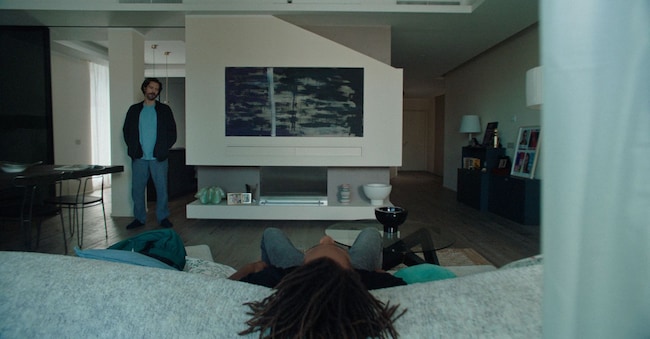
by Andrea Fontana

In Italia l'affido ha riguardato oltre 17mila minori nel 2024 e 1200 neomaggiorenni

4' min read

Translated by AI
Versione italiana

4' min read

Translated by AI
Versione italiana

"For a while" is the time of the father-child relationship in foster care, the temporary hosting of a child by another family, or an adult, in an environment suitable for growth when the original nucleus is no longer. In 2024, about 17,300 girls and boys went through this experience, which usually, by law, does not exceed two years; in some cases, about 1,200 according to the latest report of the Ministry of Labour and Social Policies, it can also continue as new adults under the so-called administrative continuation.

"Per un po'" is the title of the new film by Simone Valentini based on the autobiographical novel by Niccolò Agliardi, an author and singer-songwriter from Milan, who tells his story as the single father and 'in time' of Federico, an 18-year-old who grew up in a foster home, with a previous foster care that did not work out and a still strong bond with his natural mother.

Loading...

Simone Valentini: «Per un po'» è il suo secondo film dopo «Indelebile»

Why is a 30-year-old director talking about this form of fatherhood?
Partly out of recklessness, partly because, after other works on the parent-child relationship, it was an opportunity to take an outside look at the stories of so many teenagers. I also found myself in it: when it all started, I was working for RAI on the series "Dimmi di te" with Niccolò Agliardi, who turned teenagers' stories into songs. It was with one of these that he approached the world of foster care.

What is fostering?
It is one of the best cases in which to confront parenthood. In the natural family there are moral obligations linked to expectations of the children and feeling indebted to them. In fostering all this is not there. There is a mutual recognition for who one really is and at the heart of the parent's role: giving children the tools to cope with life.

Nicc and Fede, the protagonists, how do they resemble a father and son? First of all, in their first times. With our parents we have so many firsts - when you learn to ride a bike, when you get hurt and hide it from your parents, when you take your first holiday - they are something very precious in everyone's life. Fede, in the community since the age of eight, is a boy who has missed out on several firsts but has them with Nicc: an evening at the go-kart track or shopping at the supermarket where he finally doesn't have to pony up the money.
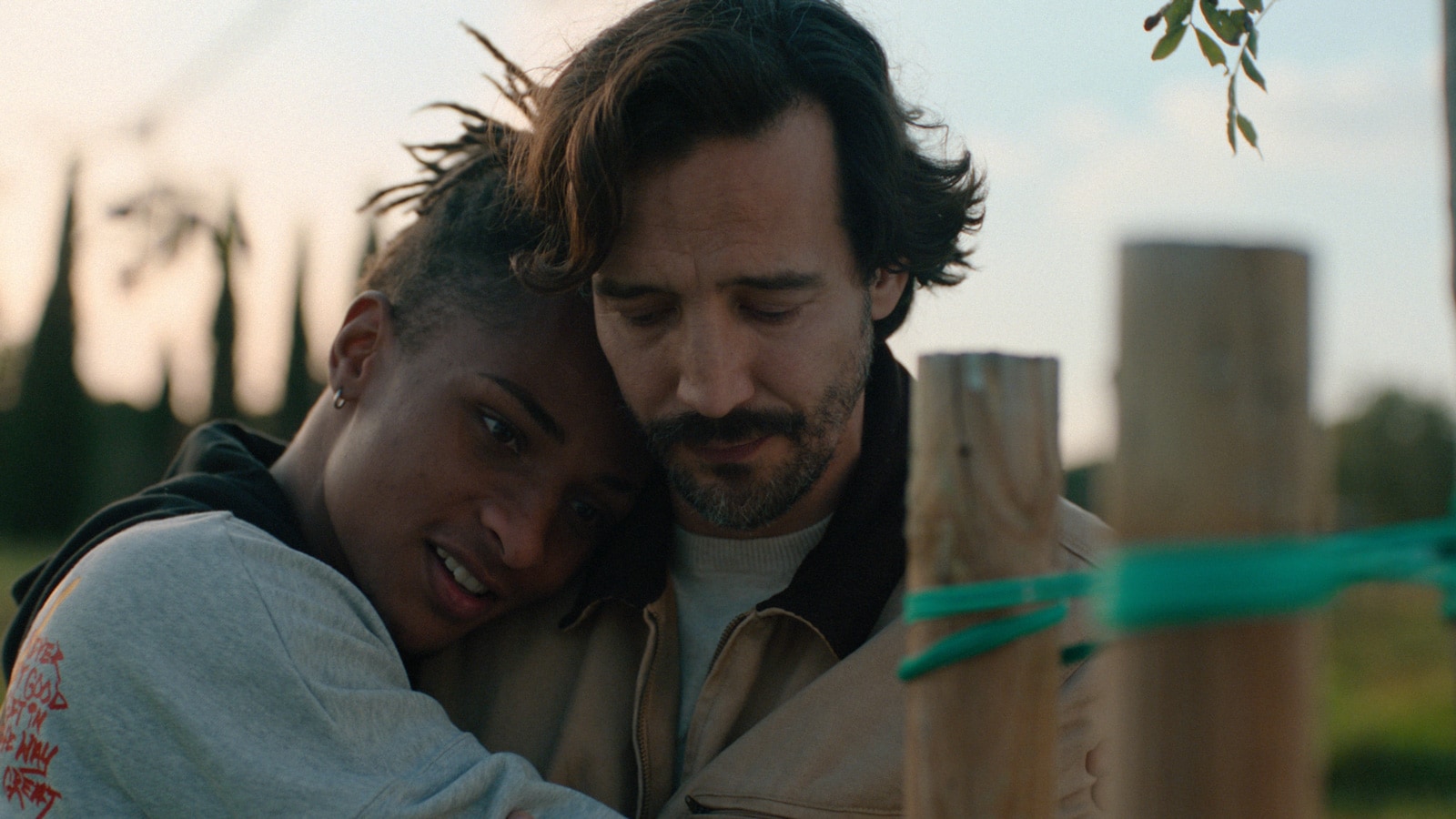
The "Vaffaws", the "But what do you know?" and the escapes: it is an encounter without discounts. In tackling stories like this one easily runs the risk of rhetoric or of agreeing with one of the two, but that is not the reality of things and that is why I have tried to use more the language of the documentary, which is where I come from. The protagonists are grown men so the clash between them is there, but it is not destruction, it is exchange, it is construction. A boy often does not have the dialectic, the experience and the tools to confront an adult, but he still wants his voice to be heard: Fede then has a basic but no less strong language and Nicc puts silences in it when he does not know how to respond to this language.

I protagonisti: Isnaba Na Montche (Fede nel film) e Alessandro Tedeschi (Nicc)

What are the frames of the relationship that, in the film as in reality, grow?
The hugs. Federico is a boy who hugs but the gesture always has different meanings: there is one with which Nicc almost tries to keep him at home, another to his mother as he bursts into tears and in the last scene a hug that finally becomes welcoming. The hugs are that for-a-while of the film's title translated into images: the time when the two accept each other and become family. Another key is an expression that comes back: 'It fits', they say to each other, and it means it's OK, neither too much nor too little. Here, I think that when a child grows up, the relationship with the parents often becomes 'It fits'.

In the story of a father-pariah, it is the song 'Who Belongs' that rocks the film: 'And I stop being ready, he says, because the trick is never to be ready'.
It was written by Niccolò for the film and is sung by Matteo Wax. We wanted a song that spoke to foster parents but also to those who deal with children of all kinds. One is never ready. That's what foster families, who may have more than one child over time, are told all the time. Those who have a natural child can sometimes have the presumption that they already know how to do it. Never being ready is the best part of every time you go down this path.

Copyright reserved ©
Loading...

Brand connect

Loading...

Newsletter

Notizie e approfondimenti sugli avvenimenti politici, economici e finanziari.

Iscriviti