
Bangladesh: police fire on protesters. Over 100 dead in student uprising
The movement was born out of exasperation at the lack of job prospects and a public sector recruitment system that favours a small minority of candidates

3' min read
3' min read
From our correspondent
NEW DELHI - Just months after the disputed elections that handed her a historic fourth consecutive term in office, the Bangladesh prime minister is facing her toughest challenge since being confirmed to lead the country. The threat comes from a movement of students exasperated by the lack of job prospects and a quota system in public sector recruitment that favours a small minority of young people at the expense of everyone else.
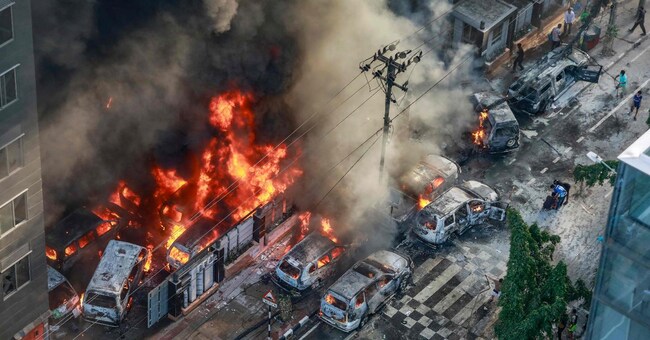
Police fired at protesters in the capital Dhaka, as seen by an Afp journalist on the scene. At least one person was injured among the thousands of people present in the residential district of Rampura for a demonstration, which took place despite a curfew imposed by the government to contain the growing civil unrest.
The clashes between protesters, security forces and militants of the youth wing of the premier party began on Monday and have been growing in intensity day by day. According to hospital sources quoted by the Agence France-Presse the victims of the five days of clashes are already 105. The number of injured is estimated to be in the thousands. According to the local media, on Thursday alone 22 young people lost their lives in an attempt to impose a bandh, a kind of general strike typical of South Asian countries in which protesters forcibly block all economic activities.
Attempts by the government to quell the protest by ordering the closure of universities, suspending phone and internet services and blocking the broadcasting ofall news television channels have so far been to no avail. According to the Telecommunication Regulatory Commission, the blockade was due to an attack by protesters on a broadcasting centre. Among the targets in recent days has been the State TV headquarters. On Friday, the websites of the Central Bank, the Prime Minister and the Police were hacked by a group calling itself THE R3SISTANC3. 'Stop Killing Students', the sites read, 'It's not a protest anymore, it's a war now'. Calls to join the revolt follow.


