
A turning point at Tisg – here’s why I’m leaving: ‘Data falsified by senior managers’
KPMG’s independent findings on the marine company will be handed over to the public prosecutor and Consob today

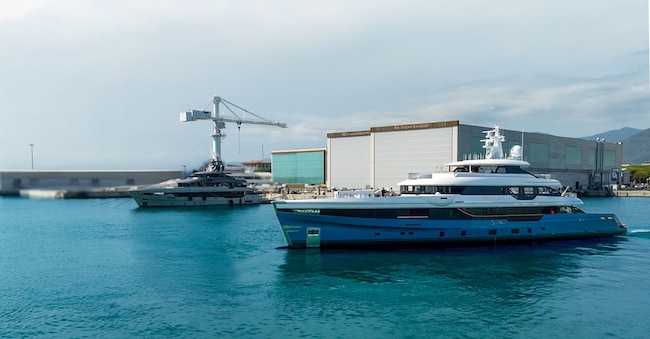
Giovanni Costantino, founder and owner of Tisg - The Italian Sea Group, which has been in difficulty for months due to cost overruns on current contracts, is leaving the board of directors and pointing the finger at the company’s top management, which, according to independent investigations by KPMG, Costantino reports, has created a sort of “parallel company”, with manipulated financial figures.
He’s leaving after 17 years – why?
Together with my son Gianmaria, I felt it appropriate to resign from the board. Following the discovery of a far-reaching fraud, it was necessary to take extraordinary measures. Having led the negotiated resolution of the crisis and commissioned the forensic due diligence – which is now nearing completion – I felt that a clean break was the best course of action to enable the company I founded to continue with its recovery programme, to ensure business continuity and to best serve the interests of creditors and other stakeholders. The board as a whole will, however, remain in office on an interim basis until 10 September, after which the general meeting will determine its new composition.
Tisg has been in serious difficulty for months, with its debt currently standing at 400 million. In February, it reported that the company had incurred cost overruns on its contracts. Subsequently, the chairman, Filippo Menchelli, and the vice-chairman, Marco Carniani, resigned. How did it come to this?
Tisg is a listed company and, according to the September figures released in November, it had 60 million in cash; according to my calculations – based on documents that later turned out to be forged – this figure should have been around 90 million in January. The full extent of the crisis became apparent in February, when we realised that we did not have sufficient funds in the bank to pay salaries: the cash balance, which, according to forecasts, should have been around 90 million, actually stood at just over 2. We immediately commissioned KPMG to carry out a forensic due diligence investigation and, as a precautionary measure, suspended several senior executives, including those you have mentioned. We began to realise that, by circumventing all the required controls, substantial off-budget expenditure had emerged. Following the initial investigations, the chairman and the vice-chairman resigned. It will be up to the judicial authorities to determine any culpability, but specific responsibilities have certainly come to light. For us, it was a dramatic wake-up call. Being deceived by our closest managerial colleagues is an extremely painful experience.


