
An EU code is being introduced to ensure the transparency of AI-generated content
Ahead of the requirements coming into force on 2 August, the Commission has published guidelines on labelling GenAI videos, images and text

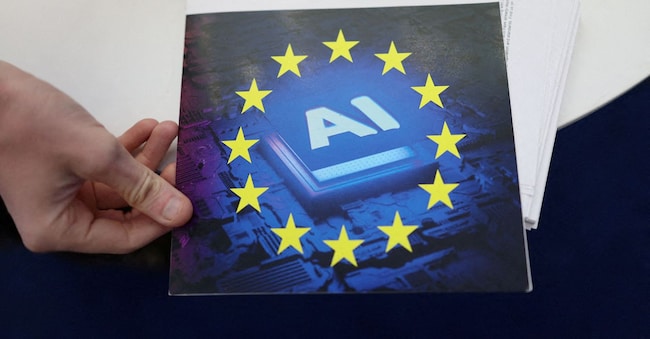
A set of best practices to help ensure better compliance with the transparency obligations under the Artificial Intelligence Act, which will come into force on 2 August. Accordingly, the European Commission today, Wednesday 10 June, gave the go-ahead for the publication of the code of good practice on the marking and labelling of AI-generated content. The code is voluntary and sets out concrete measures to assist both providers and operators of generative artificial intelligence systems.
Aiming for transparency
From 2 August 2026, the date on which the rules and obligations introduced by EU Regulation 2024/1689 will come into full effect, the AI Act will require clear labelling for certain particularly sensitive content, such as deepfakes and texts generated or manipulated by AI and published on matters of public interest. Users must also be clearly informed when they interact with a interactive AI system, such as a chatbot.
This set of guidelines, based on transparency, has a specific aim: to help people recognise when content has been generated or modified by artificial intelligence, so as to reduce the risk of deception, manipulation, disinformation or inaccurate information.
The code
The code was drawn up by six independent experts , with input from over 180 stakeholders, including providers and operators of interactive and generative AI systems and models; associations representing operators; small and medium-sized enterprises; the academic community; the public sector; and civil society organisations.
The Code consists of two sections: suppliers and distributors. The first section focuses on the obligations that suppliers of generative artificial intelligence systems must comply with. It sets out how they must ensure that audio, images, video or text generated or manipulated by AI are labelled in a machine-readable manner and can be recognised, identified and understood by all users as having been artificially generated or manipulated. The second section is devoted to the obligations of distributors of generative AI systems. It explains how they must clearly label deepfakes and AI-generated or AI-manipulated text intended to inform the public on matters of general interest, particularly where there has been no human review or editorial oversight.

