
Sardinia, bacteria and indigenous plants to clean up heavy metal polluted soils
The initiative, carried out by 26 organisations and universities, concerns the Ingurtosu site in the Geo-mineral Park where there are mining residues that have been idle for decades
3' min read
Key points
3' min read
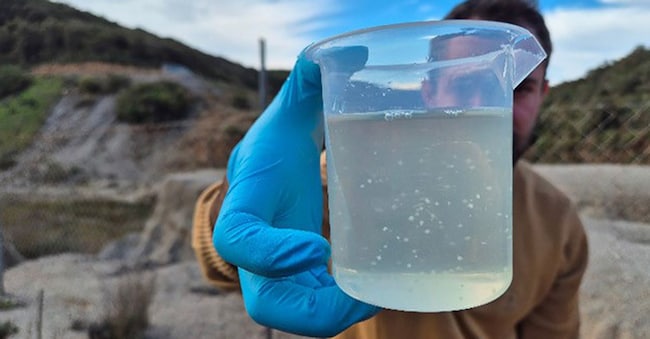
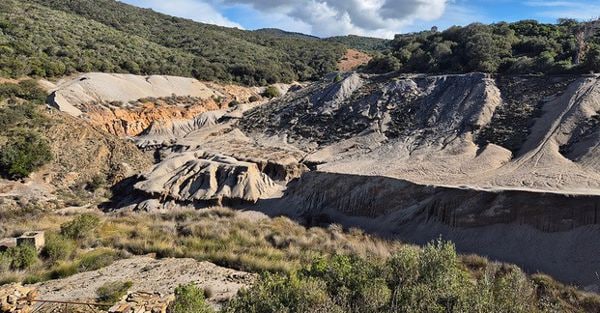
Good' bacteria and autochthonous plants such as Helichrysum, to reclaim land polluted by heavy metals, residues of mining operations deposited over the years, up to the cessation of activities in the second half of the 20th century. Proposing this solution for the Ingurtosu site in south-western Sardinia, and included within the Historical and Environmental Geominerary Park (an institution sponsored by Unesco), is the Return project, financed by the Pnrr and carried out by a collaboration of 26 organisations and universities.
Plants and bacteria for reclamation
.It is precisely in this area that researchers from ENEA's 'Environmental Degradation' thematic area are experimenting with a natural reclamation process that exploits the 'collaboration' between wild plants and bacteria native to the site.
Loading...
'Mining-related activities have caused significant environmental degradation in the Ingurtosu area, which has been exposed to heavy metal pollution such as lead and zinc for decades,' emphasises Chiara Alisi of the Technologies for the Preservation of Architectural and Cultural Heritage Laboratory. In this context, since 2011, in collaboration with the Department of Chemical and Geological Sciences of the University of Cagliari, we have been conducting studies on changes in the quantity of heavy metals in relation to the presence of spontaneous plants and microbial activity in the soil, also testing phytoremediation techniques with microorganisms, and now we are recovering the polluted area by supporting the growth of Helichrysum plants, typical of the area'.
Microorganisms and mining waste
.The starting point and heart of the project is bioaugmentation, the process that 'consists of introducing microbial strains, in this case isolated from the mine waste itself, to promote the degradation/transformation of pollutants'. In this specific case, '11 native bacterial strains' 'invisible protagonists, isolated directly from mining waste' were introduced into the soil. These micro-organisms are not only able to survive in environments with a high concentration of heavy metals, but also to produce substances that stimulate plant growth and improve microbial biodiversity and soil quality, contributing to soil stabilisation.
Bacteria, Plants and Heavy Metals
.'Bacteria cannot degrade heavy metals, but they can help to immobilise them and promote soil regeneration,' the researcher argues. 'Plants, in fact, have difficulty growing in contaminated soil. This is where bacteria come in, producing nutrients that allow plants to take root'.


Brand connect
Loading...
