
Tourism: the boom in low-cost flights is driving up rents – price rises of up to 130 euros in Italia
The Nef study commissioned by T&E: the impact of increased air travel on housing costs and rents
by R.Fe.
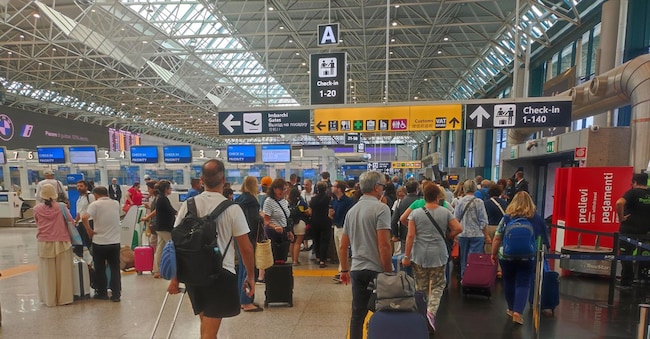
The increase in air traffic, particularly low-cost flights, is boosting tourism but, at the same time, may exacerbate the housing crisis in destinations most popular with travellers. This is the link that emerges from the analysis that T&E – a group working towards the decarbonisation of transport – commissioned from New Economics Foundation (NEF): average annual rents in the five largest European economies dependent on tourism (Italia, Greece, Ireland, Spain and Portugal) are expected to rise over the next five years (2026–2031) as a result of the increase in air travel. In absolute terms, Ireland is expected to see the largest increase (€250 per year); in relative terms, Greece, Portugal, Spain and Italia are forecast to see the most substantial rises, with increases in average annual rents ranging from 130 (Italia) to 220 euros (Spain).
Destinations under pressure
The study highlights how the European regions where the strongest local reactions against tourist overcrowding have been seen – such as the Balearic Islands, Crete and Madeira, almost always record the highest numbers of foreign arrivals per capita, with the vast majority of travellers arriving by air. Air transport is estimated to account for 52% of the global tourism industry’s direct emissions and for a large proportion of the sector’s emissions growth.
Investments in the aviation sector
Meanwhile, European governments continue to focus firmly on growth driven by air travel and tourism. The study notes that Spain has allocated 12.8 billion euros for airport investments, including the expansion of Barcelona and Madrid airports. Athens is currently carrying out a €1.3 billion expansion project to increase annual passenger capacity by 25 per cent, whilst terminal expansion works are under way in Lisbon. In Italia, discussions are taking place regarding the expansion of Fiumicino Airport.
Missed investment opportunities
The analysis also highlights how rising property prices may lead to a reduction in business investment across the wider economy. Over the period 2019–2031, business investment is expected to see the sharpest decline in Greece, Portugal, Spain and Italia. The largest losses in absolute terms are recorded in Italia and Spain, which lose 1.1 billion euros and 1 billion euros of annual investment respectively. This is happening – as the report emphasises – because rising prices are encouraging investors to channel capital into the property sector rather than into productive and innovative sectors, such as transport – for example, electric vehicles or trains – and information technology.


