
Summer tourism in decline: high prices cut Italians' holidays
After the boom of 2023, last minute and seasonal adjustment save the sector's accounts. Declines in Naples (-20%), Sicily, Liguria and Tuscany.
by Vera Viola, Nino Amadore, Barbara Ganz, Raoul De Forcade, Ilaria Vesentini, Davide Madeddu
5' min read
5' min read
There is a drop in the number of tourists in Italy in July and August. Especially in the Centre and South, and in the seaside resorts, while in the big cities, with the exception of Naples (where a 20% loss is estimated), overtourism continues to suffer. For now there is a lack of exact data on the current tourist season, but it is certain that after the boom of 2023 the holiday industry is beginning to show the first signs of slowing down. One hopes for last-minute bookings and the choice of different periods.
The first drops were recorded in July, then in August, when Italian tourists in particular dropped out, partly because they were hit by the long wave of inflation and partly because they were frightened by the fiery weather. In some cases, the arrival of more foreigners eased the situation, but failed to offset the losses. Confindustria Alberghi speaks of a downturn: 'There are fewer Italians,' they confirm, 'On some destinations they compensate for the international travellers who are present throughout the year. Here, that deseasonalisation we have always dreamed of is coming and this also helps to alleviate the strong tourist pressure of the past year. Italians have decreased because they can spend less and then because prices have increased'. Domestic tourism is dropping by 1%: the middle class is suffering as they reduce their holiday stays, change the period and sometimes give up, according to Federturismo (Confindustria). "But - he warns - let's wait for the last minute".
Naples and province down
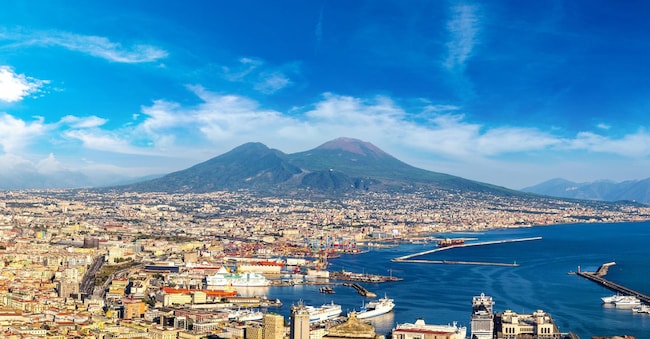
In Campania, the slowdown is tangible. Naples and its province, including the islands and the Sorrento coast, show an average -20% drop in admissions, concentrated in the period around the August bank holiday, and therefore in these days. "August is usually the month of Italians, who have decreased this year. In part, foreign arrivals have grown,' reports Gianna Mazzarella, head of the tourism section of the Industrialists' Union of Naples. 'We expect to start again in September with more substantial flows. The railway network is devoid of ordinary and extraordinary maintenance: this is weighing on tourists' choices,' denounces Costanzo Jannotti Pecci, president of Naples' industrialists. This is the case on the Sorrento coast. Operators speak of a drop in admissions of between 10 and 15%. Gino Acampora, president of Fiavet Campania and Basilicata - Italian tourism has shrunk here. And this year also the number of Americans, who usually account for 30% of arrivals in Sorrento. They did not book because they were frightened by the wars'. Then he adds: 'High costs and inadequate services are a threat. And the non-hotel sector must be regulated and controlled'.
Sicily between eruption and drought
Italians are also missing in Sicily and the increase in foreign arrivals was not enough to compensate, especially in August. The historical destinations: Taormina, Erice, Cefalù are holding up: "In Agrigento," explains Vittorio Messina, national president of Assoturismo-Confesercenti, "we can estimate a 25% drop due to two factors. The first: some people have postponed a visit to the Valley of the Temples until next year when Agrigento will be the capital of culture. The second: drought. There is a similar drop in the province of Ragusa'. The situation is complicated in the Aeolian Islands: "From May to July there was a drop of between 5 and 10% in accommodation facilities compared to the previous year," says Federturismo Eolie president Cristian Del Bono. The same trend could be recorded in August. The numbers are worse, between -30 and -40% for Stromboli due to the volcanic risk alert. Other causes include the high cost of flights to Sicily and the drought'. Italians' drop underlined in Syracuse by the president of Noi Albergatori Giuseppe Rosano.
Liguria, 4% drop in attendance in June then recovery
It's the same story in Liguria: the number of Italians on holiday is falling and so is their spending capacity. This is what emerges from cross-referencing data provided by institutions and employers' associations. But the season is holding up, thanks to foreign visitors. The regional councillor for tourism, Augusto Sartori, explains that, in June, there was 'a decrease in admissions, compared to last year: by 4%. Decisive factor: bad weather. The month of July, on the other hand, went very well; by mid-August, hotel occupancy is expected to be 98-99%'. These figures are not in line with those put forward by the president of Federalberghi Liguria, Aldo Werdin. "In July," he says, "Italian presences decreased by 5-6% compared to 2023. And even Italians who frequent five-star facilities are consuming and spending less. In August, we expect a smaller drop in Italians: -2%".


