
Tourism in Sicily: coast under pressure, inland areas in trouble
Research data from Cst and Otie to be presented in Palermo at the Extra-Hotel Tourism Exchange organised by Confesercenti

Key points
Tourism is growing in Sicily, but in a profoundly unequal way. Between 2015 and 2024, arrivals increased by more than 28% and presences by almost 20%, exceeding 7 million arrivals and 22 million overnight stays. Foreigners are the main driving force (+21.8%), growing more than Italian presences. But behind these numbers lies a highly unbalanced geography of development: a few territories concentrate most of the flows, while vast inland areas continue to depopulate and lose economic activity. Sicily attracts a lot, but does not transform this opportunity into balanced development.
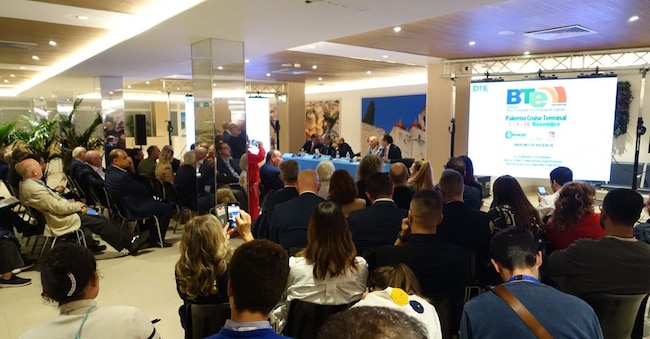
Analyses by the Cst Florence ('The development of tourism between overcrowding and commercial desertification') and the Otie (on the non-hotel sector), which will be presented today, Saturday 15 November, at the Palermo non-hotel tourism stock exchange, accurately photograph this imbalance.
Cities and coastline: more tourists, fewer residents
According to the Cst study, in the sample of 127 municipalities representing almost the entire regional offer, 78.8% of accommodation establishments, 87.3% of beds, 91.9% of arrivals and 93.5% of presences are concentrated. Tourist density exceeds 2,000 overnight stays/km², three times the regional average. Despite this, the capitals are losing 5.4% of their residents and the coasts 2.9%; retail trade is in sharp decline (-15.5% in the cities, -8.4% on the coast), while catering is growing. Coastal towns and villages are becoming service economies linked to tourist flows more than to daily life.
Extra-hotel dominates
According to Otie, in 2024 Sicily will register 46,925 extra-hotel facilities (298,000 beds), 70.4% of the total offer: no large Mediterranean island has similar numbers. No large Mediterranean tourist island can bear comparison: Crete has 34,232, Sardinia 38,469, Majorca just 17,997. In the last year alone, the growth was 28.7%. However, this proliferation does not automatically generate value: the average visitor stay is the lowest in the entire Mediterranean - three days, compared to six in Majorca and nine in Corsica. More than 80 per cent is private accommodation, which has grown thanks to the Ota: in the last year in particular, the increase was 28.7 per cent. But this boom does not generate proportionate value: the average stay is only three days, the lowest in the Mediterranean. The more than 1,047,000 unoccupied dwellings fed 38,162 non-entrepreneurial tourist accommodations. San Vito Lo Capo, Taormina and Favignana record a very high pressure: one in three homes for short term rentals. Inside Airbnb reports 23,600 entire flats in Sicily compared to 3,300 in Majorca: a clear imbalance between huge supply and real return.
Nebrodi: demand is growing, development is not
In the 28 municipalities of the inland area, most of which are in the province of Messina, the population drops by 9.3% and the accommodation offer is reduced. Yet tourist presences are increasing by 52%, driven by nature, landscape and proximity tourism. Demand exists but is not organised: infrastructures, business networks and structured packages are lacking. The Cst's synthetic indicator confirms the paradox: no municipality is among the high or intensive development destinations. They all remain in the 'regular development' bracket, the minimum level. This is the sign of an attractive inland Sicily but incapable of retaining value and transforming it into economic opportunities.


