Artemis 2: towards the Moon fifty years later (this time with Italia)
Tonight, Artemis 2, the first manned lunar flight in more than half a century, gets underway. Meanwhile, in Washington, Minister Urso signs an agreement with NASA: the first living modules and one of the first astronauts to walk among the Selenian moors will be Italian

When Apollo 17 ditched in the Pacific Ocean on 19 December 1972, no one suspected it would be more than fifty years before more humans ventured to the Moon. Weather and solar activity permitting, the wait could end tonight, with the departure of Artemis 2, the second mission of the new US lunar programme, but the first with a crew.
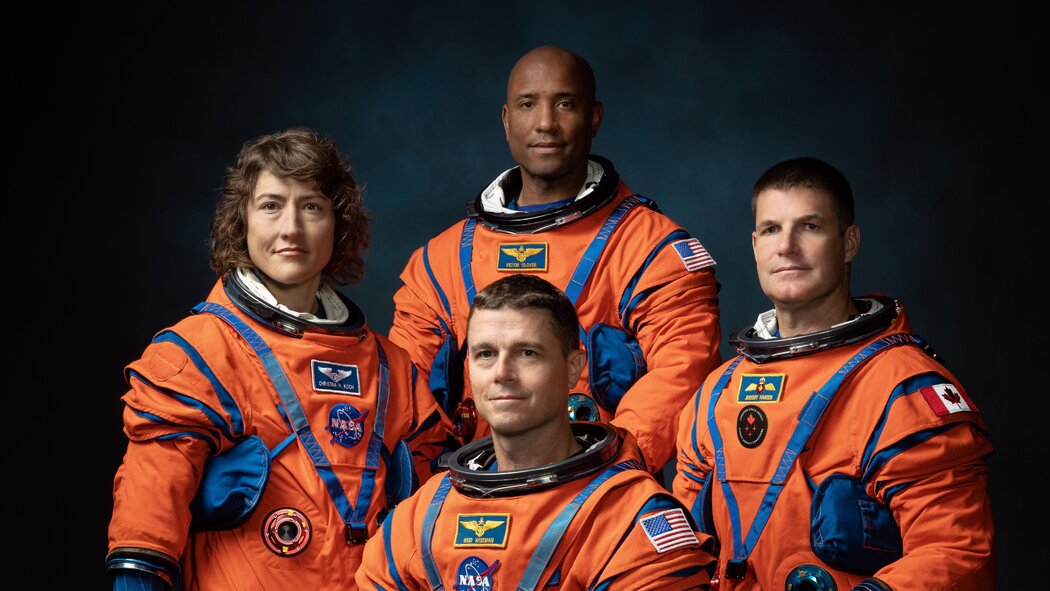
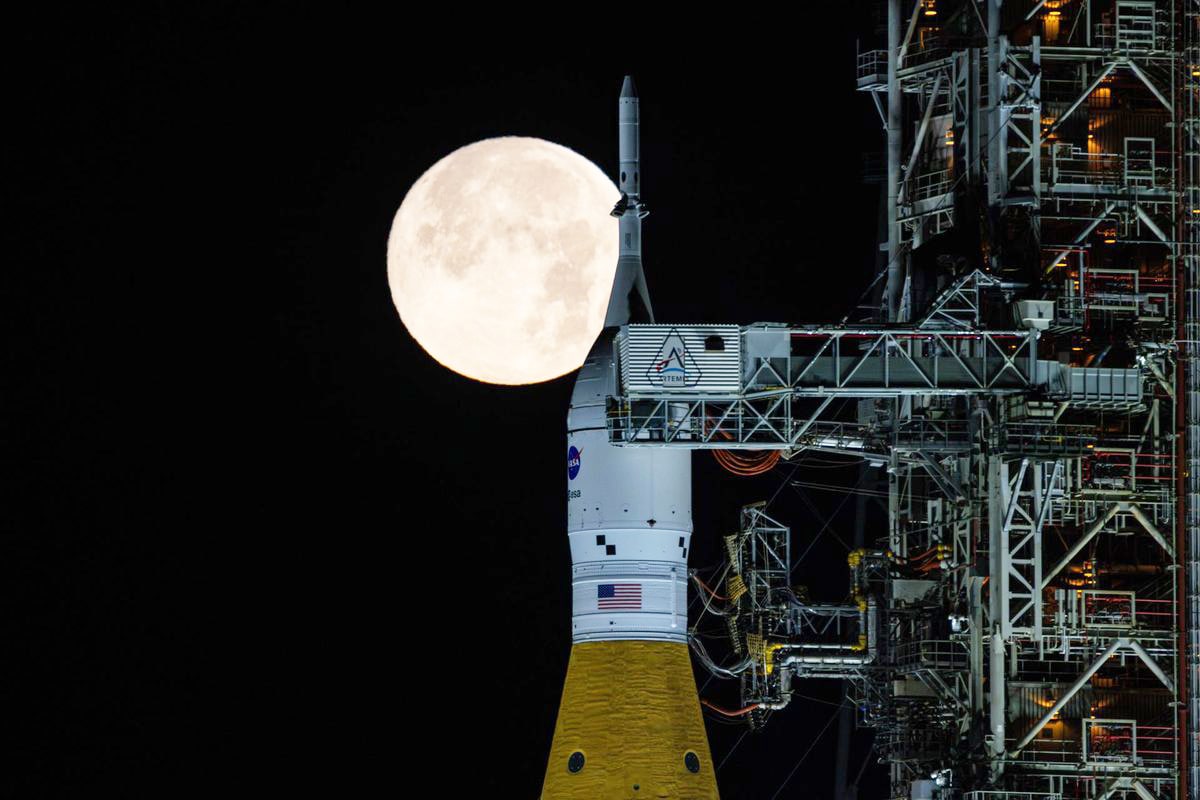
With a launch window of two hours from 00:24, from Ramp 39B of the Kennedy Space Center - where Apollo 10, the 'dress rehearsal' for the historic first Moon landing in 1969, took off - the Space Launch System rocket is scheduled to take off towards the Moon with the Orion capsule in the lead and four astronauts on board: commander Reid Wiseman, pilot Victor Glover and mission specialist Christina Koch, all from NASA, together with Canadian Jeremy Hansen. They will be the first woman, the first black astronaut and the first non-US astronaut to go beyond Earth orbit.
They will not land on the Moon: Artemis 2 will fly around it, on a journey of about nine days during which Orion will make a figure-of-eight trajectory, using gravity to return automatically even in the event of engine failure. The crew will travel up to about 400,000 kilometres from Earth - potentially breaking the record for the greatest distance travelled by human beings, now held by Apollo 13 - fly over the hidden face at an altitude of about 7400 kilometres, then turn back to land off San Diego.
The new architecture of Artemis
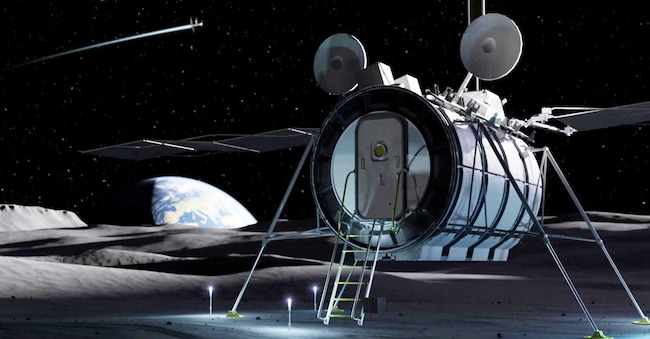
No new human footprints will remain on the Moon. The goal is a different and far more ambitious one: to achieve mankind's prolonged and continuous stay on the Selenian moors. Because Artemis is not Apollo: the 1960s programme was a show of strength in the midst of the Cold War. Artemis aims to build a stable, habitable, scientifically and one day economically productive infrastructure on the Moon. This was confirmed on 24 March by NASA Administrator Jared Isaacman, revolutionising the programme's original architecture and promising a permanent base by 2036, with 30 billion in investment and partners such as Japan, Canada and Italia.
Put another way, this time we are not leaving for a banner, but to inaugurate a construction site.