
Tpl, electric and hydrogen vehicles in the plans of Atm, Fnm and Tper
Milan and Bologna lead the ecological transition: in the Lombard capital, investments of 1.5 billion, the Bologna municipality anticipates EU targets

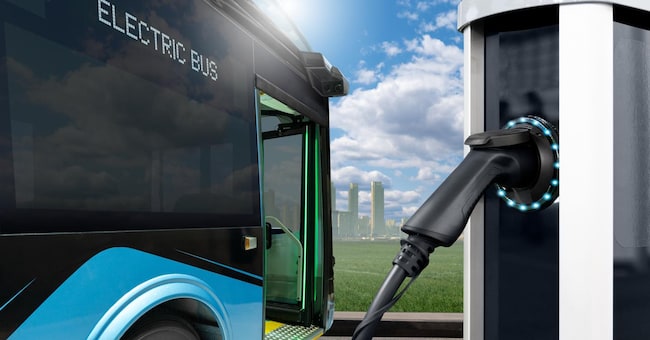
In local public transport (LPT), a silent revolution is underway, with electric and hydrogen fuelling for regional buses and trains, the full extent of which is still hard to grasp. But the projects are there, the investments too, and they are already changing the paradigm of urban mobility. The list of sustainability leaders compiled by Statista and Il Sole 24 Ore includes, among others, three public transport companies that represent a kind of case study: Atm Milano, Fnm (Ferrovie Nord Milano) and Tper Bologna. Atm Milano has launched a 1.5 billion euro plan for new vehicles and infrastructure, called full electric, which aims at a complete conversion to electric power of the entire bus fleet of 1,200 vehicles. Fnm has been engaged for some time in the development of the H2iseO project, which envisages the circulation of hydrogen-powered trains on the Brescia-Iseo-Edolo railway line, currently powered by diesel and whose service is managed by Trenord. The investment amounts to EUR 367 million, of which: 183 million related to the purchase of 14 hydrogen trains (manufactured by Alstom) and 184 million related to the hydrogen production and refuelling facilities. In Bologna, 127 hydrogen-powered buses of Tper are about to enter into service, involving an investment of EUR 74.9 million supported by funds from the NRP of which the Municipality of Bologna was a beneficiary. These vehicles will be added to the 10 hydrogen-powered buses, also belonging to Tper, which made their debut more than six months ago on Ferrara's urban lines (Tper operates in the Bologna and Ferrara basins). Overall, Tper will operate the largest fleet of hydrogen-powered buses in Italia.
Let's start with Atm. The company, 100% controlled by the City of Milan, already runs 75% of its service with electricity, 100% of which comes from certified renewable sources. The electric fleet is growing rapidly: over 430 buses are now in circulation on 29 fully electric lines. The delivery programme will lead to about half of the bus fleet being fully electric by the end of this year. In addition to these electric vehicles, some 300 hybrid buses are already in service today. When fully operational, this gradual conversion will reduce diesel consumption by 30 million litres per year. The ecological transition also requires an infrastructural revolution of the Atm depots. There are currently four depots that have already been converted: San Donato, Sarca, Giambellino and Palmanova, all equipped with recharging columns and fast pantograph chargers.
Fnm's project envisages the delivery of the first 8 hydrogen-powered trains (7 of which are financed through the Pnrr) during 2026 with service start-up in 2027. The hydrogen requirements for these trains will be met by the Iseo and Edolo plants, which will also be put into service later this year. The trains will be maintained at the Rovato site, which is already in service. Delivery of the remaining six trains (already ordered) will take place in 2028 with commissioning taking place in the same year.
Bologna is among the 100 European cities aiming for carbon neutrality by 2030, 20 years ahead of the target set by the EU. And Tper is a pivot of this strategy. The hydrogen-powered vehicles, which when fully operational will cover around 12% of the entire vehicle fleet, are intended for urban and suburban lines for which greater autonomy is required, which is currently not guaranteed by traditional electric vehicles. For urban transport, electric traction is present in all its forms and in continuous development. The Tper fleet, 1,223 buses of all sizes and types, is already at the top end of eco-sustainability, so much so that the proportion of vehicles with high or very high environmental compatibility exceeds 85%. The Euro3 and Euro4 category buses still in circulation, although equipped with emission reduction devices, are therefore relegated to less than 15% of the entire fleet and will be gradually replaced.


