China-EU crisis

Trade and political tensions: Beijing suspends two meetings with Brussels

China has called off two diplomatic meetings with the European Union in response to EU measures aimed at curbing the rise in Chinese exports, whilst Brussels is stepping up its diversification and monitoring strategies

by Rita Fatiguso

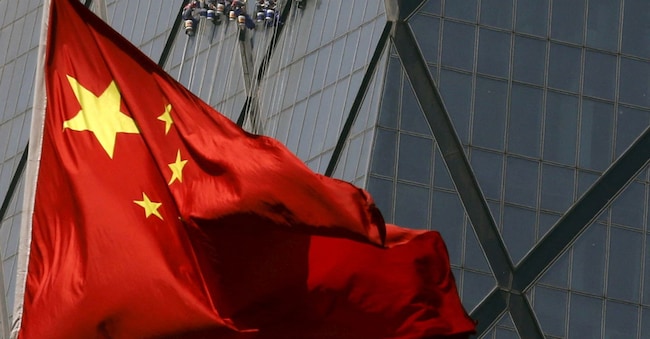
La bandiera nazionale Cinese sventola davanti a un distretto commerciale a Pechino REUTERS

2' min read

Translated by AI
Versione italiana

Key points

2' min read

Translated by AI
Versione italiana


Europe and China are increasingly divided by the imbalance in bilateral economic relations. Beijing has pre-empted possible countermeasures from Brussels in response to the rise in Chinese exports by unexpectedly cancelling two important diplomatic meetings with the European Union scheduled for June.

Loading...


The diplomatic crisis

Brussels has stated that the cancelled meetings – a ministerial-level discussion, a meeting on digital issues and another that was to have involved the Deputy Secretary-General of the EU’s diplomatic service, Olof Skoog – are being rescheduled.

In fact, China has launched a creeping campaign to dissuade Brussels from adopting new measures to curb Chinese exports, which rose by 16.4% between January and May compared with last year, with state media raising the spectre of a “trade war”.

Pechino risponde a von der Leyen: Ue cambi la sua mentalità

Both blocs have sought to maintain a dialogue to manage their differences, as evidenced by ongoing bilateral summits and exchanges between think tanks, in an effort to prevent the situation from escalating into a direct confrontation.

However, cancelling meetings is a common tactic used to signal dissatisfaction with the policies implemented by one of the parties.


Bilateral relations

China and the European Union are at once vital economic partners, direct economic competitors and systemic rivals. Together, they account for over a third of global GDP and nearly 30% of world trade, remaining deeply intertwined despite ongoing geopolitical tensions.

China is the EU’s third-largest trading partner, with bilateral trade in goods and services exceeding €845 billion.

Brussels, however, has become increasingly defensive against Chinese state subsidies and industrial overcapacity, particularly in sectors such as electric vehicles (EVs), wind turbines and solar technology. For this reason, it is actively pursuing a ‘de-risking’ strategy, focusing on diversifying supply chains, reducing vulnerabilities in strategic sectors and strengthening the Critical Raw Materials Act.

Vertice Ue-Cina a Pechino, Von der Leyen: riequilibrare relazioni

Common elements

Both the EU and China share a common interest: the green transition. Ongoing cooperation covers emissions trading schemes, water management and the transition to a circular economy. Last year’s bilateral summit in Beijing led to this development, even as the two blocs remained divided by geopolitics and systemic rivalry.

The EU is keeping up the pressure on Beijing over its relationship with Russia, closely monitoring and taking action against any Chinese entities and supply chains that are supporting Russia’s military campaign in Ukraine.

Brussels is keeping a close eye on supply chain security: access to rare earths and restrictions on exports of critical raw materials remain, as is well known, key points of contention and strategic manoeuvring on both sides.

Copyright reserved ©
Loading...

Brand connect

Loading...

Newsletter

Notizie e approfondimenti sugli avvenimenti politici, economici e finanziari.

Iscriviti