Journey to Bali amid yoga retreats, sound domes and organic restaurants
On the island of spirituality and wellness, you can find natural cosmetics, handicrafts and sustainable garments under the guidance of artist Liina Klauss.

3' min read
3' min read
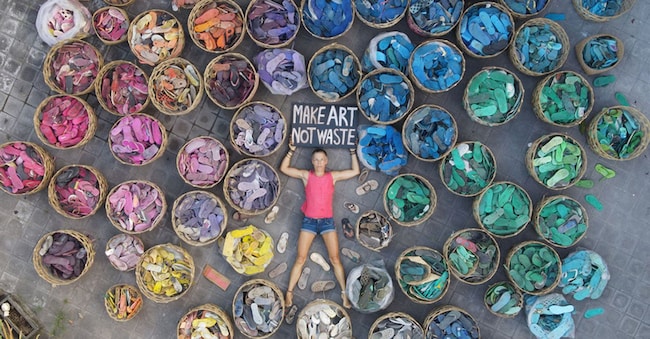
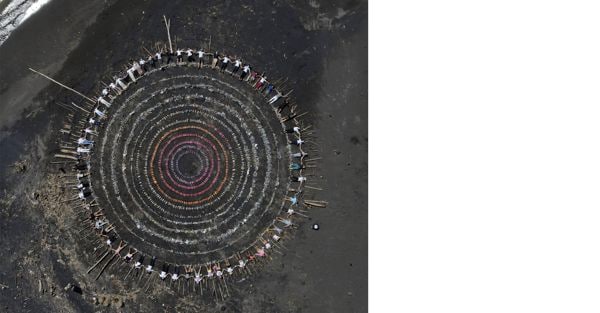
Coloured mandalas up to 30 metres in diameter. Rainbow Land Art installations made from old flip-flops, caps and bottles collected from the beaches of Bali, the tropical Indonesian island increasingly overrun by plastic waste. These are the works that, as an artist and activist, I create by assembling in shape, size and colour huge piles of rubbish that I collect with dozens of volunteers in day-long events called Curating the Beach in Cangu, a rural village south of Bali. With my art I want to raise awareness of environmental pollution: Bali produces 680 cubic metres of plastic waste a day, the equivalent of a 14-storey building. I moved here in 2016.
I was working in Hong Kong in the fashion world and was looking for a quieter lifestyle to raise my children. Here my routine has changed completely: I can even go out surfing in the morning before waking them up and having breakfast. While they are at school, I work in the studio on my multicoloured works. The most striking one stands open-air at the Desa Potato Head resort in Seminyak: it is called 5000 Lost Soles, and is a carpet of 5 thousand flip-flops salvaged from the seashore. Built with 1.8 million terracotta bricks, the resort (Desa means village in Indonesian) is decidedly avant-garde, from the beach club to the underground disco Klymax, with a sound system created by the engineer of New York's Studio 54: I love its bass-dominated sound.
Bali is a mix of innovation and millenary traditions, starting with the artistic community in which almost all of us know each other - the island is small even though the distances are considerable - between international designers attracted by the beauty of nature and local artisans who are heirs to ancient crafts such as jewellery making, wood carving and weaving. The perfect synthesis of this encounter are, for example, Carina Hardy's jewellery, which can also be purchased online.
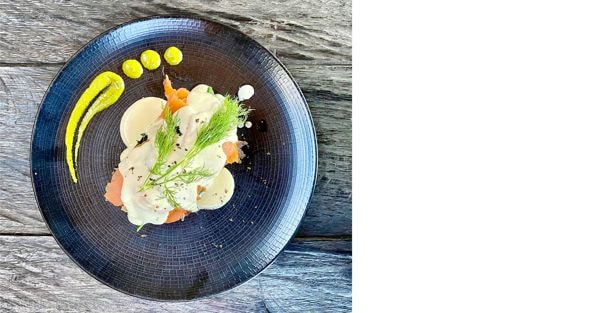
While for local handicrafts, from wood carvings to batik fabrics, it is ideal to wander around the stalls of the Ubud Art Market. The culture of hospitality is part of the island's DNA and one of the places that expresses it is the Tugu Hotel, the most historic in Cangu, home to a collection of Indonesian antiquities: it is like being in a museum. Even if you are not staying here, the advice is to go for dinner and watch a performance of traditional Balinese dance, an expression of devotion to the gods. For lunch, my favourite location is a cafeteria in Cangu, Cafe Vida Organic: organic food in an environment with a local flavour. Not far away, for a fine dining experience, Mostly is the perfect fusion of Asian and contemporary cuisine.
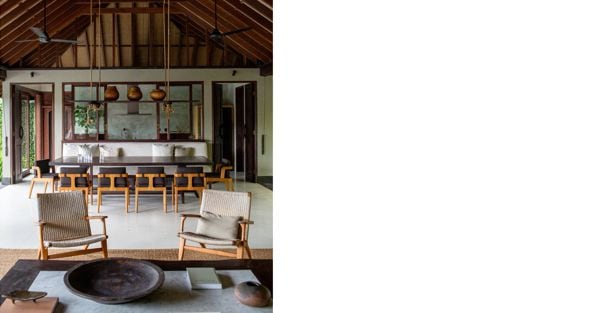
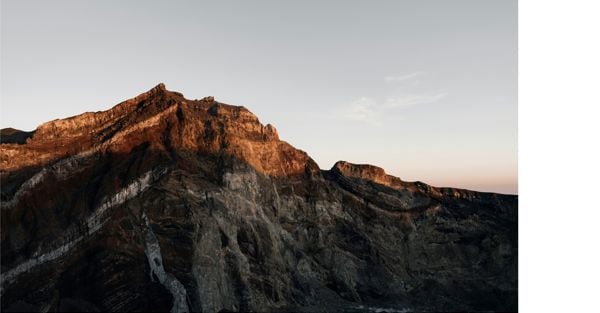
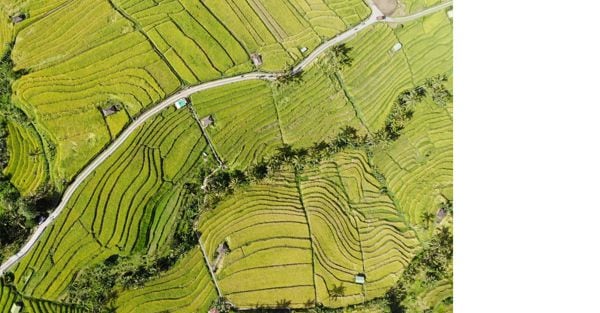
From beaches to jungle: the Rumah Hujan Estate consists of two villas overlooking the Wos River Valley. Silence and relaxation are guaranteed, in contrast to the traffic in the nearby centre of Ubud, the island's cultural capital and centre of yoga retreats and organic restaurants. In one of these, the Warung Bintang, it feels like home (warung means family-run) and with any luck, in the evenings, the owner and his son Bintang, which means star in Indonesian, play live music. Moving further north, we arrive at the Unesco World Heritage rice paddies Jatiluwih Rice Terrace, a masterpiece of sustainable agriculture: the irrigation system, preserved for centuries and called subak, works by sharing water between the various village cooperatives. To cross the rice fields, there are routes on foot or by bike, varying in length and difficulty. For the more experienced, on the other hand, two hours' drive north, the adventure becomes challenging with the Munduk waterfall route, which after a 15-metre drop plunges into an emerald-coloured pool, where those who are not afraid of cold water can bathe, and those who are already trained can proceed with the excursion to Mount Agung, the sacred (and active) 3,000-metre volcano.