Triennale, when creativity becomes responsibility
Art for Tomorrow 2025 and the 24th International Exhibition confront the crisis of our time. Theaster Gates and culture as a political act

4' min read
4' min read
In a time marked by global crises - political, economic, climate and social - Art for Tomorrow 2025, the symposium organised by The Democracy & Culture Foundation for its 10th edition brings together influential players from the worlds of art, architecture and design such as Norman Foster, Theaster Gates, Jeff Koons, Shirin Neshat and Hans Ulrich Obrist, to name but a few. Within the Milan Triennial, this international meeting, which took place from 12 to 14 May, focused on a crucial question: what role can creativity play in the reconstruction of a collective fabric that is today profoundly torn?
Art, architecture and design are no longer (only) spaces of contemplation or aesthetics, but prove to be essential tools of understanding, connection and intervention. In a global context where isolation, polarisation and inequality prevail, the creative act becomes a political gesture, a common language, a transformative action.
The heart of the 2025 edition beats around a strong conviction: creativity has a social responsibility. It is no longer enough to inspire, we must also mend. Faced with the temptation of individual withdrawal, Art for Tomorrow proposes an open, courageous gaze, ready to reactivate the sense of 'us' through art as a practice of listening, caring and building shared imaginaries.
Theaster Gates: culture as regeneration
This is witnessed by some of the most authoritative and experimental voices on the international artistic and intellectual scene, including Theaster Gates, artist, urban planner and cultural activist, one of the most radical figures in contemporary art. Born in 1973 in the United States, in his artistic expression he fuses sculpture, performance and oriental spirituality in a practice that celebrates the 'spirit of things' and brings back to life what has been forgotten: objects, spaces, memories.
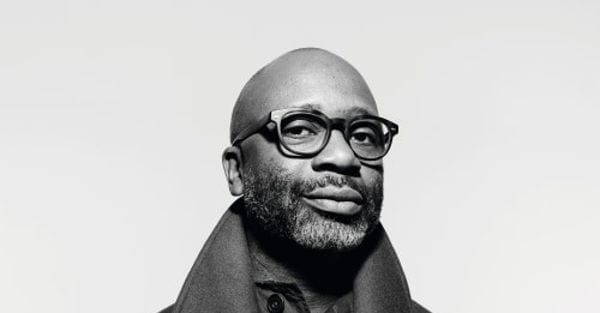
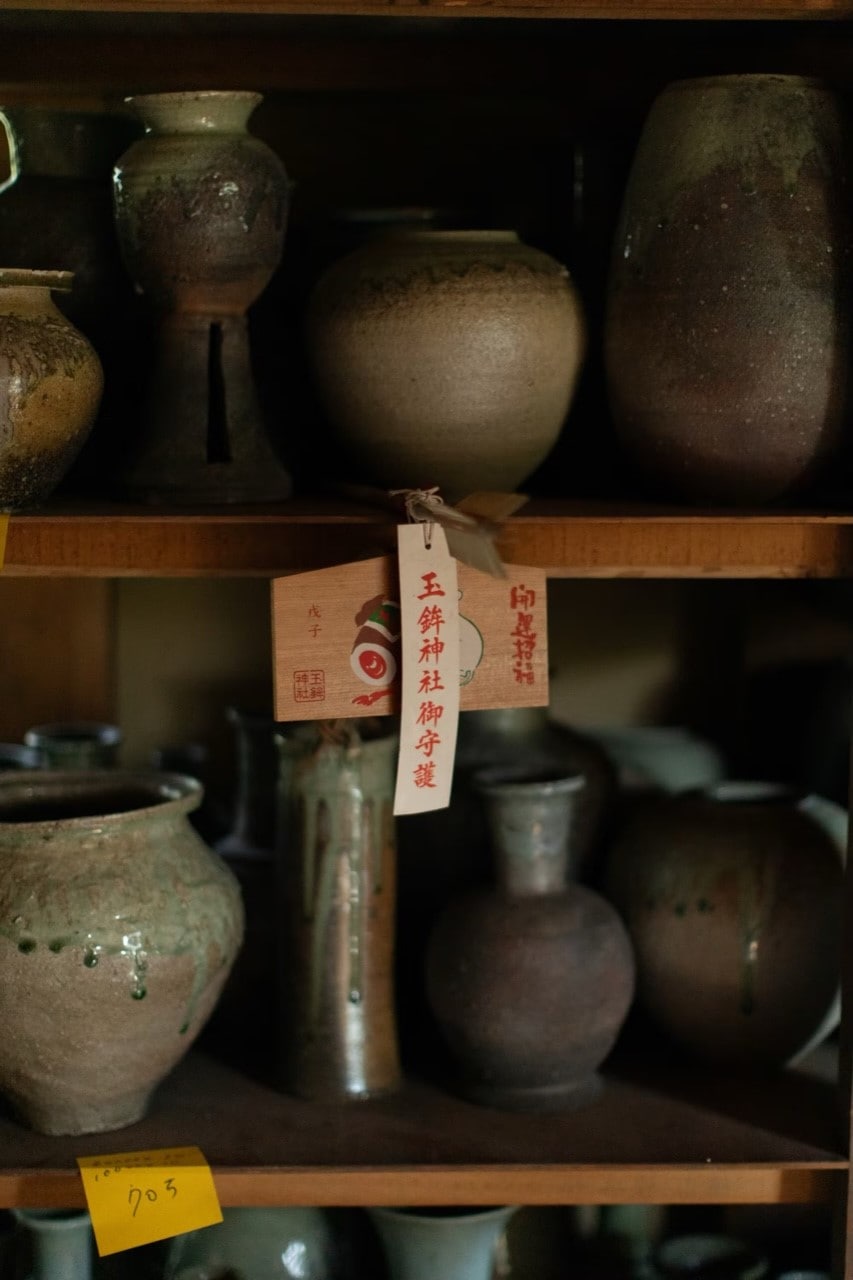
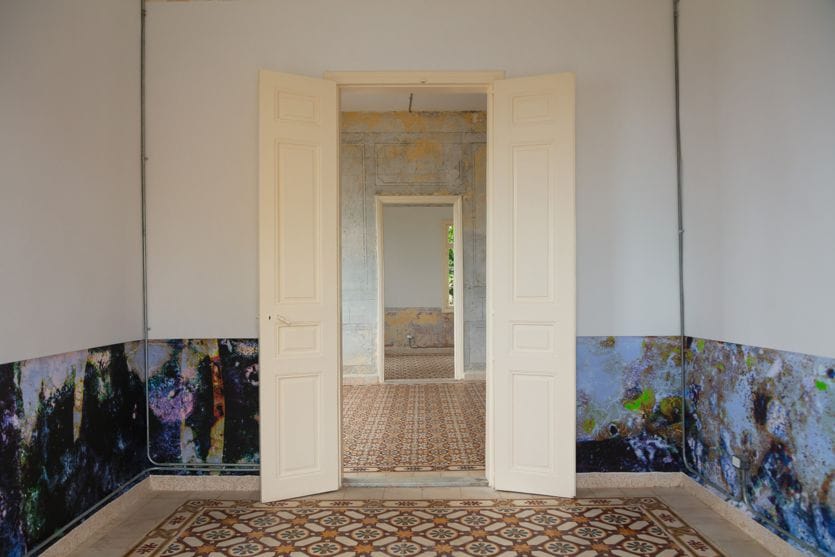
A ceramist by training, Gates has transformed disused neighbourhoods on Chicago's South Side into living laboratories of urban rebirth, reclaiming abandoned buildings and turning them into inclusive cultural centres. His work is a concrete response to inequality, a bridge between art and activism that believes in culture as an engine of social transformation. At the Milan Triennale he presents a special project, 'Clay Corpus', which combines craftsmanship, memory and the future. In the space of Casa Lana, the artist has built a research centre dedicated to Tokoname Japanese ceramics, bringing into dialogue the works of the "Koide" collection - handed down by the master Yoshihiro Koide, now without heirs - with reflections on the fate of artisanal knowledge on the verge of extinction. During the conversation the artist had with Farah Nayeri at the Triennale for Art for Tomorrow, several themes were addressed, but the most topical one concerned the changing political landscape in the United States. "We thought it was a joke," declared Theaster Gates, "but the dismantling of systems is real - and the right wing, at least in the US, is carrying it out with surprising effectiveness, profoundly affecting culture and everyday life. Precariousness has become the norm: all it takes is one phone call to find out that a friend has lost his job, and soon after, another one'. 'This situation,' he says, 'has driven us to a profound awareness: no one can afford to stay out of politics; the absence of participation has real consequences; rather than relying on leadership, everyone must act concretely to support their community. Change does not come from above, but from the sum of small everyday gestures'.
And with regard to another important issue facing American society, namely equity and diversity, for the artist, 'progress is scary and fear breeds violence; advances in equity and diversity have triggered a wave of deep-seated, often hidden but powerful fears; a section of society fears losing a cultural and symbolic heritage that it considers 'its own', and this fear - if not addressed with love and awareness - results in invisible violence, silent but real rifts. Sharing power remains taboo, and without a new form of coexistence, no one will surrender it peacefully. The consequence? A growing social discouragement that could, however, contain within itself the spark for radical change'. The artist, at the end of the conversation, admits: "I was not planning to talk politics at the Triennale, but today, more than ever, politics must enter everywhere, even where architecture, design or fashion are discussed, because there can be no authentic beauty without truth, conflict and collective responsibility".