Triumph Speed 400, how the small British modern classic looks and rides
The British manufacturer declines the combined retro and modern appeal of its large-displacement modern classics (Bonneville in the lead) in a model powered by a 400 cc single-cylinder engine: a successful downsizing?
3' min read
3' min read
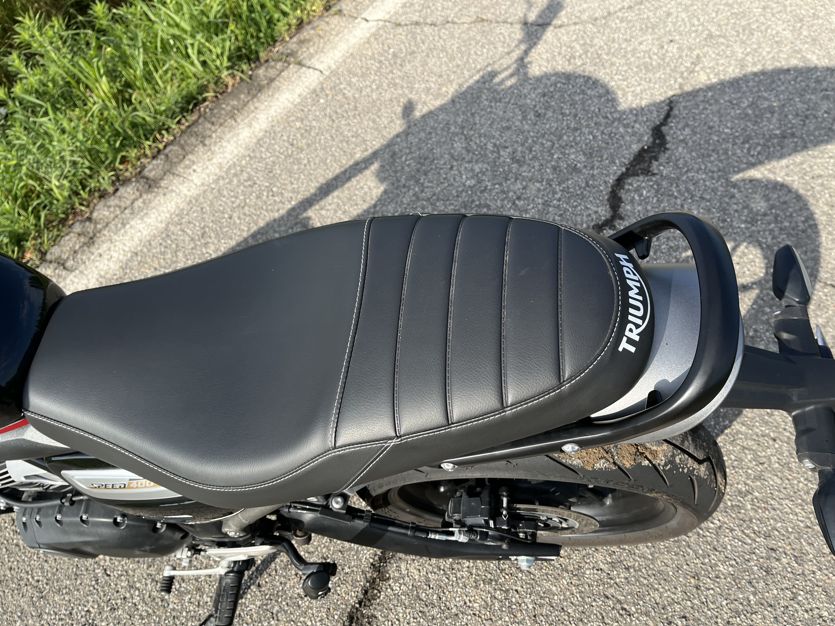
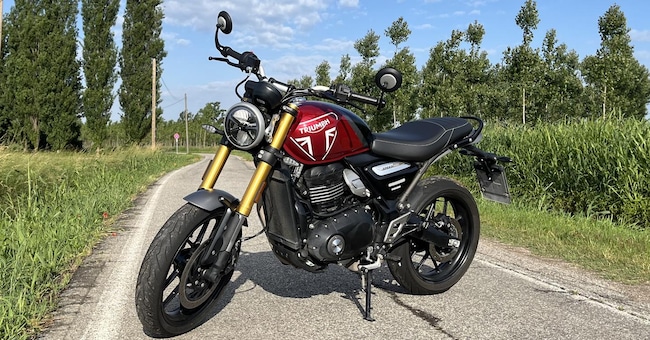
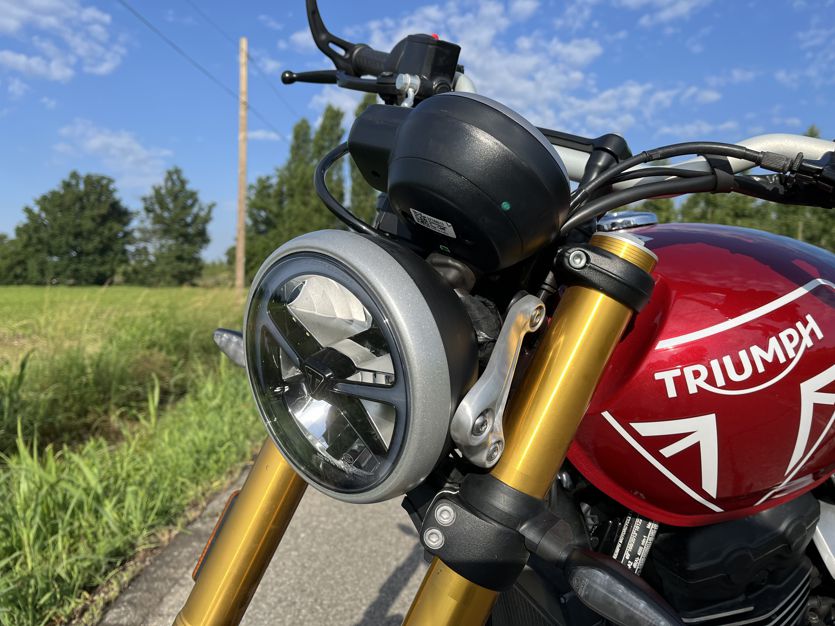
As Triumph announces the close of the 2024 fiscal year with 105% growth in Italy compared to pre-Covid 19 (2019), we put to the test one of the proponents of this remarkable growth, the little one of the house, the Speed 400 (€5,500), a naked that shares an engine with the Scrambler 400 X. The inspiration from which the Speed 400 was born is obvious: the Bonneville, a timeless model that took up, modernising them, the characteristics of the bikes of the sixties and seventies. Chromed details, 13-litre metal teardrop tank, one-piece seat and round front headlight combine with modern elements such as the digital display and LED lighting.
Brisk single-cylinder
.At the heart of the Speed 400 is an all-new, liquid-cooled, 398cc single-cylinder engine that develops a maximum power output of around 40bhp at 8,000rpm, with a maximum torque of 37Nm available first, at 6,500rpm. The wet multi-plate clutch is equipped with a slipper clutch function, which reduces lever effort and prevents the rear end from locking up when downshifting, and is mated to a precise, well-spaced six-speed gearbox. Electronic engine and throttle management are by Bosch: ride-by-wire technology makes power delivery linear and smooth, without jerking. Also from Bosch is ABS, which is combined with traction control as standard, which can be deactivated.
Cycling as a great
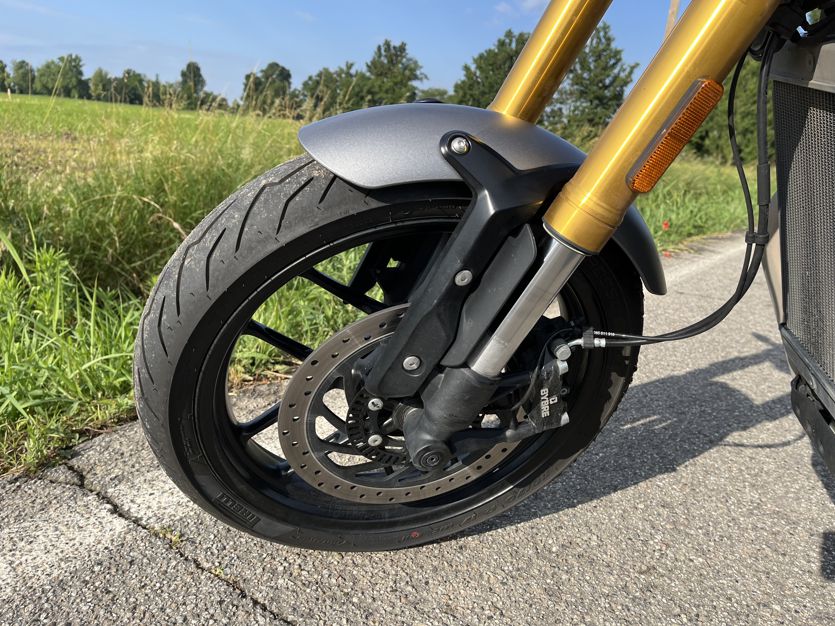
The chassis of the model features a tubular steel frame, to which the rear frame is bolted, and an aluminium double-arm swingarm; the centre section of the frame is slim to allow even less tall riders to put their feet on the ground; the 790 mm seat height and only 170 kg in running order do the rest to make the Speed 400 easy to ride. There's also a 'big boy' fork (43 mm in diameter), while at the rear a mono-shock system with external reservoir works. The 17-inch aluminium wheels mount a 300mm disc at the front and a 230mm disc at the rear.
How's it going
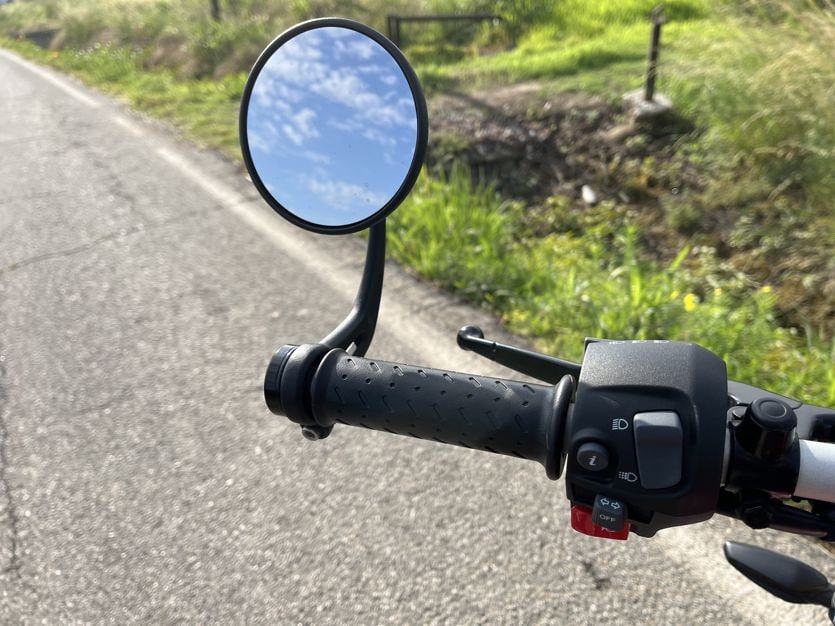
The Speed 400 was created to appeal to neophytes and to get those who have passed the 'age' back on two wheels. It must, therefore, be easy, both in handling with the engine off and in low-speed movements. Well, in the saddle of the English bike you stand with the stick erect, legs not too bent, arms outstretched: the position is comfortable and allows you to gain confidence quickly, thanks also to the wide handlebars that allow you to "row" a lot when you slip between cars at walking pace, paying attention to the mirrors, placed just at the same height as those of many car models (moreover, placed on either side of the handlebars, they perform their task very well). The instrumentation is mixed, analogue (speed, not very visible) and digital, with a display containing odometer, speedometer, fuel gauge and gear indicator. Starting the single-cylinder engine, what strikes immediately is its sound: it is not at all that of a small motorbike, on the contrary, it has a hoarse and powerful voice that makes one think of much larger displacements. What is surprising right from the first few metres is its agility: the wheelbase of just 1,377mm and 102mm of trail are indications of great responsiveness; this Triumph rides like a bicycle in a tight mix, thanks also to a very soft clutch lever. Even the engine surprised us: coming from an Eastern mono 400 that had not made us cry out for a miracle, running the English mono of the same displacement filled us with euphoria so much the English is progressive in delivery, ready and full-bodied even at medium-low revs (at high revs, however, there are vibrations on the footpegs and handlebars). The suspension is calibrated on the soft side: in two (two quintals in all) we easily managed to put the rear shock absorber in crisis, while the front is more supported. The braking is not MotoGP but neither is it 80s sports braking: it's powerful enough to stop in a short space of time, but without disrupting the bike's set-up, so it's panic-stop proof. On the motorway, 130 km/h is easily within reach, but there's no shelter: air and vibrations advise you to take little notice of roads with green signs.