
Trucillo, the coffee that is roasted without water
The Campania-based company is committed to water and energy-saving measures whilst at the same time improving product quality

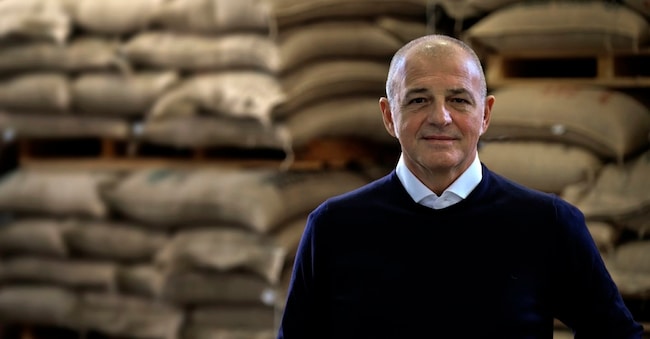
A sustainability model for Caffè Trucillo. The Campania-based coffee roaster, owned by the Trucillo family for three generations, has adopted a production process that does not use water in the roasting and cooling of the coffee. This solution has been adopted both to improve product quality and to achieve significant savings in resource use.
This decision is even more significant today, given that, according to the World Resources Institute’s Aqueduct Water Risk Atlas, the region in which Trucillo operates is classified as an area characterised by high or extremely high water stress. The company’s 2025 Sustainability Report highlights how, at a national level, available water resources have fallen by around 13 per cent over the last thirty years.
As early as 2025, water consumption for Trucillo’s production processes was zero: the direct water intensity of the process was 0 m³ per tonne of finished product. The total amount of water abstracted by the company in the same year, amounting to 1,406 m³, was used solely and exclusively for services, support activities and the maintenance of green spaces. No water is abstracted directly from surface or groundwater bodies, and the production processes do not generate industrial effluent.
Water is not needed to make a good cup of coffee. This fact becomes even more significant when one considers the roasting process. The European technical literature cited in the Sustainability Report indicates that roasting plants use an average of between 1.5 and 2.5 m³ of water per tonne of roasted coffee in their cooling or condensation systems. Caffè Trucillo’s facilities make it possible to completely eliminate the direct use of water from the production process. Water-based cooling can cause the beans to absorb moisture, with possible consequences for their weight and flavour profile. Furthermore, contact with water can cause the beans to break, compromising their uniformity and affecting subsequent processing stages.
Roasting is carried out using hot air, and both extraction and cooling are managed using air-based systems. The machinery is cleaned using food-grade detergents. This ensures that no water enters the roasting and cooling processes and does not come into contact with the coffee during these stages.


