
Trucks, companies in turmoil over ecological transition and vehicle size
In Italy electrification at the pole while operators invoke technological neutrality. Salvini: 'Against the European directive on mega-trucks'

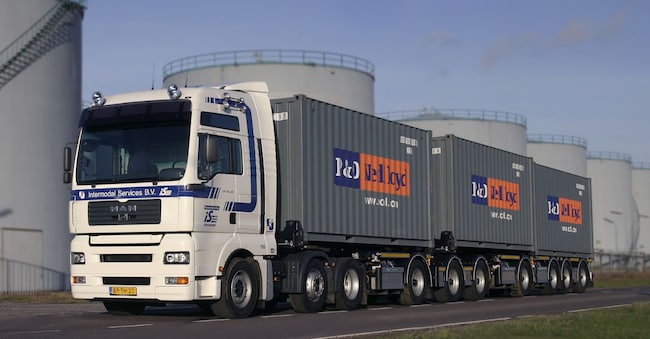
The future of heavy fleets is being played out in Europe. In particular, two dossiers will have a significant impact on business investments: the ecological transition and the revision of the EU directive on the weights and dimensions of trucks (Tir). On the first point, the position of Italian and European haulage companies is clear: yes to ecological transition, no to purchase mandates. The reference is to the European Commission's intention to introduce mandatory zero-emission vehicle (ZEV) purchase targets for transport operators. The idea is to accelerate the decarbonisation of heavy-duty fleets, reducing dependence on fossil fuels and promoting the adoption of electric and hydrogen technologies.
According to the haulage industry, what are termed 'mandates' risk distorting the market and imposing unsustainable burdens on companies, especially SMEs and family businesses, which are already struggling with rising costs and slim margins. According to companies, road transport is committed to decarbonisation, but believes that demand for zero-emission vehicles should grow naturally, once favourable conditions (widespread charging infrastructure, affordable costs, targeted incentives) are in place.
Technological neutrality
Italy, for its part, is engaged in an intense confrontation with Europe to affirm the principle of technological neutrality against the 'all electric' dogma imposed by the Commission: in other words, the possibility of using alternative fuels such as biofuels (such as Hvo biodiesel, which Eni obtains from vegetable or animal waste and which is already distributed in 600 stations throughout Italy, or biogas) as solutions to achieve the decarbonisation of heavy fleets. President Ursula von der Leyen has hinted at her willingness to accept technology neutrality for road transport as well. But for now they remain just words.
Says Massimo Artusi, president of Federauto (dealers): 'In Italy, the ecological transition in heavy transport is still at the starting point. In 2024, there were 213 registrations of electric trucks over 3.5 tonnes. I am surprised by the triumphalism of certain comments, which cling to the 115 per cent growth percentage compared to the 99 registered in 2023, while pretending not to read that the share of EVs in total registrations is 0.3 per cent. And if we want to stick to percentages, those 213 electric trucks represent 0.02% of a circulating fleet of 752 thousand vehicles. What is more,' Artusi continues, 'these are predominantly vehicles in the weight range immediately above 3.5 tonnes: in practice, slightly larger vans. Above this weight, the number of electric trucks registered in Italy last year was 19 between 5 and 16 tonnes and 24 above 16 tonnes (30 in 2023). And according to the fleet calculated by ACI, above 7.5 tonnes, only 26 were on the road on 31 December 2024. There is little to triumph over'. Even in countries where electrification of transport is more widespread, thanks to massive public subsidies, such as Sweden and the Netherlands, heavy battery trucks do not exceed 7% of the fleet. Artusi observes: 'The European targets, if they are not changed, will remain a chimera for everyone, at least as long as the regulations linking the decarbonisation of road transport solely to electric traction are in force'.
Anita (Confindustria) has also long supported technology neutrality. Says Anita president Riccardo Morelli: 'During the last EU Environment Council on the revision of the climate law, the Italian government supported our position, committing itself to introducing a clear indication of the need not to impose preclusions on technologies useful for achieving decarbonisation. At the same time, we recall the need for Member States to be supported in the path of ecological transition of road haulage through the allocation of European resources for the structural replacement of fleets'.


