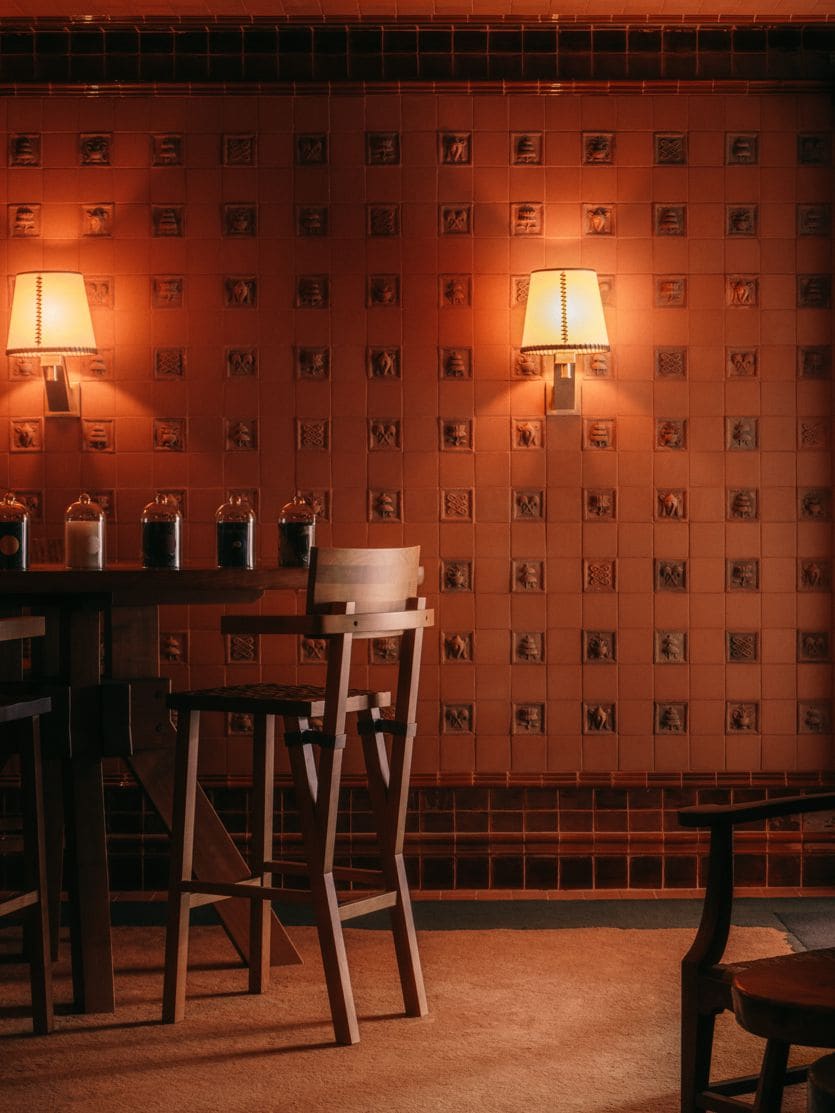
True Madrid spirit at Brach Madrid, Philippe Starck's latest story
The hotel is located in the historic Masserano palace, a sumptuous building along Gran Vía

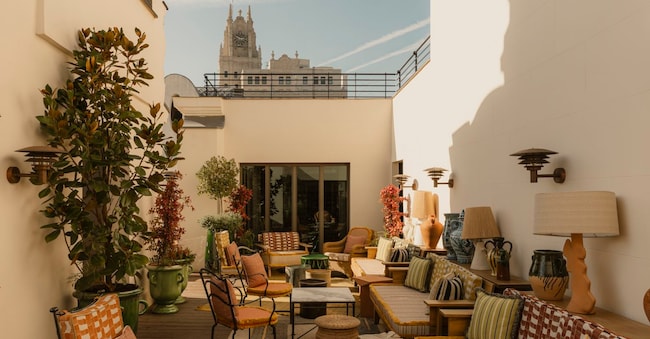
Philippe Starck strikes again. And as he gets older, he allows himself certain freedoms, such as taking on new projects to tell a story. He did this with Maison Heler, a cottage built on top of a skyscraper in Metz, France, designed as the setting for a novel that guests can experience as protagonists. At the Brach in Madrid, Evok's second hotel after Paris, his tale begins with a love story between a man and a woman who meet, love and lose each other. However, he does not give up, sets out to find her until he finds her, marries her and takes her to live with him in Madrid, in a sumptuous palace on the Gran Vía, the city's main artery. This is the narrative thread of the project, with photos of the protagonists taken with AI, the map of the journey framing the headboards of the beds, and many biographical clues to accompany them: boxing gloves, tambourines, castanets, Spanish guitars, fans to trigger the imagination.
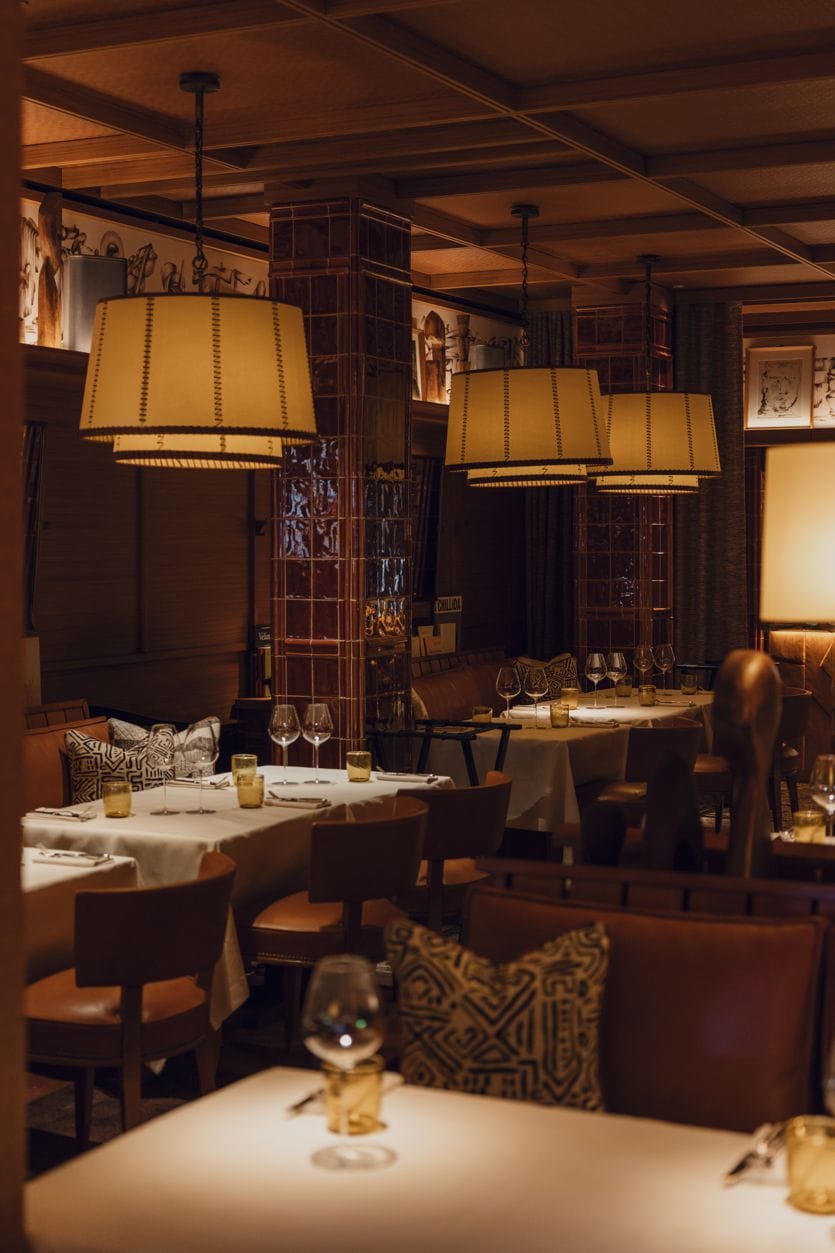
The History of Masserano Palace
While captivated by the romantic Art Nouveau-inspired setting, it turns out that Palazzo Masserano has an even more fascinating true story. Between 1811 and 1812, the writer Victor Hugo lived there as a child. In 1922, on the ground floor, Pidoux, Madrid's (perhaps Spain's) first cocktail bar, opened: behind the counter was Pedro Chicote, the most famous bartender in the history of national mixology. On the second floor, between 1939 and 1990, was Alfonso's photographic studio, which documented the Civil War with epic black and whites exhibited in museums. Today, with Starck's design bringing the atmosphere of the intellectual haunts of the early 20th century, one sits at the table of the bistro-bar-pastry shop, and with all these cues in mind one looks at paintings, books and magazines leaning informally against the walls, the open kitchen, the wines on display, the social life at all hours. There are hotel guests, but also many Madrileños, enticed by the cocktail and non-alcoholic drinks menu, the renowned 'croquettes' (they have been voted among the best in the city), the desserts that scream gluttony (how good is the Saint Honoré!). As is the menu to share: espresso babaganoush, marinated salmon, octopus with jalapeno, superfood salads.
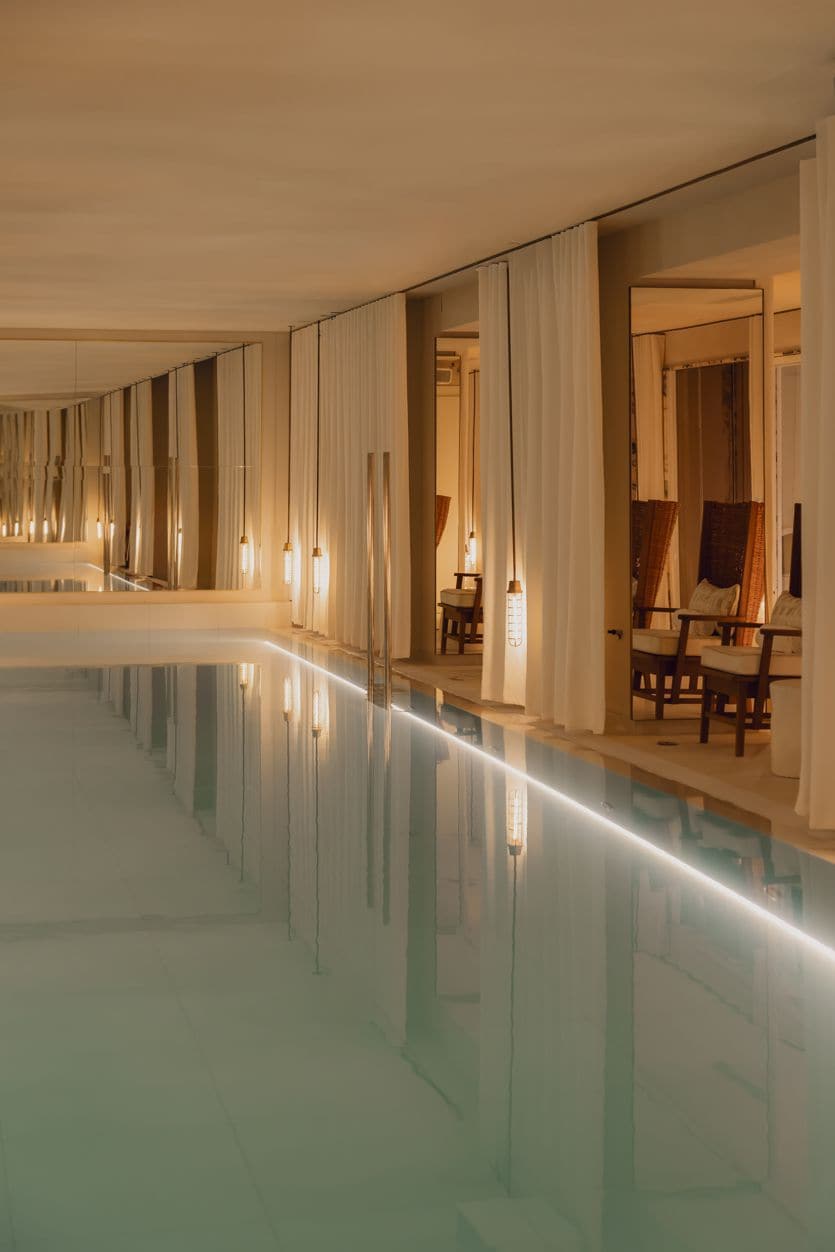
From nightlife to absolute relaxation
This hotel seems designed to cultivate the party spirit of the city. As a guest, it is convenient to be in the middle of the nightlife by taking the lift. But also being able to isolate yourself in the underground spa, muffled in the silence of soft white curtains, for a hi-tech facial, relaxation in the hyperbaric capsule or in a hot tub where you float as if in your mother's womb. Everything is cared for and it shows. The ceramics, the mirrors that hang everywhere (those in the bathroom are pieces of art), the colours, the fun take-away flip-flops and the possibility of asking, with quick delivery to your room, for a Casa di Carta-type mask that regenerates the skin on your face in a quarter of an hour, and the Dyson in the normal or curling-blossom version, a brilliant idea that clears the way for the concept of sharing even in the hyper-personalised world of the high hotel business and discourages theft (loans are tracked by the house keeper).
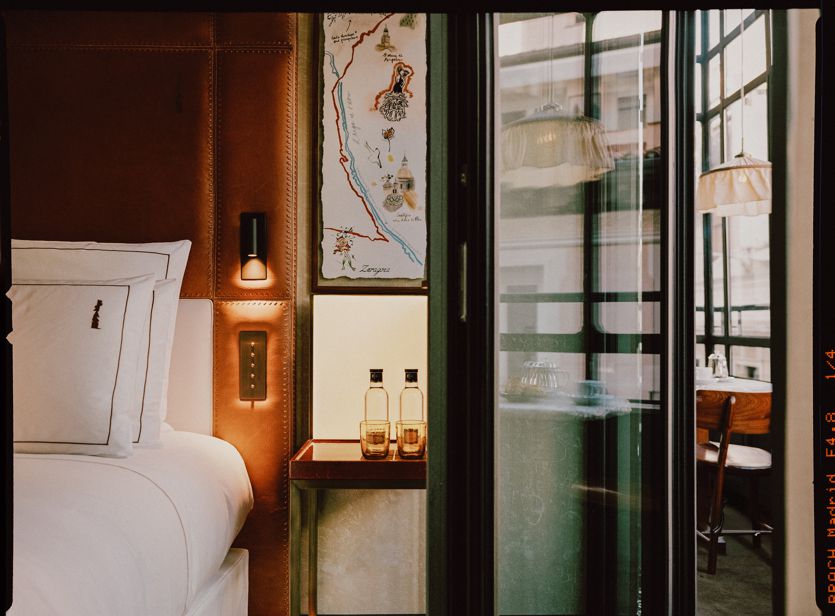
The top floor is a mix of coworking and relaxation spaces. There is a room furnished as a dinette with a lounge next to it that is also used for meetings, a terrace with a view of the Art Nouveau domes of the centre and an unexpected bronze of the She-wolf with Romulus and Remus right in front. Up there the noises are muffled, but in the rooms with bow windows, even though they overlook the busy Gran Vía, the silence is absolute. In early 2027, Brach opens in Rome, near Piazza del Popolo. Who knows what other invention the unpredictable Starck will have in store for us?