
Trump fires six national security officials: the shadow of Laura Loomer
The radical right enters the Oval Office. Purges, suspicions and personal loyalties shake the American bureaucracy

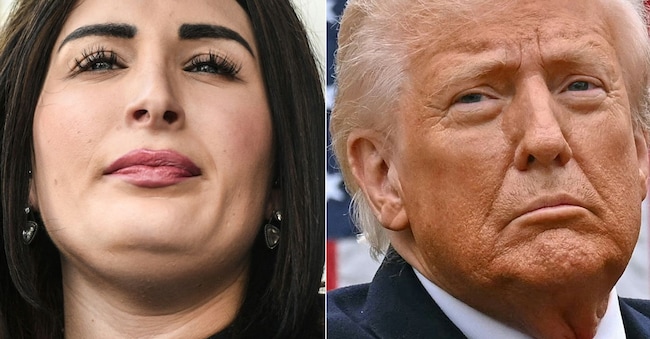
Six officials of the US National Security Council werefired on direct orders from President Donald Trump, in the aftermath of a meeting in the Oval Office with Laura Loomer, an activist of the American far right. This was reported by the New York Times. Loomer, known for spreading conspiracy theories about the 9/11 attacks and for her digital militancy in the service of Trump, personally presented alist of names deemed 'disloyal' to the president. The list was discussed in front of cabinet and staff members, with national security adviser Michael Waltz relegated to a marginal role. A few hours later, the purge began.
The White House denies the direct link between Loomer's visit and the firings, but the episode confirms the centrality that the criterion of "personal loyalty" has assumed in the Trump 2.0 administration, often exceeding that of technical competence. And it reveals the influence of external, non-institutional figures in shaping the top national security organisation chart.
Blacklist politics
The list of names brought by Loomer is just the latest incarnation of a broader phenomenon: blacklist politics. Civil servants, diplomats, analysts, judges: all potential targets if perceived as 'non-aligned'. The sacking of key figures such as Brian Walsh (intelligence),Maggie Dougherty (international organisations) and Thomas Boodry (legislative affairs) shows how devastating this logic can be for the machinery of state.
But Loomer does not act alone. In recent months she has publicly attacked numerous officials - including a senior member of the intelligence accused of being transgender and "of hating President Trump" - and founded a company to collect "opposition research". Those who are 'Loomered', as they say in Trumpian circles, are pretty much finished.
Loyalty as an absolute criterion
Loomer's intervention in the Oval Office, with the president listening and acting, marks a new level of personalisation of power. Trump made it clear: 'We will always let go of people we don't like or who might have loyalties to someone else'.


