
Trump's reversal: Ice leaves Minneapolis
Immigration czar Homan announces closure of special operation. The poll: six out of ten Americans accuse the government of excesses on migrants

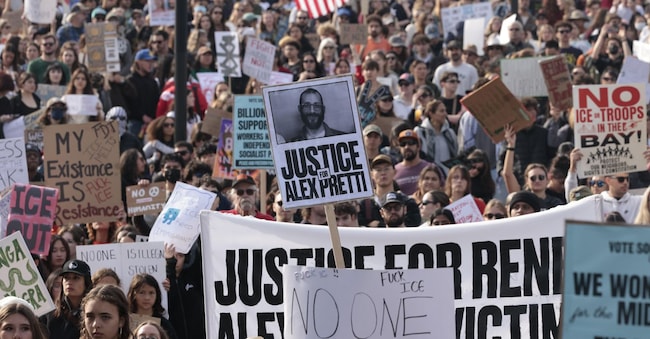
The Trump administration declared an end to the 'surge' in Minneapolis and Minnesota, the dramatic anti-immigrant offensive that at its height mobilised over three thousand federal agents armed to the teeth amid allegations of violence, abuse and the unprovoked killing of two American citizens.
"Operation Metro Surge is coming to an end," said border czar Tom Homan, Donald Trump's envoy to Minneapolis to try to bring the crisis under control. "Over the next week we will deploy the agents assigned here back to their home locations and to other areas of the country where they are required."
Homan, despite the controversy, celebrated the operation as a success: he claimed 4,000 arrests in the state and stated that 'thanks to our efforts Minnesota is now less of a sanctuary for criminals'. He also boasted more cooperation from local authorities, Governor Tim Walz and Minneapolis Mayor Jacob Frey, both Democrats.
The dry response was not long in coming. Walz condemned the administration's two-month offensive as an act of war: 'An unjustified and very often unconstitutional assault on our state. Which leaves us with serious wounds, traumas that will last generations. With economic rubble and many unanswered questions'. He pressed for reparations for the damage: "The federal government must pay for what it has destroyed". And he denied changes in state policy: 'Minnesota handles immigration exactly as it always has.
Trump turned the operation in Minneapolis into a showcase for his campaign against immigrants and illegal immigrants, a showcase which, however, ultimately turned into a boomerang: it revealed, critics charged, above all violence, violations of rights and often incompetence on the part of the mobilised forces. From the outset, Minnesota seemed to be primarily a political target: it is a state with few immigrants and very few illegal immigrants. The strategy on the ground soon degenerated: most of those detained or arrested were not charged with crimes; children were detained in raids near schools; peaceful demonstrators were attacked; residents were assaulted in their homes and cars, dragged forcibly into the street with windows smashed by rifle butts.


