
Trump suspends the 50 per cent tariffs on Canada: ‘We’ve reached an agreement’
The tariffs were set to affect 5 per cent of Canadian exports to the United States. Carney: ‘There is still a lot to be done’
From New York Luca Veronese
 Aggiungi Il Sole 24 Ore
ai preferiti su Google
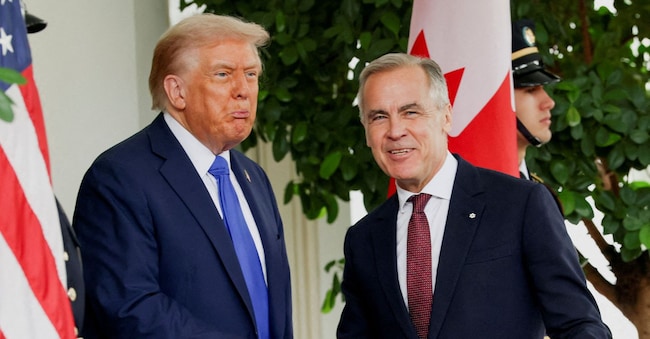
Donald Trump has announced that he has suspended the 50 per cent tariffs on goods from Canada for three days. “I have suspended the 50 per cent tariffs against Canada – which were due to come into force – for three days, as Canada and the United States, pending the finalisation of the documents, have reached an AGREEMENT!”, the US president stated on social media.
The new 50 per cent tariff was set to affect Canadian goods worth 20 billion dollars, equivalent to around 5 per cent of Canada’s annual exports to the United States: ranging from hockey sticks to electronic goods, plastics and building materials.
“We have reached an agreement with Canada; Canada was imposing huge tariffs on us, and we will no longer face any tariffs,” Trump added yesterday, without providing further details. The Office of the US Trade Representative, Jamieson Greer, explained that the deal includes improved access to the Canadian market for US products, along with ‘commitments on economic security’ and ‘alignment’ on issues relating to digital trade that have long divided the two countries. Trump also stated that the Keystone XL pipeline – a project scrapped by former President Joe Biden in 2021 after years of opposition from indigenous groups and environmentalists – “could be revived”.
Canadian Prime Minister Mark Carney, one of the few to join China in responding to the White House’s trade measures, stated that ‘talks with the United States have led to substantial progress, although there is still much work to be done’. “We continue to seek a constructive dialogue; in the meantime,” said Carney, “Canada remains focused on building a stronger, more independent and more competitive domestic economy.”
The new tariffs, announced a month ago, would have risked triggering a new trade war. For Trump, they were intended as a response to Canadian bans on American alcohol, Canadian protectionist measures for the dairy industry, and restrictions on cars imported from the US.


