
International Criminal Court: Trump tightens the noose – President Akane also sanctioned
Sanctions against judges, threats to the institution and pressure on Member States: in a year and a half, the White House has broadened the scope of its confrontation with The Hague

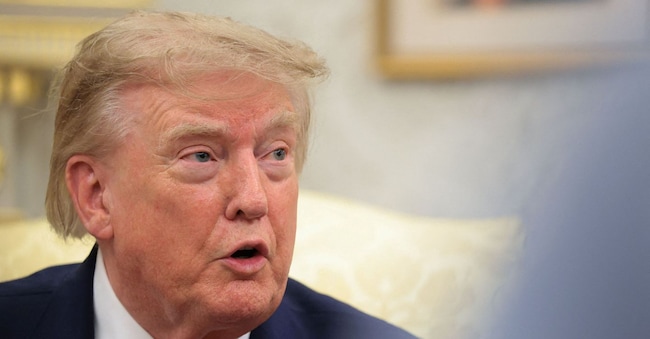
First the prosecutors, then the judges. Now the president. Donald Trump has imposed sanctions on Tomoko Akane, the Japanese judge presiding over the International Criminal Court (ICC), taking the offensive launched against the institution upon his return to the White House right to the very top of the Hague-based organisation. A battle that arose over the proceedings concerning Israel and the an old investigation into Afghanistan has, within the space of a year and a half, turned into an open clash over the limits of the Court’s jurisdiction.
The Court’s response was not long in coming; in a press release, it stated that the sanctions ‘undermine the rule of law’, adding: ‘When judicial officials are threatened for enforcing the law, it is the international legal order itself that is put at risk’.
For Akane, being placed on the US Treasury’s blacklist means the freezing of any assets under US jurisdiction, but above all the risk of being cut off from part of the international financial system. The impact of the sanctions, in fact, extends beyond US borders: banks, payment networks and companies with interests in the United States may sever ties with those affected to avoid exposing themselves to risk.
The judge who has found herself in the White House’s sights is none other than the one who in recent months has been the most vocal in denouncing the risk that American pressure could compromise the independence and functioning of the ICC. It all began a few weeks after Trump’s return to the Oval Office, when the President signed Executive Order 14203, accusing the Court of ‘illegitimate’ actions against the United States and Israel and authorising sanctions against anyone participating in investigations or proceedings involving American citizens or allied countries that are not signatories to the Rome Statute.
The first target was Karim Khan, then Chief Prosecutor of the ICC, who had requested the arrest warrants – subsequently issued – against Israeli Prime Minister Benjamin Netanyahu and the then Defence Minister Yoav Gallant for alleged war crimes and crimes against humanity committed in Gaza.


