
Short-term lettings: the Tuscany Regional Administrative Court upholds the ruling in favour of remote check-in
The judges’ clarification in their rejection of an appeal by a flat manager in Florence against the local council’s regulations

Key points
Operators of accommodation facilities intended short-term rentals must verify the identity of their guests in person, but the check-in requirement may also be fulfilled remotely using electronic devices, such as cameras. This is the principle reaffirmed by the Regional Administrative Court of Tuscany in its judgement rejecting the appeals lodged by a flat management company in Florence (Valerix srl) against the municipal police regulations and those governing tourist lettings in the Tuscan capital.
The Ministry of the Interior’s circular and the court rulings
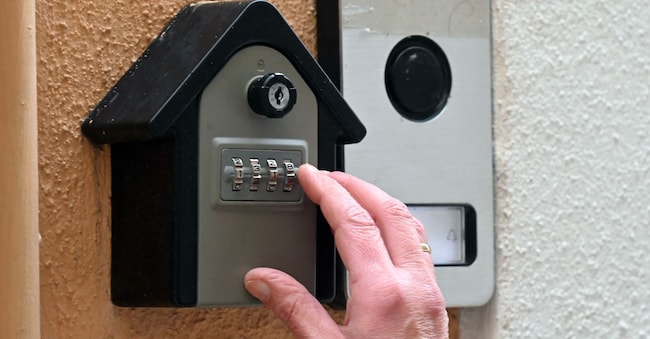
In dismissing the appeal, the Tuscan administrative judges retraced the events surrounding this contentious issue in the management of short-term lettings. Starting with the circular of 18 November 2024, in which the Chief of Police had highlighted the illegality of the practice whereby operators receive copies of identity documents electronically and grant access to accommodation using electronic codes for automated entry or via keys left in ‘key boxes’. This method does not allow for the identification of guests through face-to-face verification to ensure that the persons staying at the accommodation match the documents provided.
Visual identification, even remotely
A circular that had been revoked shortly after the ruling in Lazio Regional Administrative Court because, in the opinion of the administrative judges, it introduced an obligation to identify individuals in person not provided for in the Consolidated Law on Public Security (Article 109).
Finally, the Council of State, which overturned the Regional Administrative Court’s decision with some decisive observations on the Interior Ministry’s circular: to identify guests at the accommodation video-linking devices may be used at the entrance to the premises to verify the correspondence between the guest and the holder of the identity document presented or transmitted via another channel upon entry to the premises.
However, the following remain prohibited, as emphasised by the Regional Administrative Court of Tuscany, citing the ruling of the judges at Palazzo Spada, ‘remote identification (and access) procedures consisting solely of the collection of guests’ identity documents, without any form of visual verification that the holders of those documents are the same persons who are physically entering the premises’.


