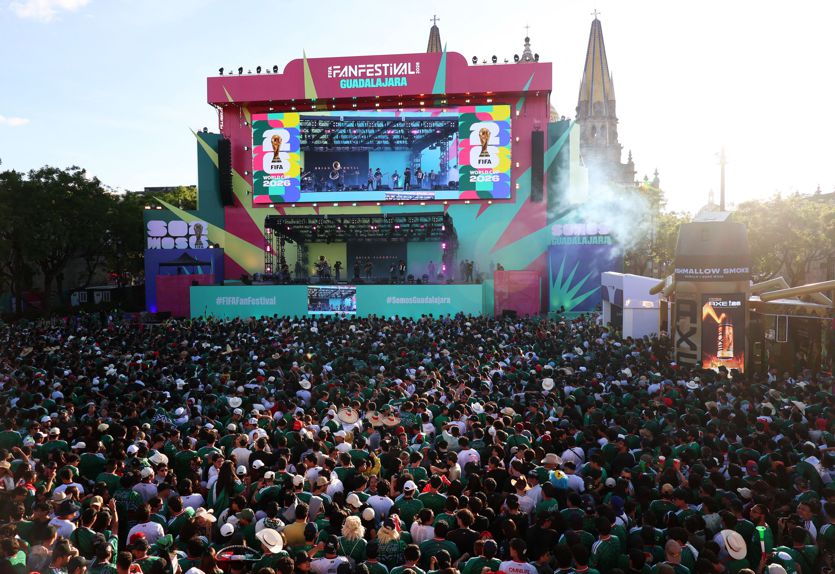
Two million visitors in 14 days at the FIFA Fan Festivals
Alongside the matches in the stadiums, FIFA has organised fan zones in 13 host cities across the US, Canada and Mexico, with simultaneous events combining sport, music and local culture
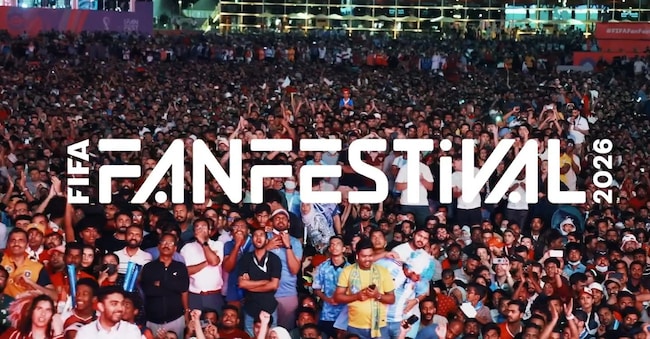
FIFA World Cup fever is sweeping the streets too. The FIFA Fan Festivals have already attracted over 2 million visitors in the first two weeks of the tournament. This symbolic milestone reflects not only the global passion for football, but also the success of a widespread entertainment model that transforms entire cities into experiential hubs.
After the first 24 matches, which concluded on 17 June, the attendance figures stood at 1,992,302, rising to over 2 million in the hours that followed. This result is a testament to FIFA’s decision to expand and develop the Fan Festival concept, taking it to an unprecedented scale: 13 host cities across the United States, Canada and Mexico, with simultaneous events combining sport, music and local culture.
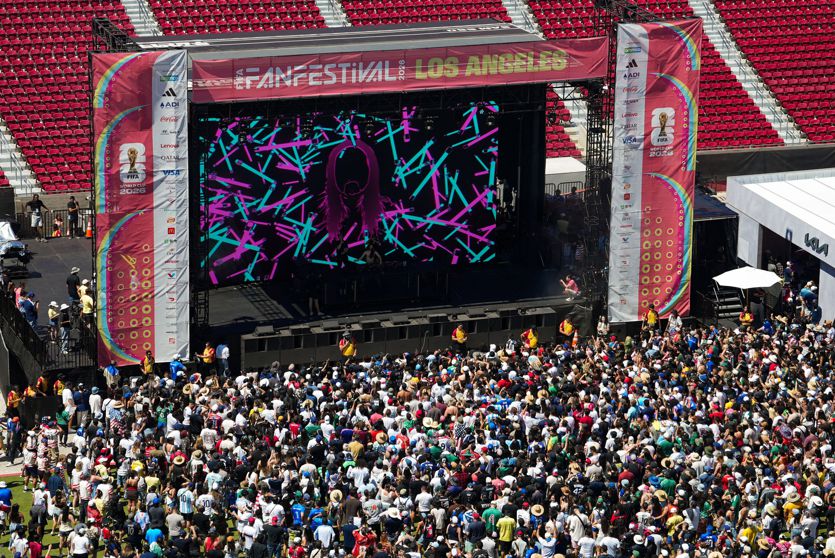
Whilst venues in North America — particularly the United States and Canada — are consistently operating at near-capacity, it is Mexico that tops the attendance rankings. Mexico City tops the list with over 527,000 visitors, followed by Monterrey (244,710) and Guadalajara (218,424). These figures reflect not only the country’s footballing tradition, but also its ability to engage communities and boost tourism during global events.
The interesting point, from a sports economics perspective, is precisely this: the Fan Festival is no longer merely a ‘satellite’ of the main event, but a strategic tool for engagement and monetisation. Public squares, such as the Zócalo in Mexico City, fill up with people not only to watch the matches on giant screens, but also to enjoy a programme of events that increases visitors’ time spent at the venue and their per-capita spending.
FIFA President Gianni Infantino also emphasised this, highlighting that the aim was to create inclusive spaces for local residents and international fans: places where football intertwines with entertainment and local identity. The public’s response — described by Infantino as “fantastic” — thus serves as an indicator not only of the project’s success but also of its as yet untapped commercial potential.