
Heavy Russian bombardment of Kharkiv. Further EU sanctions against Moscow
The 27 member states emphasise that, ‘until there is a just and lasting peace in Ukraine, Russia’s participation in international sporting and cultural events should not be normalised’, according to the leaders’ conclusions.
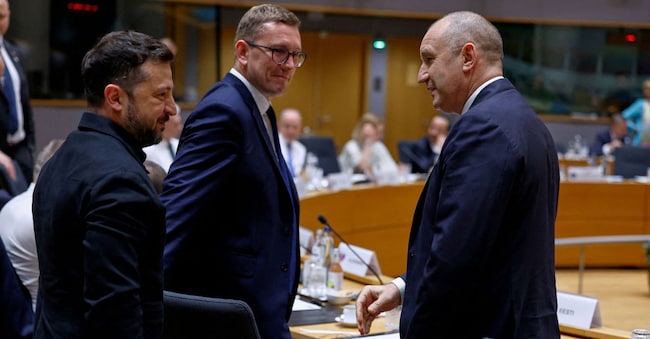
Whilst European leaders are gathered in Brussels for the European Council meeting, where, amongst other things, they discussed the enlargement process in Kyiv and their role in any potential negotiations with Moscow, Russian bombardments continue on the ground, having targeted the city of Kharkiv last night. Russian forces launched several glide bombs, damaging dozens of homes and injuring at least six people. This was reported by local authorities, according to the Kyiv Independent.
The mayor of Kharkiv, Ihor Terekhov, wrote on Telegram that the attack struck the city’s Kholodnohirskyi district. The Ukrainian Air Force had issued an air raid alert for the dropping of glide bombs at around 3.30 am local time. According to Terekhov, more than 40 homes were damaged in the attack and at least six people were injured.
Kharkiv, due to its proximity to the front line, is regularly targeted by Russian attacks and has suffered several significant raids over the past week. On 15 June, a Russian ‘double-tap’ attack killed four rescue workers and injured six others after they had arrived at the site of a previous bombardment. The day before, the Kharkiv Art Museum had been struck by a drone, causing a major fire and injuring four people, including a one-month-old baby.
The new attack on Kharkiv comes a day after what is described as Ukraine’s largest drone attack on Moscow since the start of the full-scale Russian invasion, which caused damage to the oil refinery in Moscow.
Meanwhile, in Brussels last night, the leaders of the 27 European Union countries unanimously adopted the conclusions of the summit on Ukraine and decided to extend the sectoral sanctions against Russia for 12 months, according to the spokesperson for the President of the European Council, Antonio Costa.

