
Ukraine: the Abu Dhabi trilateral meeting gets underway. Glimmers of hope for a European role
National security advisers from France, Germany, Italia and the United Kingdom will be in attendance, along with representatives from the EU and NATO. Meanwhile, an attack carried out by Belarusian hackers reveals that 450,000 soldiers are believed to have been killed since the start of the war

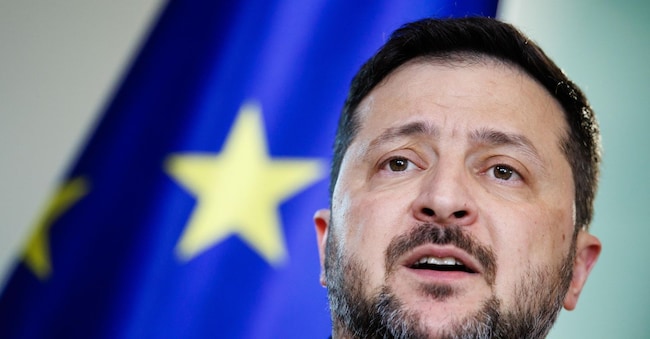
“I would temper expectations,” replied Norwegian Prime Minister Jonas Gahr Støre to Politico, which had asked him for his views on the Ukraine negotiations scheduled for today and tomorrow in the UAE: “Abu Dhabi is just a stepping stone, which should be followed up on in the near future.”
A first step, after more than eight months. The dialogue between the Russians and Ukrainians, mediated by the United States, revisits the issues discussed without result until last February: security guarantees for Ukraine, and the future relationship between NATO, Europe and Russia. But whilst Kyiv has, in the meantime, turned the situation on the front line to its advantage – with the impact of its attacks on Russian refineries still being felt – Moscow’s territorial claims have remained unchanged, as has its opposition to even a partial ceasefire. The majority of observers therefore remain sceptical about the outcome of the talks, which will not be able to spare the Ukrainians a fifth winter of bombardment – from which Vladimir Putin hopes to see, come spring, a country worn down and more inclined to accept his terms.
On the eve of the negotiations, however, it is worth noting a number of signs that could influence the discussions and leave their mark: enabling a process to be set in motion, as the Norwegian Prime Minister hopes, and allowing at least the next step to be planned. A first development concerns a European presence in Abu Dhabi, agreed upon by Ursula von der Leyen, President of the European Commission, and Volodymyr Zelensky. This involvement continues to be officially opposed by the Kremlin: formally, the negotiations will remain trilateral, as spokesperson Dmitry Peskov clarified yesterday, whilst admitting, however, that the Americans and Ukrainians ‘have their own channels of communication with the Europeans’, through which they coordinate their positions.
Putin himself emphasised the importance of establishing contact with Europe, welcoming the telephone call he received in recent days from Støre and the Finnish President, Alexander Stubb. According to sources close to the Kremlin, as reported by Vlast, this conversation may have gone into greater depth than the American negotiators have managed so far. According to the sources, the phone call may lead to further negotiations: this is evidenced by the fact that Putin asked his interlocutors to maintain absolute confidentiality regarding the details of any potential agreements or compromises.
Meanwhile, national security advisers from France, Germany, Italia and the United Kingdom, as well as representatives from the EU and NATO, will be present in Abu Dhabi. It was Rustem Umerov, head of foreign intelligence and the Ukrainian delegation, who confirmed Italy’s participation and explained that the Ukrainians will meet with their European partners separately from the trilateral ‘format’.


