
Ukraine: G7 steps up pressure on Moscow – new sanctions on gas and oil on the horizon
The war in Europe dominates the second day of the summit. Trump meets Zelensky, says he is ready to reimpose sanctions on Russian oil and urges: ‘Russia must reach an agreement with Ukraine’. On Iran, the US president says ‘we are moving on to the second phase’. Today marks the final day of discussions on global imbalances and artificial intelligence
by Sergio Nava
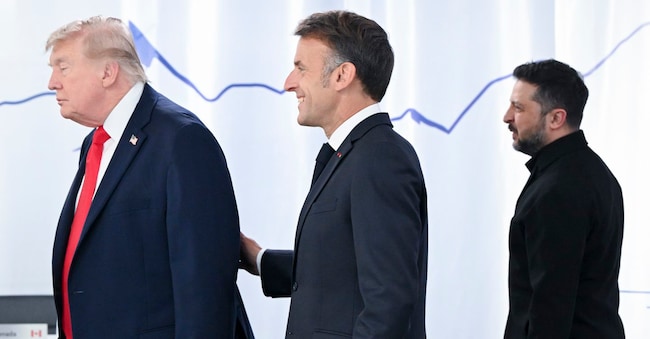
EVIAN-LES-BAINS – With the peace agreement between the United States and Iran now in place – though the details still need to be clarified and worked out ahead of Friday’s signing in Lucerne – yesterday’s G7 summit in Evian turned the spotlight on the other front in the war, capitalising on the US’s renewed determination to intervene in favour of a peaceful resolution to the conflict between Russia and Ukraine. Sources from the French presidency have outlined the main points of the agreement, pending the summit’s final communiqué: to increase pressure on Moscow to end the war against Kyiv, by imposing further energy sanctions, particularly on gas and oil.
“Russia must reach an agreement with Ukraine,” said US President Trump on the sidelines of the summit, describing his face-to-face meeting with his Ukrainian counterpart Zelensky – which lasted about twenty minutes – as “good”. The meeting was facilitated by French President Macron, in an unscheduled morning session that delayed the summit’s proceedings. The Ukrainian president’s subsequent arrival in the G7 chamber, where the other leaders were waiting, appeared to confirm Trump’s assessment, with a smiling and apparently satisfied Zelensky commenting immediately with European Commission President von der Leyen on the outcome of the previous one-on-one meeting.
Later, speaking via video link at the Reuters Next Summit, Zelensky went into more detail: “The G7 has agreed that Russia is not winning; on the contrary, it is losing many soldiers. Moscow must reach an agreement as soon as possible,” he began, specifying that the seven leaders had discussed new sanctions against Russia targeting oil, the shadow fleet, banks and the military sector. Zelensky revealed that he had received an offer from Trump regarding missile support – Kyiv has long been asking Washington for a licence to produce Patriot missiles locally. A few hours later, Trump appeared to extend a further olive branch to Ukraine, announcing that he was about to reinstate US sanctions on Russian oil, which had been suspended in recent months due to the conflict in the Gulf and the shortage of crude oil.
“The tide is turning for Ukraine; the situation is very different from last year,” noted Commission President Von Der Leyen, who recalled the first disbursement of the €90 billion European loan to Kyiv and announced a support package for the coming months ahead of winter.
The UK has announced a new round of sanctions against Russia, which will target the so-called ‘shadow fleet’, illicit financial networks and military supply chains used by Moscow to circumvent Western restrictions. Similar measures have been announced by Canada, which has added energy revenues and those responsible for disinformation campaigns to the list.

