
Ultra-processed foods to avoid and the challenges facing a Europe of health and peace
Unhealthy food (consumed mainly by young people) which is harmful to those who eats it, as well asthe public purse

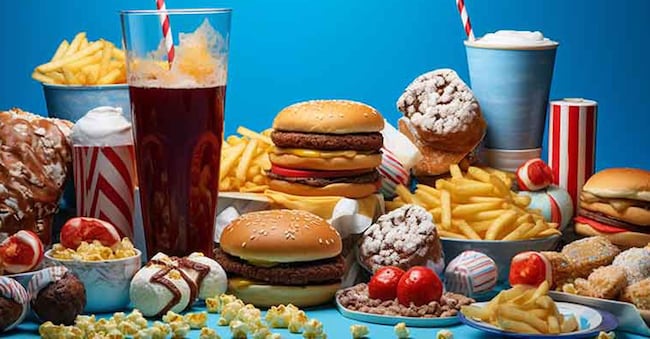
Around 10,000 billion dollars a year. This is the estimate – set to rise rapidly – of the healthcare costs arising from the spread of so-called ultra-processed foods. This is according to leading studies, including the FAO’s report on the state of agriculture and food, which for years have been issuing – to no avail – calling for regulatory action to halt what is already a global health emergency – one that is causing millions of people to fall ill and die, and which risks bringing national healthcare systems to their knees within a few years. We are talking about unhealthy food.
Calorie bombs coated in additives, colourings, artificial sweeteners, emulsifiers and many other substances that make what is, in reality, rubbish for our bodies seem appetising.
The consequences include a rapid rise in metabolic syndromes, obesity and type 2 diabetes, particularly amongst young and very young people. But also depression, anxiety, coronary heart disease and cancer, particularly of the colon and rectum.
This is what science tells us, with evidence that is increasingly solid and irrefutable, yet which those responsible for regulating the market continue to ignore. In this regard, the European Commission has a duty to protect its citizens and the sustainability of the healthcare systems in member states, but it remains inactive.
And yet, for years there has been debate about how to inform consumers about the risks of poor dietary choices. Obviously, this has been done in the most inappropriate way possible, by attempting to reward those who wish to produce food artificially, using chemicals. An excellent way to make a profit at the expense of consumers. High profits that guarantee margins far greater than those generated in the countryside, in dairies and in many industrial plants that skilfully showcase the products of our agriculture. It is a business that today generates over 3,000 billion dollars a year globally, with growth rates forecast to exceed 10 per cent in the coming years.

