
Umbria: investment in the hospitality sector, from towns to hilltop resorts
In 2025, there were 3 million arrivals and nearly 8 million overnight stays

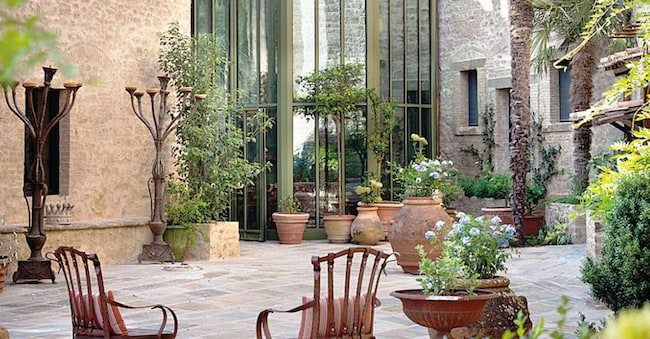
A region waiting to be discovered, offering lush green hills, unique vistas and an authenticity preserved by the fact that it is less easily accessible than other Italian destinations. This is the appeal of Umbria, which is now being rediscovered by domestic and international tourists and is attracting increasing attention from investors in the hospitality and property sectors.
The luxury hotel market offers interesting opportunities, driven by growth in tourist numbers. In 2025, the region recorded 3 million arrivals and nearly 8 million overnight stays, representing increases of 9.1 per cent and 8.5 per cent respectively compared with the previous year. Growth in the international segment was significant: international arrivals rose by 23.5 per cent and overnight stays by 16.3 per cent.
Simona Meloni, a regional councillor responsible for various areas including tourism and sport, explains the reasons behind this. “Umbria has always been a region capable of attracting tourists, yet it has managed to retain its own identity and strong ties to the local area,” she observes. The change gained momentum with the pandemic. “At that time, people were looking for open spaces, tranquillity and places with a low population density. Umbria, with its vast green spaces and a population of around 850,000, was well-suited to this need,” says the interviewee. This demand now also includes remote workers and digital nomads.
The region has moved beyond its role as a lesser-known alternative to Tuscany. “It has become a destination in its own right, capable of capturing the so-called ‘quiet luxury’, alongside wellbeing and authenticity,” emphasises Meloni. This positioning finds its distinctive features in nature, spirituality, walking trails, culture and food and wine. “According to our surveys, between 25 and 30 per cent of visitors to Umbria are also interested in a food and wine experience.” The aim is to make these experiences available all year round, moving beyond the traditional seasonal events. This positioning is also reflected in growing interest from the hospitality sector. The supply of truly luxury accommodation remains relatively limited compared to the region’s potential. This opens up opportunities for new resorts, boutique hotels and high-end relais, particularly in and around Assisi, Todi, Orvieto, Perugia, Spoleto and the Umbrian countryside. These hotels join historic establishments such as the Park Hotel ai Cappuccini in Gubbio (owned by the Colaiacovo family), a relais frequented by well-known figures from the worlds of finance and culture and long renowned for its fitness and wellness facilities, and in Reschio (see article on this page).
Hilton has arrived in Perugia with La Rosetta, and rumour has it that Hilton is also in talks to take over the management of the two hotels and two restaurants at Postignano Castle in Valnerina. Mandarin Oriental has chosen the private residences at Procopio Castle, in the Perugia area. A 12th-century fortress, restored and transformed into an exclusive eight-bedroom property, designed to accommodate up to 16 people.
Brand connect


Newsletter RealEstate+
La newsletter premium dedicata al mondo del mercato immobiliare con inchieste esclusive, notizie, analisi ed approfondimenti
Abbonati