
Umbria pushes the accelerator on cultural and creative enterprises

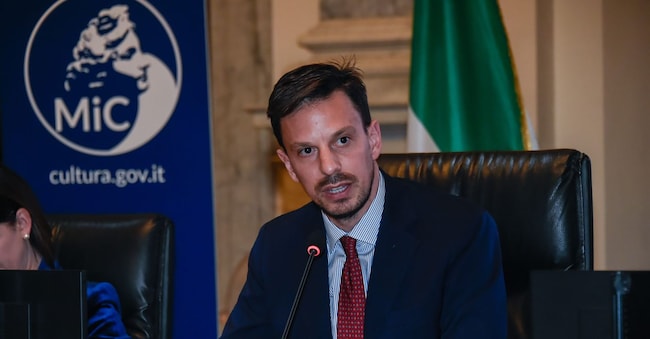
The Region of Umbria is revising its regulations on culture and entertainment with a single text, approved by the Council and soon to be approved by the Council, which aims to reduce the fragmentation and lack of homogeneity that have accumulated over time, introduce new institutions - such as creative enterprise, cultural welfare and the art bonus - and increase the resources allocated to the sector. The resources allocated for the next three years (2026-2028) rise to over 30 million euros, thanks to the doubling of direct regional funds (from 1.5 to 3 million euros per year); the use, for the first time in this sector, of European ERDF funds (5.4 million for the regeneration of cultural attractions and 6 million for cultural and creative enterprises); and the use of the national Development and Cohesion Fund (10 million for cultural heritage)."It is a change of pace, a new season of dynamism," says the regional councillor for Culture, Tommaso Bori, who has promoted an event on 31 March in which more than 500 cultural operators will participate in order to co-design the regional calls for proposals that will be published in the following weeks. The winners of the tenders will receive grants for three years, provided they implement the projects presented. The three-year programme is designed to give stability and continuity to the work of the operators. 'Until now, only 1.5 million per year were allocated to culture in the regional budget,' adds Bori, 'now we have introduced a three-year programme with far greater resources. It is a political choice that fills a fragility that was there'. The fragility, highlighted every year by the report on culture by the Symbola Foundation and Unioncamere, consists in the fact that Umbria is a region with a very high cultural vitality, first in Italia for the number of shows per thousand inhabitants, which are a great success with the public (Umbria Jazz being the first) but it has not so far succeeded in transforming this energy into enterprise and wealth for the territory. "The introduction of cultural welfare makes it possible to bring cultural operators into places of marginality such as foster homes, hospitals, prisons," adds the councillor, "while the provision of the art bonus makes it possible to use this instrument for regional works, something which until now was not envisaged. The law is not limited to economic support, but introduces instruments such as the Regional Observatory for Culture, the permanent workshop for a creative region, the recognition of live clubs as fundamental spaces for contemporary music, and introduces for the first time the ninth art (comics and manga), recognising equal artistic dignity with respect to more traditional forms.

