
A Milan-based ‘shadow bank’ has been dismantled, with assets worth 2.5 million seized
The scheme enabled the evasion of tax and the laundering of the resulting illicit proceeds through a complex network of shell companies. Seven precautionary measures have been implemented, and an accountant is also implicated.

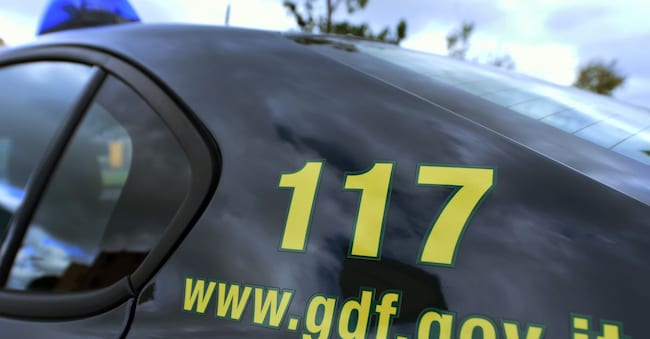
Sophisticated and invisible. That is how the Guardia di Finanza described the ‘shadow bank’ at the centre of the investigation that led to the execution of seven precautionary measures and the seizure of assets totalling 2.5 million euros. The charges against those involved are tax fraud and money laundering.
The Gdf operation
The Guardia di Finanza has dismantled a full-scale illegal financial network that relied on a ‘shadow bank’ used to evade tax and launder the resulting illicit proceeds. The operation, carried out by the Milan branch of the Gdf, follows on from the searches conducted on 15 May, during which assets worth 1.7 million were seized. Added to this figure are over 800,000 euros’ worth of assets and financial resources that were seized at the same time as the execution of the seven pre-trial detention orders.
Four individuals are now under house arrest; an accountant has been banned from practising his profession; one person is required to report to the judicial police; and another is subject to a residence order.
Underground banking system
According to the reconstruction by the Guardia di Finanza, the illicit scheme consisted of four stages and was linked to the underground banking system: with the aim of circumventing anti-money-laundering controls, cash was transferred outside the official, regulated financial channels.
The first phase centred on so-called shell companies – or paper companies – which issued false invoices for a total turnover estimated at 134 million euros. These were legal entities managed by Italian or foreign frontmen who offered Italian companies operating in the ferrous metals sector an illegal service involving the issuing of invoices for non-existent transactions. The accountant involved in the investigation, according to the findings, is alleged to have assisted the organisation in setting up the network of shell companies tasked with issuing the false invoices.

