Unesco alarm: thousands of looted artefacts from the Khartoum Museum on the way
With the withdrawal of the armed forces, an estimate is made of the cultural goods looted from the Sudan National Museum and exported for sale on western markets
3' min read
3' min read
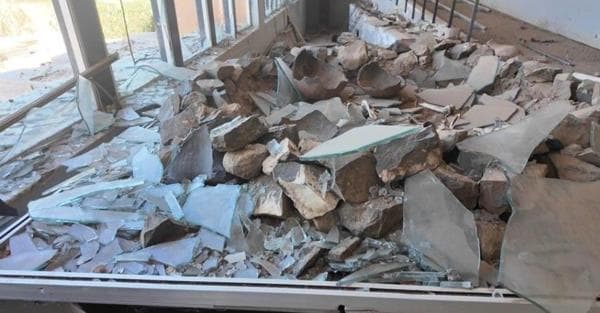
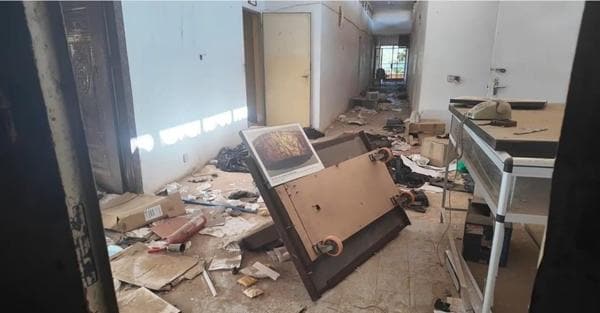
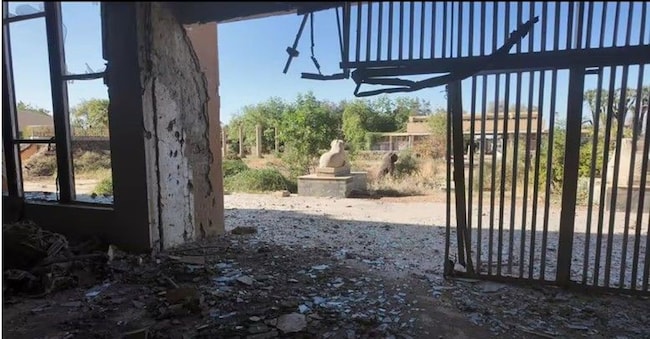
With the recent withdrawal of the Rapid Support Forces (RSF) from the centre of Khartoum at the end of March 2025, the destruction of the Sudanese cultural heritage preserved in the National Museum has become painfully evident: empty galleries, shattered showcases, and only the few colossal statues, such as the seven-tonne monument to King Taharqa, remain intact. The National Museum, inaugurated in 1971 in the capital of Sudan, a symbol of Sudanese identity and history spanning thousands of years, has been subject to widespread looting and destruction since last autumn due to the ongoing conflict between the Sudan Armed Forces (SAF) and the RSF.
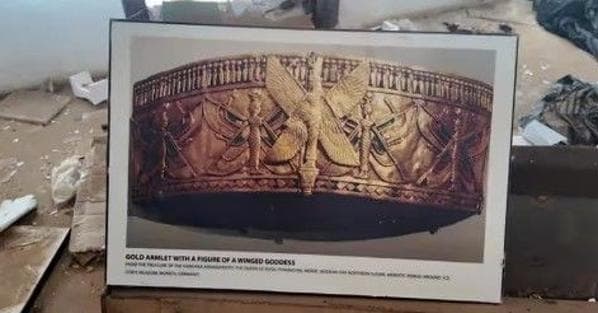
The museum, until recently, housed some 100,000 artefacts representing millennia of Sudanese culture (from the early Nubian kingdoms and the Kushite empire, to the Christian kingdoms of Alodia and Makuria, to the Islamic sultanates of Sennar and Darfur). Among its most valuable pieces were mummies dating back to 2500 BC, some of the oldest and most archaeologically significant in the world; Kushite royal treasures; rock paintings from ancient churches and temples moved during the International Campaign to Save the Monuments of Nubia, between 1960 and 1980. Little seems to have survived of these works today.
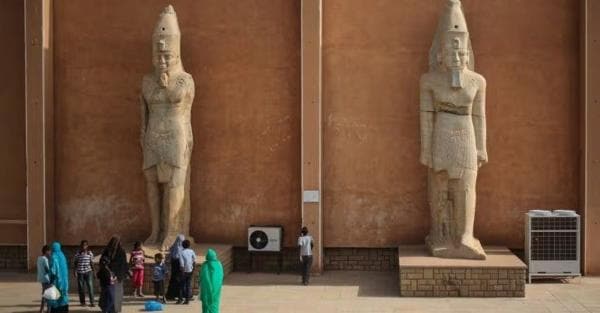
Systematic raid
.In 2024, the paramilitary organisation Rapid Support Forces (RSF) actively coordinated the looting of museum treasures, including ancient gold artefacts and priceless mummies. Although the RSF are responsible for the last phase of the looting of the museum, both factions, RSD and SAF, have been widely accused of violations of international humanitarian law. SAF counter-offensives have often employed indiscriminate bombing and air raids, destroying built heritage and endangering protected cultural sites. Sudan's National Corporation for Antiquities and Museums (NCAM) warned that several regional museums, including the Khalifa House Museum in Omdurman and archaeological storage facilities in Meroë, would be vulnerable to looting, both opportunistic and organised. The occupying forces destroyed at least eight mummies, while parts of the building suffered fire damage.
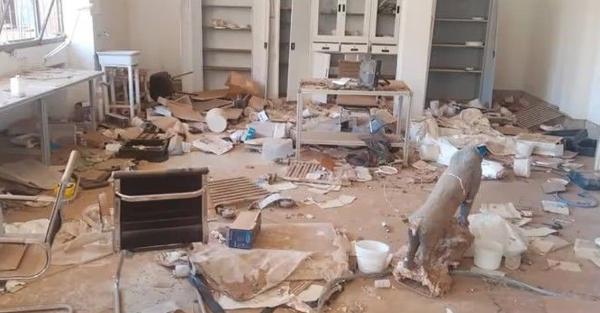
The sad confirmation
.A post-war inspection conducted by former curators, including Elnzeer Tirab Abaker Haroun of the Ethnographic Museum, confirmed that the National Museum was completely looted and destroyed. Looters even managed to break into safes used to store valuable works of gold and precious stones. This suggests that the looters were well organised or had time to familiarise themselves with the security systems and the layout of the collection. Satellite images from 2024 show truckloads of artefacts leaving the museum, heading for the southern borders of Sudan.
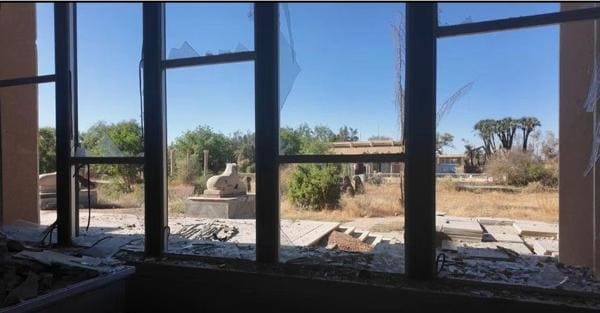
Sudanese intellectuals and citizens have expressed their deep sorrow at the destruction of the museum, framing the loss as a symbol of the wider devastation caused by the war. This destruction is more than a material loss: it is a deliberate blow to the identity and history of Sudan. Ekhlaas Abdel Latif, Director of Museums of the National Authority for Antiquities and Museums of Sudan, lamented: 'They have defaced our identity and history. They want to erase the history and demography of Sudan'. Sudanese intellectuals and citizens expressed deep sorrow over this tragedy. Prominent women's rights activist Hala Al-Karib, described witnessing the desecration of the museum as one of the most painful experiences of the conflict. Trade unionist Shahenda Suleiman said the museum's emptiness reflects the systematic destruction and displacement that Sudanese society has suffered since 2023.