Food

Unilever, talks to spin off food division and merge with McCormick

Deal with Kraft Heinz scuppered, multinational aims at a share swap with US spice group

Unilever, gruppo anlgo-olandese che possiede numerosi brand tra cui Knorr, tratta per fondere la divisione alimentare con l’americana McCormick

3' min read

Translated by AI
Versione italiana

3' min read

Translated by AI
Versione italiana

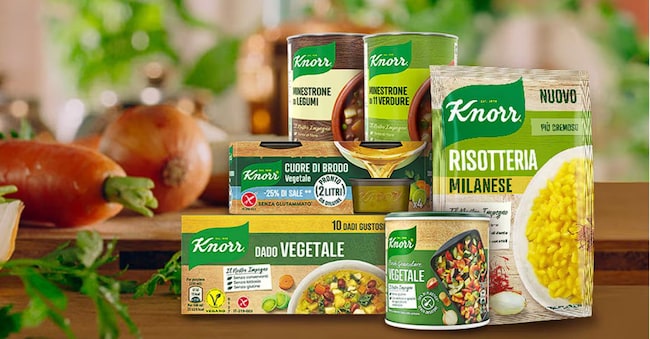
After a marriage with Kraft Heinz's sauce division, the food, household and cosmetics giant Unilever is accelerating negotiations to spin off its food division and merge it with the US-based McCormick & Company. The Anglo-Dutch consumer goods company confirmed that it had received an offer from the Maryland-based spice and condiment manufacturer, but said there was no certainty that a deal would be reached. Barclays estimates that Unilever's food division, which also includes brands such as Knorr's broths and condiments, has an asset value of between about €28 billion ($32.4 billion) and €31 billion. McCormick has a market value of about USD 14.8 billion. An all-stock deal, according to the Wall Street Journal, could materialise within a few weeks, provided 'negotiations do not fail', the sources detailed. The WSJ could not, however, ascertain the exact structure of the transaction.

This is a momentous change for the conglomerate, which intends to focus its energies on its beauty and personal care division. The sale would mark the end of Unilever's competition with food giants such as Kraft Heinz, Nestlé and PepsiCo and turn the multinational into a leading home and personal care company on a par with L'Oréal, Beiersdorf and Estée Lauder.

Loading...

Bloomberg had already reported earlier in the week on Unilever's willingness to proceed with a full or partial separation of its food business. Unilever shares rose as much as 1.9% in early trading. The stock has fallen about 5% over the past 12 months.

CEO Fernando Fernandez, who has been in office for one year, has made it clear that he sees beauty, personal care and wellness as the keys to future growth. His stated goal is to generate two-thirds of Unilever's revenues in the medium term from brands such as Dove soap, Liquid IV moisturising sachets and Dermalogica skin care products, up from about half of current revenues.

However, Unilever said that its food business is highly attractive, with a solid financial profile, and for this reason remains confident about its future as part of the group. The company's two strongest food brands are Hellmann's mayonnaise, which has dominant market shares in the US and Brazil, and Knorr bouillon cubes, its second best-selling brand, just behind Dove.

The multinational still owns a long list of local brands, including British hot mustard brand Colman's, French mayonnaise producer Amora, and Indian Kissan jams. Fernandez has already stated that the company has allocated between EUR 1 billion and EUR 1.5 billion in divestments of small food brands.

Over the past decade, Unilever has already sold other food assets, including its global spreads division, which included "I Can't Believe It's Not Butter!", and more recently the snack brand Graze and the vegetarian meat producer The Vegetarian Butcher. It spun off its ice cream business into Magnum Ice Cream, retaining a share of almost 20%, which it expects to sell in the coming years.

Major food companies such as Unilever and rival Nestlé are struggling to drive growth as cash-strapped consumers reduce spending and turn to cheaper store brands. The growing popularity of GLP-1 weight loss drugs also poses a threat as shoppers eat less in general or choose lower-calorie products.

Beauty, on the other hand, has been an important growth market for multinationals, as younger and older consumers spend on everything from multi-step skincare routines to fragrance collections.

McCormick, whose history dates back to 1889 as a seller of root beer in the US, has become a major seller of spices and condiments as Billy Bee, and in recent years has acquired local leaders in markets such as the UK and Poland. Its moves over the past 20 years have shown that the company wants to expand beyond spices to become a major seller in the condiment department, as spicy sauces and flavoured mayonnaises are big business, especially among younger consumers.

The most significant boost in condiments came in 2017, when McCormick bought Reckitt Benckiser Group's food division, RB Foods, for $4.2 billion, gaining the core brands of French's mustard and Frank's RedHot sauce.

About a decade ago, McCormick attempted to buy the British Premier Foods, owner of Mr Kipling and Bisto gravy, but the deal was rejected. Subsequently, Premier Foods formed a partnership with Japan's Nissin Foods.

Copyright reserved ©
Loading...

Brand connect

Loading...

Newsletter

Notizie e approfondimenti sugli avvenimenti politici, economici e finanziari.

Iscriviti