
From the Brexit referendum to the present day: six British prime ministers in ten years of political instability
The latest resignation paves the way for the seventh British Prime Minister in ten years. It all began with the Brexit referendum

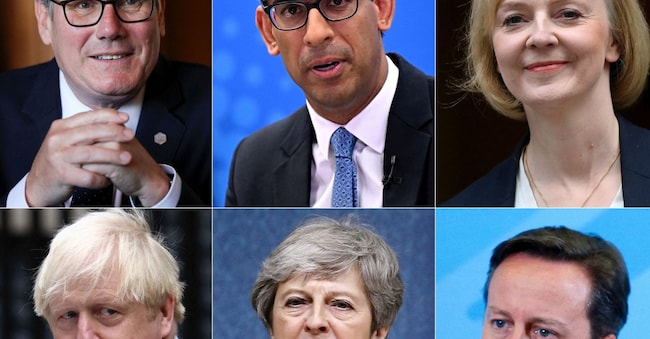
Sir Keir Starmer is the sixth British Prime Minister to resign from office in just under 10 years. Following the Brexit referendum, the then Prime Minister David Cameron resigned – it will be 10 years on Wednesday. Since the referendum, there have been six prime ministers: five Conservatives and one Labour MP (Starmer, the most recent to resign).
David Cameron (2010 – July 2016)
Total time in office after Brexit: around six years as Prime Minister, but she resigned immediately after the 2016 referendum. The ‘Leave’ victory in the referendum on membership of the European Union (52 per cent to 48 per cent) came as a political shock and prompted her to resign.
Theresa May (July 2016 – July 2019)
Term of office: approximately 3 years. She succeeded Cameron and was tasked with managing Brexit. In 2017, she called a snap election in an attempt to strengthen her position, but lost her parliamentary majority. She failed to secure approval for a Brexit deal and resigned in 2019.
Boris Johnson (July 2019 – September 2022)
Term of office: approximately 3 years and 2 months. She led the “Get Brexit Done” campaign and won the 2019 general election by a clear margin. She led the country out of the EU in January 2020. She resigned in 2022 following a series of political scandals and pressure from within her party.
Liz Truss (September 2022 – October 2022)
Term in office: 44 days. The shortest term in modern British history. Her ‘mini-budget’, featuring substantial tax cuts without any means of funding them, triggered market turmoil and a financial crisis. She was forced to resign after just over a month.

