Europe

UK bans disposable vapes, 'an environmental hazard'

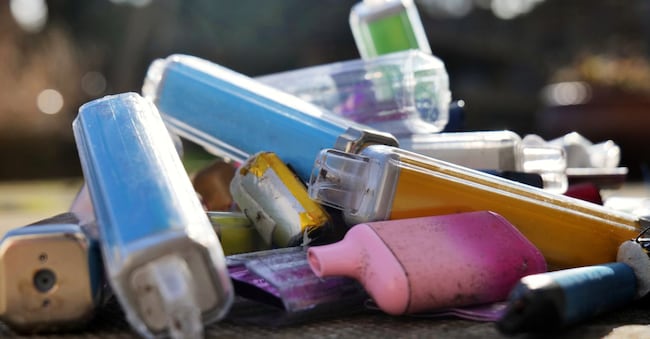
As of 1 June, it will no longer be possible to buy disposable electronic cigarettes in Great Britain. A ban that has environmental reasons: vaping thrown away as non-recyclable waste or littered on the ground, but there is also concern for the health of the young.
by Annalisa Godi

(AdobeStock)

2' min read

2' min read

Cigarette butts pollute seas, beaches, parks and more. Their disposable electronic cousins, however, are no different.

The UK government will ban their trade from 1 June, because of the environmental impact they produce: they are thrown in unsorted waste or littered on the ground and then disposed of incorrectly, in incinerators or in landfills.

Loading...

Moreover, it estimated that their use among the population grew by 400% between 2012 and 2023.

Even the very young are not shying away from e-cigarette use, Health Minister Andrew Gwynne commented: 'It is very worrying that a quarter of 11-15 year olds have used a vaping device in the past year, and we know that disposable products are the choice of most vapers today.

Is recycling possible?

.

According to a study by Material Focus (https://www.materialfocus.org.uk/?press-releases=big-puff-vapes-are-surging-onto-the-market-adding-to-the-vape-environmental-crisis), 8.2 million single-use e-cigarettes a week are thrown in the waste bin in the UK, 13 per second.

The materials they are made of would need proper treatment: 80% of the product can be recycled. The percentage of responsible consumers who recycle them at the end of use has increased to 20% this year, up from 8% in 2024. The problem does not only concern plastics but also the lithium batteries that power them. According to research, it would be possible to power 10,127 electric cars per year with the lithium contained in discarded e-cigarettes.

But according to the government, the procedure for recycling is lengthy and dismantling has to be done by hand, which is slower than the pace of industrial production. Another element is the hazardous nature of lithium batteries, whose flammability poses a risk to workers who dispose of this waste.

What happens now?

.

The trade in disposable electronic cigarettes will be banned (https://www.gov.uk/guidance/single-use-vapes-ban), both online and in shops, while it will still be possible to buy refillable vapes (both the battery and the e-liquid tank).

Owning disposable vapes after 1 June will not be illegal, but consumers are encouraged to return them to the seller, who will have to dispose of them properly.

The sale will be outlawed for those who sell or supply them. Traders may be subject to controls by various government agencies, such as the Border Force and Trading Standards.

How the law is enforced varies between the four nations of the UK, as do the penalties for those who break the law. They range from a stop notice, to a fine ranging from £200 in England to £5,000 in Northern Ireland, to a two-year prison sentence if the offence is committed again.

A universally required ban

.

Before the bill came to Parliament in October 2024, after the election of Labour's Keir Starmer in July, it was initially proposed by the Conservative Rishi Sunak's government in January of that year.

Research by University College London showed that e-cigarette users increased by almost 25% each year between January 2022 and January 2024.

Dr. Sarah Jackson, lead author of the research, states that this measure, however, will not lead people to stop vaping, but instead to buy refillable electronic cigarettes.

Proposed as a solution to stop smoking, the long-term effects of e-cigarettes on people's health are still unknown. This is why the UK government funded a 10-year study of 100,000 young people to monitor and collect data on their health, with the aim of understanding how e-cigarettes affect our bodies.

Brand connect

Loading...

Newsletter

Notizie e approfondimenti sugli avvenimenti politici, economici e finanziari.

Iscriviti